

Audio By Carbonatix
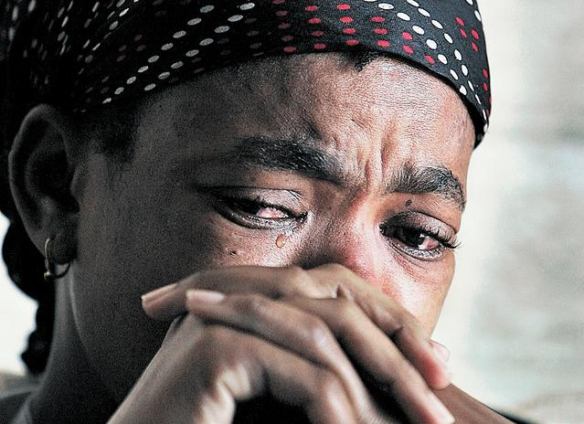
The coronavirus pandemic has wreaked havoc on the world, leaving a lot of loss in its wake.
“Not only is there incredible loss of life, but also loss of health, finances and special occasions, such as weddings and graduations ― among other significant losses,” said Rebecca Cowan, a core faculty member in Walden University’s Clinical Mental Health Counseling program.
And everyone at the moment is grieving to a certain degree, said Grief.com founder David Kessler.
“There is a collective grief we are feeling that the world we knew a month ago is gone forever,” he said. “People have been saying, ‘I don’t know what’s going on. I was crying when I woke up this morning,’ or ‘I am feeling so heavy and sad.’ And the reality is that feeling you’ve got is grief.”
Kessler stressed that while “grief on a good day is isolating,” people need extra support during this particular time of bereavement.
“Now, we’re actually told to physically isolate in our isolation. So, it is grief on top of grief and isolation on top of isolation,” he said. That’s why, he added, it’s important to provide support to a loved one who is hurting during this time.
Here are some ways you can be there for those who may need you right now:
Don’t minimize what someone is going through
Kessler said it’s human nature to say things like: “Oh, she can have another wedding,” or, “You can have a graduation party.” But the reality is that a couple’s wedding day as they envisioned and planned it is gone. A student’s graduation ceremony is gone.
Sure, a special event can be virtual-based or a party can be rescheduled. But at the end of the day, someone is still feeling a legitimate loss.
“To a 13-year-old, graduation from middle school is a big deal. To a bride-to-be who has been planning her wedding for a year, this is a big deal,” Kessler said.
Validate their feelings
In times of sorrow, people need to know that it’s OK to feel a certain way. “So an example of validating someone in this state would be to say: ‘It is so sad that you’re not getting to go to school and able to be with your friends. It is really sad that you had a huge project at work and now it’s been put on hold,’” Kessler said.
And after losing his own 21-year-old son, Kessler has learned that “grief is a no judgment, no comparing zone.”
“People will complain about what they’re feeling and then they will turn to me and sort of go, ‘Oh it’s not like yours,’” Kessler said. “Your middle school child who is missing her graduation gets to be upset and feel grief. Your daughter gets to grieve her wedding. The death of a loved one is horrendous but we still have a right to feel all these smaller griefs.”
Let them know whatever they are feeling is perfectly normal
“In general, feelings really defy logic,” said Tony Ortega, a psychologist and author of ”#AreYouHereYet: How to STFU And Show Up for Yourself.”
He said there are no right or wrong feelings, just actions we take based on those feelings that may or may not work for us. “The feelings we experience during the grieving process may be something so new to people, [so] normalizing the experience for them is an amazing first step,” he said.
Make an effort to reach out regularly
“Think of ways to continue to provide and receive support during this challenging time,” Cowan said.
Touching base could go a long way, even if you simply send a card, email or text. “Use technology to your advantage and arrange Skype or FaceTime calls with friends who are struggling,” she said.
Kessler is a fan of using video technology. “People in grief probably need more than a text when they’re checking in on you,” he said. “We need some face-to-face time.”
Amy DeGurian, a grief expert and a lecturer at the University of Pittsburgh School of Social Work, encouraged people to not let the lack of a physical funeral to attend thwart tending to someone going through a physical loss.
“Paying respects in the age of quarantine feels awkward ... and yet is it so very necessary,” she said. “Grievers do not need us any less, in fact, they need it more and it is paramount that they have support and a connection with others.”
Ask them what would help
“Don’t assume that what may have worked for you in your grieving process will work for everyone else,” Ortega said.
He suggested specifically asking the person you are assisting how they would like you to support them. And if they don’t know at that moment, make suggestions and ask if it would be helpful ― for example, offering to help them to plan a virtual funeral or arranging for meal delivery.
“Never impose what you know works for you on them. Always ask permission,” Ortega said.
Listen but don’t try to fix the situation
For someone who has recently gone through a loss, understand that “one of the best things you can do as a friend, family member or support person, is to hold space for them,” said Maureen Werrbach, owner of Urban Wellness Counseling in Chicago.
All too often, we offer quick fixes or minimize a person’s feelings because of our own discomfort in watching them grieve, she said. “But the best thing we can do is actually be a witness to their pain, acknowledge it and hold that space with them.”
Shelby Forsythia, author of “Permission to Grieve” and podcast host of ”Coming Back: Conversations on Life After Loss,” said that your first job is not to comfort someone but to listen to them. “Allow your grieving person to tell the story of what happened over and over again. It helps them make sense of the loss,” she said.
If you don’t know what to say, Forsythia said to try responding, “That makes so much sense that you’d feel that way,” “I’m here for you,” or, “I know I can’t possibly understand but I can be here.”
Host a virtual memorial, candle-lighting or storytelling event
“Gathering together, even virtually, to share stories, memories, drinks,and rituals is so powerful,” Forsythia said.
She recommended getting guests together on Skype or Zoom under a theme or some other idea that honors the loss ― especially if it’s for the death of a loved one.
“Did they love old Hollywood movies? Wear costumes! Did they appreciate a specific sports team or cause? Wear a specific color. Did they like going to church and drinking craft beer? Sing hymns and crack open a couple of cold ones,” she said.
This can be a great way to help a friend celebrate and honor someone they have lost, especially during a time where traditions like funerals and wakes are unavailable, Forsythia added.
Encourage them to get professional support
Offer to assist with finding a therapist who can help with dealing with loss, Cowan said.
“Many therapists are offering free or reduced-cost individual or group support sessions for those impacted by COVID-19,” the disease caused by the coronavirus, she said. “Compiling a list of these resources for your friend or loved one is an easy task that could make a tremendous impact.”
Kessler agreed, noting that he recently started a free online support group that people can participate in day and night.
This can be a good, productive way your loved one doesn’t isolate themselves. “Encourage them to identify all their support networks and to reach out,” said Heather Cosimini, an associate professor of psychology at Johnson & Wales University.
Help them with any planning or updating
Offer your assistance with any re-evaluating or organizational tasks.
For example, Kessler said this is a time to help a loved one who lost a job really focus on finding something new they’re passionate about.
“You can also offer your services to help them with a resumé, or, if you are in a financial position to do so, gift them sessions with a career coach,” Cosimini added.
Treat them to a little fun
Treat the grieving individual to something that will lift their spirits. Ali Briggs, CEO of memorial scrapbook company LifeWeb 360, suggested setting up a virtual wine or tea date or movie night.
“Use Netflix Party mode, or good old-fashioned hitting ‘play’ at the same time and video chat on your phone,” Briggs said.
You could also honor a passed loved one – or relieve fun times from the past – by looking at photos together. “Use a screen sharing tool like Google Hangouts or Zoom to look at photos together on Google or Apple Photos, someone’s computer,” Briggs added.
And Joy Symonds, owner and director of community engagement at Symonds-Madison Funeral Home, suggested “sending a care package with self-care items like a journal, adult coloring book, gift card for a local restaurant with delivery or special photo frame.”
Latest Stories
-
Asante Gold reports US$345million loss for 2025
49 minutes -
Gov’t making progress in clearing $1.7bn power debt – Mahama
2 hours -
Justice is the engine of growth – Chief Justice
2 hours -
Meet us halfway – Trade Minister tasks private sector with AfCFTA success
3 hours -
After more than 14 years at Atletico Madrid, what next for Simeone?
3 hours -
Conquering the World – Building on the foundations laid by Otto Addo
3 hours -
[Watch Live] Kwaw Kese, Kwami Eugene, Tinny, Keche and others thrill fans at Gomoa Easter Carnival
3 hours -
Gomoa Easter Carnival: Experts charge indigenes to own festival to ensure sustainability
5 hours -
Gomoa Easter Carnival: Edem Agbana and Joy Prime fans shower festival with huge endorsements
6 hours -
Gathering of Royals 2026: Empowering women, boosting tomato production
7 hours -
Gov’t to overhaul free zones into manufacturing hubs for local production – Trade Minister
7 hours -
Ghana losing $2.5bn yearly from raw exports – Trade Minister reveals
7 hours -
Mahama unveils plans for Kwahu Airport, Convention Centre
7 hours -
World’s oldest leader, Paul Biya to get a deputy for first time in 43-year rule
7 hours -
Search for missing US airman continues as Trump threatens ‘hell’ if Iran does not reach deal
7 hours