


Audio By Carbonatix
With their countries facing an Ebola epidemic of "unprecedented" proportions, the health ministers of 11 African nations have agreed to a joint strategy to try to stem its deadly advance.
As part of the plan, the World Health Organization will set up a "sub-regional control center" in Guinea -- one of the three West African nations at the heart of the outbreak -- to help coordinate the response.
The strategy was announced late Thursday at the end of a two-day summit in Ghana that brought together ministers from the Democratic Republic of the Congo, Gambia, Ghana, Guinea, Guinea-Bissau, Ivory Coast, Liberia, Mali, Senegal, Sierra Leone and Uganda with health experts, Ebola survivors and WHO representatives.
It also calls for better surveillance and reporting of cases, the mobilization of community and political leaders to improve awareness and understanding, and greater cross-border communication.
WHO has previously warned that "drastic action" is needed to halt the spread of the virus, which can kill up to 90% of those infected.
Addressing the closing session, Dr. Luis Gomes Sambo, WHO regional director for Africa, welcomed the move.
"It's time for concrete action to put an end to the suffering and deaths caused by Ebola virus disease and prevent its further spread," he said.
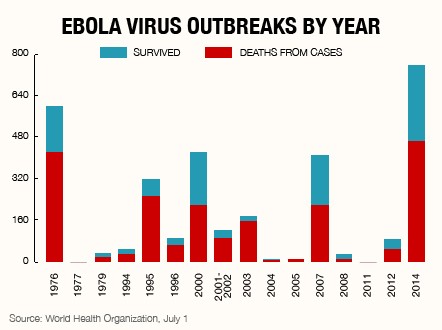
WHO reports there have been 759 cases, including 467 deaths, in Guinea, Sierra Leone and Liberia as of June 30.
 Enormous' impact
The impact of the outbreak, which began in March, "has been enormous in terms of loss of human lives and negative socioeconomic effects," Sambo said.
The disease's spread "is in great extent associated with some cultural practices and traditional beliefs" that run counter to preventive health measures, he said.
According to a WHO statement, such traditional practices foster "mistrust, apprehension and resistance" in local populations regarding health workers' efforts.
These include the hiding and treatment at home of Ebola victims, and funerals at which mourners touch the body of the deceased.
"These are very high-risk practices leading to extensive exposures to Ebola virus in the community," the statement said.
Sambo added, "The extensive movement of people within and across borders has facilitated rapid spread of the infection across and within the three countries."
Fighting Ebola in urban Africa
He also paid tribute to those on the front lines of the fight against the deadly disease, saying health workers have been "disproportionately affected," with more than 60 cases and 32 deaths reported among their ranks.
Latest Stories
-
Dr. Dre joins Forbes billionaires list as second-richest hip-hop artist with $1 billion fortune
42 minutes -
Trump administration cannot nix legal status of 5,000 Ethiopians, US judge rules
52 minutes -
Libya announces new oil and gas discoveries with three major energy companies
1 hour -
Oil rises as investors remain wary US-Iran ceasefire will open supply flow
1 hour -
Police arrest suspect over church threat video
3 hours -
Eight appear in court as police intensify crackdown on illicit drugs in Tamale
3 hours -
Motorist remanded in custody for hitting four-year-old girl
3 hours -
Mobile money vendor robbed at Ziope
4 hours -
Benin’s Finance Minister Wadagni seeks his own mandate in election
4 hours -
GNFS retrieves body of unidentified man from Asylum Down drain
4 hours -
CAF’s Motsepe to visit both Senegal and Morocco amid AFCON fallout
4 hours -
Edmond Boateng takes up secretary role at Honorary Consular Corps of Ghana
4 hours -
Armed men kill 20 and abduct others in northwestern Nigeria villages
4 hours -
Gambia appoints British barrister to prosecute gruesome Jammeh-era crimes
5 hours -
Girl group Flo on entering into their ‘bombastic, confident, strong’ era
5 hours