

Audio By Carbonatix
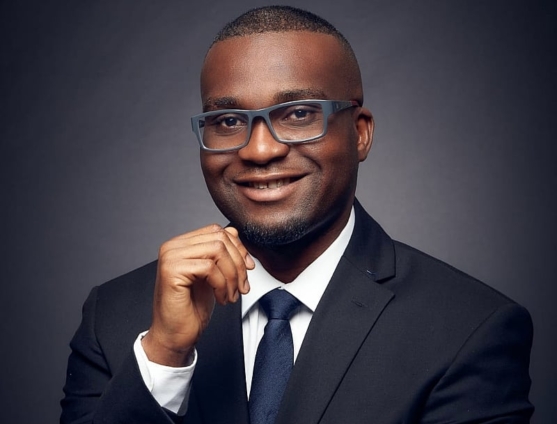
A US-based Assistant Professor of Economics, Dr Dennis Nsafoah, has described the 2026 Budget as falling short of the grand ambition it has been marketed to achieve — that of transforming the economy and delivering inclusive growth.
According to him, despite the remarkable improvement in the macroeconomic indicators, the 2026 targets show little new ambition.
“The macroeconomic data speak for themselves. Real GDP [Gross Domestic Product [GDP] growth for 2025 stood at 4.8%, exceeding the target. Inflation fell from 23.8% in 2024 to just 8.0% in 2025, and public debt declined sharply from 69.0% of GDP to 45%. These numbers confirm that Ghana has indeed ‘turned the corner’.”
“However, the 2026 targets show little new ambition. Growth, inflation, and fiscal balances are set at or below 2025 levels. The overall message is clear: the government intends to consolidate the gains rather than pursue expansion. That is understandable for a country emerging from crisis, but it also means 2026 will be a year of stability, not transformation”, Dr. Nsafoah, who is an Assistant Professor of Economics at Niagara University in New York, disclosed in his review of the 2026 Budget.
Transformation Deferred
Dr. Nsafoah who is also a member of the research committee of Tesah Capital remarked that economic transformation requires more than stability; “it demands a decisive reorientation of spending from consumption toward investment. On that front, the data reveal little change”.
He added that “capital expenditure in the 2026 Budget for the years 2025 and 2026 averages 2.6% of GDP, almost identical to the 2.5% recorded in the 2024 and 2025 budgets. Meanwhile, the wage bill remains elevated at about 5.7% of GDP, higher than both previous years. In simple terms, Ghana continues to spend twice as much on salaries as on development projects”.
This fiscal structure, he alluded may preserve stability, but it does not build a foundation for growth. “Productive investment—in infrastructure, technology, and skills—remains too small to drive job creation or diversify the economy”.
Inclusive Growth Still Out of Reach
He continued that the government’s third stated objective—strengthening the social sectors for inclusive growth—also appears unfulfilled.
Therefore, the education and health budgets record modest nominal increases, but both decline in real terms once inflation is considered relative to the 2025 Budget. “Social protection programmes such as LEAP, School Feeding, and the National Health Fund all see nominal cuts ranging from 2 to 17%, and real reductions of up to 25%.
According to him, these numbers suggest that while social programmes are being maintained, they are not expanding.
“The fiscal space gained through stability has not yet been translated into stronger safety nets or improved access to essential services”, he concluded.
Latest Stories
-
We can tackle multiple priorities – Sam George defends Anti-LGBTQ Bill push
26 minutes -
Statement: Ghana Chamber of Mines’ Response to Claims in Joe Jackson’s “Ananse Stories about the Economy of Ghana”
27 minutes -
GES opens 2026 teacher recruitment for licensed B.Ed graduates
29 minutes -
Ghana must value skilled trades, build resilient learners — Ibn Chambas
38 minutes -
Ghana must rethink education around relevance, resilience and responsibility — Ibn Chambas
40 minutes -
Prince Harry faces defamation lawsuit from charity he co-founded
42 minutes -
South Korea deploys thermal cameras to track escaped zoo wolf
44 minutes -
Calls for royal meeting with Epstein survivors grow ahead of US visit
47 minutes -
Ibn Chambas advocates blend of technology and human values in education
49 minutes -
UMA improves healthcare access in Asutifi North with GH₵700k ‘Kim Taylor Legacy’ Walkway
54 minutes -
Scholarships Authority and Fanaka University offer sponsorship for procurement and supply chain studies
57 minutes -
Bisa Kdei drops new single ‘Go N Look’ featuring Medikal
1 hour -
Benin facing rising terrorism in north as French military presence faces growing criticism
1 hour -
UEW Public Lecture Series 2026: Education debate ‘about the soul of Ghana’s future’ — Dr Ibn Chambas
1 hour -
EU fingerprint and photo travel rules come into force from today
2 hours