

Audio By Carbonatix
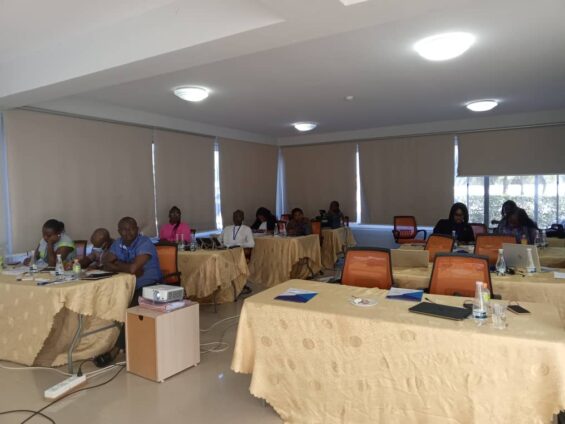
A three-day journalism fellowship has kicked off in Accra, empowering journalists to effectively utilise mass and social media to advocate for enhanced financing of epidemic preparedness through improved reporting on public health emergency financing.
The fellowship seeks to enhance public understanding of public health emergency financing through accurate and in-depth media reporting in Ghana.
The fellowship organized by SEND Ghana with funding from the Global Health Advocacy Incubator (GHAI) seeks to equip 12 selected journalists to advocate better financing for epidemic preparedness and response and raise public awareness.
SEND Ghana's Country Director, Harriet Nuamah Agyemang emphasizes the importance of empowering journalists through capacity-building initiatives, recognizing their pivotal role in shaping policies and driving positive change.
By bringing journalists together, SEND Ghana aims to sensitize them to critical issues and enhance their skills, ultimately leveraging their influence to inform and transform policy decisions.
Experts say journalists can effectively promote national interests and support development when guided by objectivity, accuracy, and neutrality.
CHAI's In-Country Coordinator, Stephen Atasige, states the significance of the fellowship, stating that journalists play a vital role in shaping the narrative through their storytelling and article writing
“Journalists keep the momentum. We can’t continue to do business as usual we need to be deliberate,” he said.
Public health emergency financing refers to the financial resources and systems dedicated to preparing for, responding to, and recovering from public health crises, such as infectious disease outbreaks, natural disasters like floods, droughts, biomedical threats among others.
Key aspects of public health emergency financing in Ghana include funding sources, resource allocation, health infrastructure, surveillance and detection, community engagement, research and development.
To address these challenges, Ghana needs sustainable, transparent, and equitable public health emergency financing mechanisms.
Medical practitioner, Dr. Konadu Asiedu says health financing goes beyond infrastructure or workforce. To ensure sustainable healthcare financing, he said, Ghana should aim to meet the Abuja Declaration target of allocating 15% of its annual budget to the health sector.
“This could reduce reliance on donor funding and enhance service delivery.”
Latest Stories
-
Scores sleep overnight at Accra Sports Stadium more than 18 hrs ahead of Alpha Hour Convocation
45 minutes -
When revenue collection hurts business
1 hour -
Creative Canvas 2025: Shatta Wale – Disruption as a strategy, dominance as the result
2 hours -
Is talk of “losses” by GoldBod just abstract drivel? Bright Simons asks
3 hours -
US Strikes: Ondo Amotekun arrests 39 fleeing suspected terrorists
3 hours -
New Passport Office opens in Techiman, bringing vital services closer to Bono East residents
4 hours -
Anthony Hopkins shares advice as he celebrates 50 years of sobriety
4 hours -
KTU Radio wins international award for its unique programme on World College Radio Day
4 hours -
German court jails man for drugging, raping and filming wife for years
4 hours -
Ashanti police intercept 2,600 AK-47 rounds and tactical gear at Asankare Barrier
4 hours -
Alhaji Agongo builds lifeline facility for Ghana Police Hospital’s ‘Unknown Patients’
4 hours -
Removal of Chief Justice Torkonoo had economic implications – Samson Lardy Anyenini
5 hours -
Ronaldo will not retire until he scores 1,000 goals
5 hours -
Amerado shuts down Okese Park with third edition of My Motherland Concert in Ejisu
5 hours -
Mahama visits Kufuor at Peduase to extend Christmas and New Year wishes
5 hours