

Audio By Carbonatix
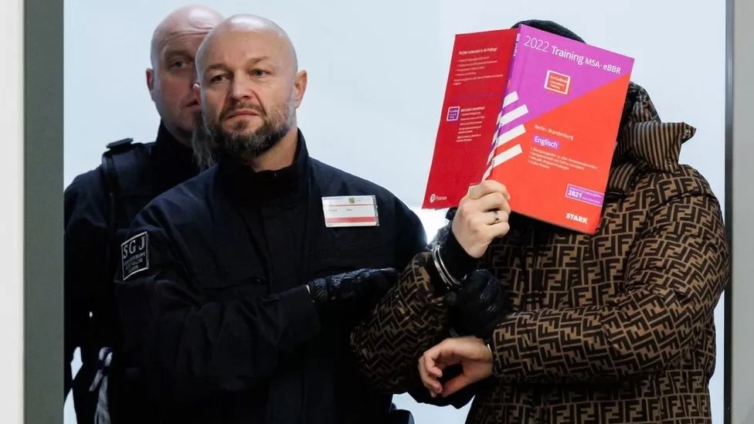
Five men have been found guilty of an audacious jewel heist in the German city of Dresden.
The thieves stole precious items worth €113m (£98m) from the city's state museum in 2019.
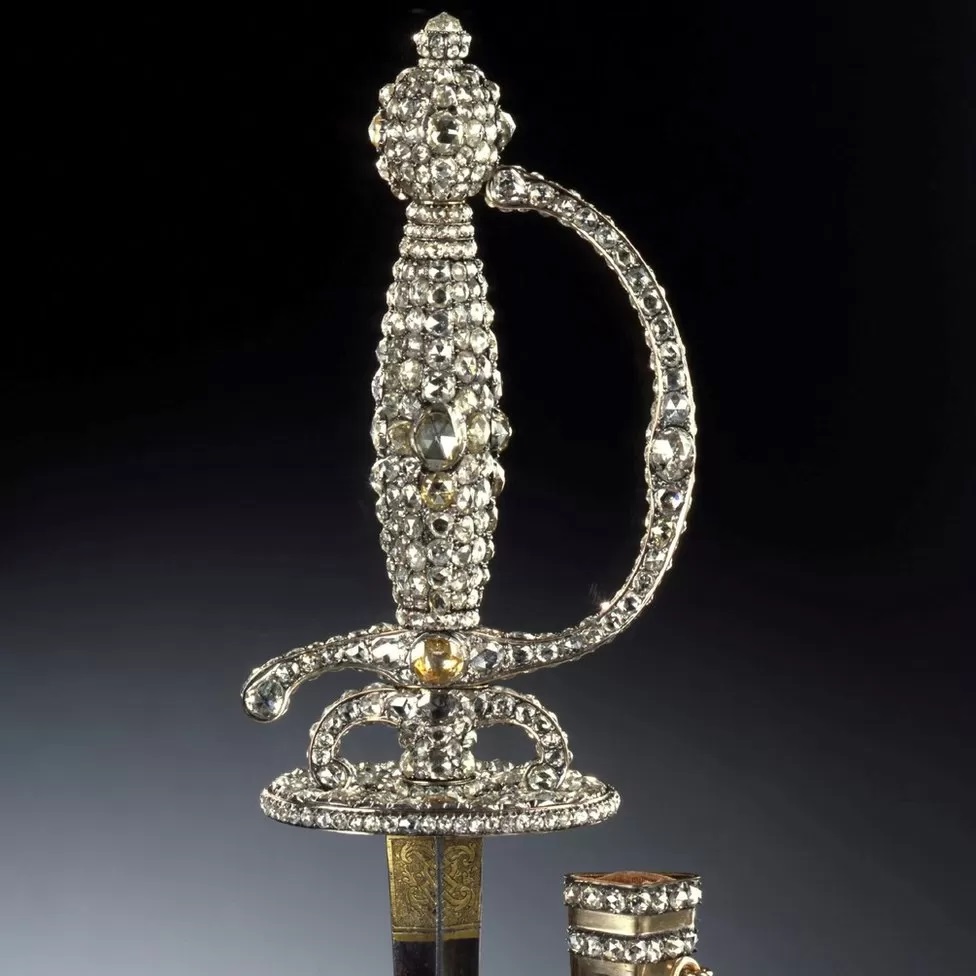
Police recovered many of the jewels, including a diamond-encrusted sword, but it's feared the rest of the looted treasure may never be found.
The men, all members of a notorious criminal family network, face sentences of four to six years.
This was a meticulously planned heist. The gang, who lived in Berlin, visited the site several times and prepared their entry point in advance, using a hydraulic cutting machine to saw through the bars of a protective window covering before taping them back into place.
Then, in the early hours of the morning of 25 November 2019, they set fire to a circuit breaker panel near the museum, plunging the surrounding streets into darkness while two of the men slipped inside.
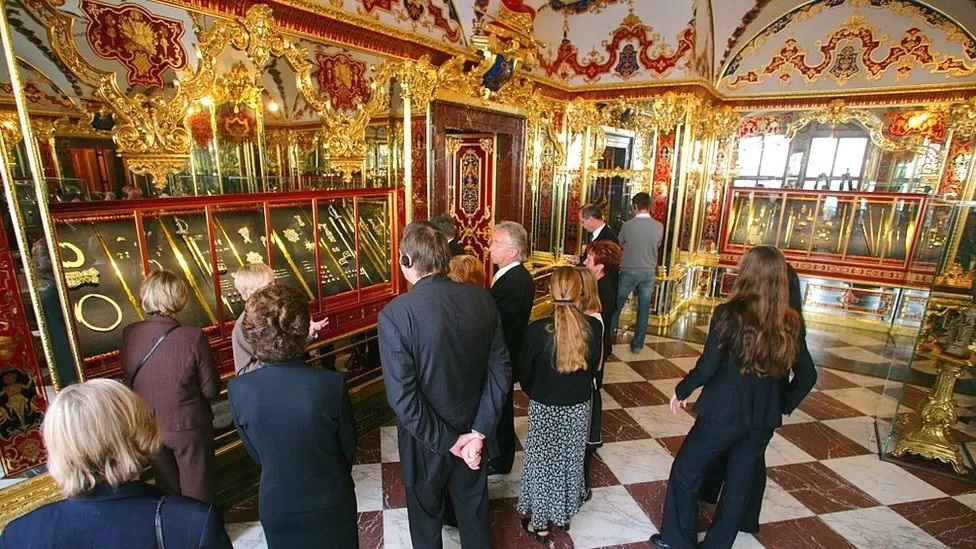
CCTV footage captured the thieves wearing masks and wielding axes as they entered the sumptuously decorated Gruenes Gewoelbe - or Green Vault - and smashed the glass display cases to get to the treasure.
The thieves then sprayed a foam fire extinguisher over the room to cover their tracks before making their getaway in an Audi which they then dumped in a car park, setting fire to the vehicle before they fled back to Berlin.
After a year-long investigation, police made their first arrests. All of those convicted today are members of the so called "Remmo clan". There are several "clans" in Germany; family networks with Arab roots responsible for major organised crime, including in recent years a raid on a department store and a bank robbery.
One of the Dresden thieves was previously convicted of the theft of a giant gold coin, which weighed 100kg (220lbs), from Berlin's Bode museum in 2017. The coin was never recovered and is believed to have been broken up or melted down.
"There are people who steal artworks out of passion for art, but this was really the opposite," says Marion Ackermann, general director of Dresden's State Art Collections. "They had no idea of what they had taken."

Initially there were fears that, like the golden coin, the treasure was lost forever.
But many of the stolen items were returned to the museum after three of the men confessed to the theft and agreed to divulge the location of the loot in return for lighter sentences as part of a deal with prosecutors.
Nevertheless, several pieces are still missing, including a very rare diamond called the White Stone of Saxony.
The items were part of a treasure trove collected in the 18th Century by Augustus the Strong, the Elector of Saxony. He not only amassed pieces covered in diamonds and precious stones but designed the Green Vault in which to display them.
Professor Ackermann says that the loss of part of the collection was particularly painful because Augustus' concept then, as now, was that a visitor should see the whole ensemble together and be overwhelmed by the variety of colours and stones.
The audacity of the heist shocked the art world. But the break-in also raised questions about the adequacy of the museum's security measures.
Even one of the thieves expressed surprise during the trial that they'd been able to saw through window bars apparently without detection, despite the noise generated by their cutting equipment.
Professor Ackermann, who emphasised that responsibility for the security concept at the museum was shared between Dresden's State Art Collection and another regional body, insisted that the security system was one of the best in Germany.
But, she added, "many aspects come together in a security system. The building, the organisation, and also technical aspects. And, like in a chain, every aspect must work and, in this case, many things didn't work."
She says that a system designed to scan the outer walls of the museum had failed, and that guards sitting in the central security room, who saw events unfold on their monitors, were slow to call the police.
Police opened an investigation into four security guards at the museum on suspicion that they had helped with preparations and reacted too slowly to the break in itself, but officers ended those enquiries last year.
Today the security system has been overhauled and museum staff have turned their attention to the restoration of the jewels.
Experts are optimistic that Augustus' treasure can be brought back to its former glory and, eventually, go back on public display.
But curators are resigned to the loss of the rest of the trove, and accept that it's unlikely the collection will ever be whole again.
Latest Stories
-
Netherlands Fire Chief in Ghana to support fire safety reforms and market fire prevention efforts
35 seconds -
Gov’t cuts fuel taxes, deploys buses to curb impact of rising fuel prices
32 minutes -
Interior Minister calls for intelligence-driven strategy as Ghana strengthens counter-terrorism efforts
32 minutes -
Adenta Circuit Court remands Pastor William Gyimah over viral threats against Vice President
1 hour -
“We’ve implemented changes to prevent a repeat of the AFCON final” – CAF President Motsepe
1 hour -
Gov’t orders deployment of Metro Mass buses to cushion commuters amid fuel price hike
2 hours -
Key Indian state polls begin in test for Modi’s party
2 hours -
Playback: Gomoa Easter Carnival in photos
3 hours -
Gov’t orders removal of fuel taxes to ease pump price hikes
3 hours -
“Whatever the decision of CAS, we will respect it” – CAF President Motsepe after AFCON final meetings in Morocco
3 hours -
Emma Ankrah: When waiting becomes part of treatment – Reflections on hospital care
3 hours -
Ghana urges travellers to prepare for new EU border system roll-out
3 hours -
Mahama enforces fuel coupon ban for ministers as cabinet moves to slash fuel taxes
3 hours -
Task force probes strange fish deaths in Tema
3 hours -
Neglected traffic lights turn Awoshie–Anyaa highway into deadly hotspot
4 hours