


Audio By Carbonatix
A law professor at the University of Ghana has said that the laws which aim to protect children against sexual abuse are a source of the problem in delivering justice because they operate with a cultural background.
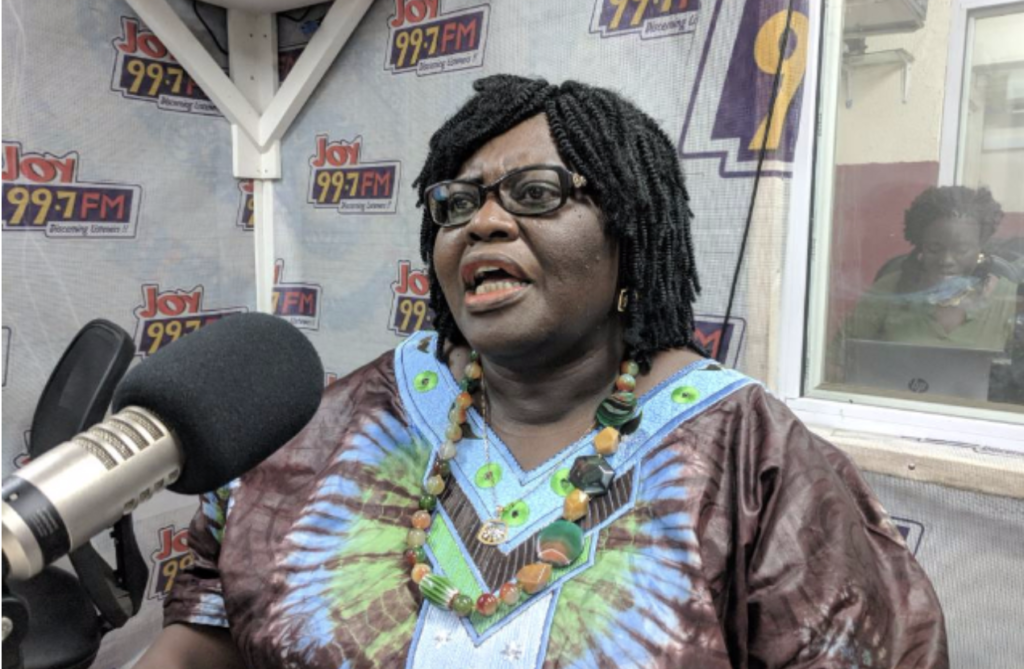
Professor Henrietta Mensa-Bonsu told JoyNews that despite the existence of laws governing cases on sexual abuse, people are most likely to not pursue a case because of their individual cultural customs.
"We have laws, if we used all the laws we had, perhaps our story would be different. We do have laws but the laws have to operate against a cultural background and sometimes that is where the problem is.
"Do people want to report abuse? No. If anything they want to make a little something of a situation. Do people think abuse is horrendous? No. Otherwise, what you told us wouldn’t happen," the law professor said.
She added that people do not understand that sexual predators are repeat offenders and are one of the groups of criminals that never reform.
“We need to understand that sexual abuse is a serious matter. I think the problem is we don’t put enough value on the harm that sexual abuse causes. We think it is a problem we can wash away.
"In other places, they have recognised it and they even have a list of predators so that when you move to a new area, all the parents in the area know that they have a predator," Prof. Mensa-Bonsu said.
However, stating that the case is different in Ghana, she said child abuse victims are left to deal with trauma after the system has failed them.
"What do we do? (In Ghana) We just have to call up on the person to make good laws since the victim has to live with trauma all her life.
"I think we don't realise that these things don’t blow over and that these are the viscous of viscous kinds and that they are as important as armed robbery.
"If we put that kind of value on child abuse, we would find that people were reacting," the law professor said.
She further explained that the cost of following a child abuse case when reported through to the courts is a burden on families who do end up reporting them to authorities.
"Does the system make it possible to follow through with these things without paying the earth? No. Do the children get medical care, for free? No.
"When they have the abused, they want a police report. The police want a medical report and it’s not going to be given to you for free.
"Even if the person has sustained an injury, there’s aftercare, there's medication, the family can't afford all of that and they are happy to take a little something in hopes the thing will blow over," she said.
She also added that the state does not provide alternative homes for children who have been given back to abusive guardians by authorities responsible for these matters, such as the Domestic Violence and Victim Support Unit of the Ghana Police Service, is also a part of the problem.
Latest Stories
-
GoldBod recovers GH¢38.7m of GH¢55.8m outstanding receivables; remainder subject to legal action – Sammy Gyamfi
5 minutes -
GEXIM Bank donates GH¢200,000 worth of medical equipment to Korle-Bu Child Health Department
8 minutes -
Majority rejects Minority’s claims over GH¢49.7m South Africa evacuation, calls for forensic probe
10 minutes -
GEXIM urges banks to support refurbishment of Korle-Bu Teaching Hospital’s Child Health Department
13 minutes -
Don’t appoint your cheerleader as referee
17 minutes -
Ghana needs stronger international cooperation to fight cybercrime – CSA
20 minutes -
CSA warns of growing cyber threats as Ghana’s digital dependence increases
26 minutes -
USTED dean warns GAUA strike could disrupt Ghana’s restored academic calendar
39 minutes -
Bechem meat processing factory 50% complete, set for March 2027 completion – Kwakye Ofosu
52 minutes -
NDC can appoint whoever they want to EC, but Ghanaians will make a decision in 2028 – Titus Glover
58 minutes -
GoldBod initiative has created over 1,300 public and private sector jobs – Sammy Gyamfi
1 hour -
Financial wellness key to retaining Ghana’s skilled workforce – Merban Capital CEO, Benjamin Ackah-Nyamike
1 hour -
Sidney Nii Oko Bampoe & Isaac Akuetteh Addo
1 hour -
Haruna Iddrisu calls for ‘Big Push’ investment in health, education, sports and agriculture
1 hour -
Ghanaian youngster Prince Amoako Jnr reaches new milestone with FC Nordsjælland
1 hour