

Audio By Carbonatix
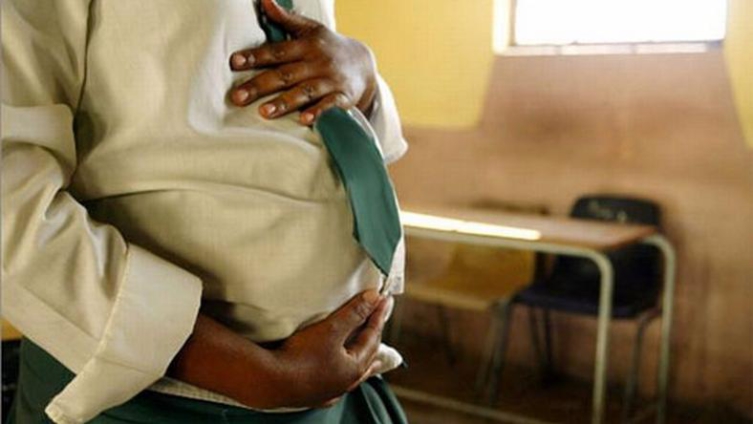
Researchers have found 67.1 per cent prevalence of anemia in pregnant women in Ghana, mostly, without formal education.
A study by Dr. Kobina Kwegyir-Aggrey and Dr. Emmanuel Appiah-Brempong of the Kwame Nkrumah University of Science and Technology (KNUST) suggests the rate is above the 42 per cent national average.
The Medical and Public Health Schools of the University jointly undertook the research.
A 2014 study by the United States Agency for International Development (USAID) showed an overall anemia prevalence of 66 percent in children from 6 months to 5 years.
The rate was 42 per cent among women of reproductive age.
Between 2008 and 2014, the Ghana Health Service established a slight drop in the prevalence rate for both groups.
The decline in children, however, benefitted the less vulnerable, mostly, from high income and formally educated mothers of up to second-cycle level.
The drop in women was found across moderately wealthy urban and rural dwellers.
Malaria and anaemia
Endemic malaria is largely responsible for anemia in Ghana.
In pregnant women, there is the risk of a negative impact on the health and wellbeing of both mother and unborn child.
The socio-economic implication on individuals, families and society is enormous.
The latest study also assessed knowledge and practices of pregnant women attending antenatal-clinics at the La Dade Kotopon Municipality.
Sixty percent of women were found to have adequate knowledge on the condition.
170 persons interviewed for the study were also assessed on causes, risk factors, clinical features, complications and treatment.
The research again found anemia common among the unmarried women in their last three months of pregnancy.
Women from 15 to 24 years, those with once or twice gotten pregnant and those with inter-pregnancy intervals of three or more years were also implicated.
The study again found 58 per cent, representing more than half of women diagnosed with malaria, were anemic.
Role of diet
The researchers were happy the majority of the respondents followed dietary modification advice.
They were surprised less than half of them visited the clinic, for the first time, after the first three months of pregnancy. Less than half of them use mosquito nets.
“This hinders early institutions of measures to prevent anemia,” they noted.
Investigators recommend concerted efforts to improve the knowledge of pregnant women about anemia and increase compliance to preventive measures.
“Individuals need to take advantage of available interventions and visit antenatal clinics early,” they said.
Latest Stories
-
Customs revenue jumps to 450 million dollars monthly since AI introduction
6 minutes -
There is policy divergence at Education Ministry – NPP Education Committee spokesperson
12 minutes -
Police recover AK-47, 186 rounds of ammunition after gunfight in Accra
19 minutes -
Three classrooms, two teachers, one community: The struggles of Bresuano MA basic school
23 minutes -
Proposed Chinese, Arabic languages: We cannot run our education on contradictions – Dr Kwabena Tandoh
26 minutes -
Takoradi–Agona Nkwanta road to open to traffic by November – Contractor
27 minutes -
2027 AFCONQ: Amad, Adingra set to miss Ghana clash
27 minutes -
Fuel prices will continue to surge – COPEC
31 minutes -
Minority boycott forces postponement of Ablakwa’s Foreign Affairs Committee briefing
34 minutes -
Ghana risks losing international intelligence-sharing support over alleged security leaks — Muntaka
36 minutes -
GRA, Eban Capital and ASSI hold national stakeholder workshop on Modified Taxation Scheme
43 minutes -
Crown of Glory Schools Director calls for upgrade of Category B and C schools to attract students
45 minutes -
Opare Addo explores Ghana-UAE partnership to advance youth development
51 minutes -
1 Constituency, 1 Astroturf Project: Corruption Watch uncovers alleged procurement breaches
1 hour -
UDS defend African University Football title in Cairo
1 hour