

Audio By Carbonatix
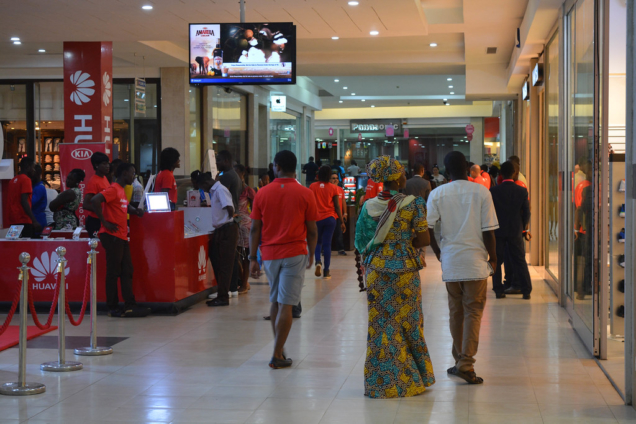
About 95% of Ghanaians are still shopping in the traditional open markets despite the surge in shopping malls and supermarkets, particularly in Accra.
Nevertheless, according to accounting and auditing firm, Deloitte, which was captured in the Consumer Insight Report by Standard Bank of South Africa, modern shopping centres are beginning to gain traction.
The survey emphasized that though Ghana has witnessed the existence of more than 50 shopping malls including that of Melcom, majority of Ghanaians prefer shopping in the traditional main markets because of cost and accessibility.
It explained further that although shopping malls offer a more convenient and comfortable shopping experience, it has been difficult for retailers to attract shoppers as these large malls are often associated with ‘expensive products’.
They are also perceived to cater for only the affluent.
“Although shopping malls offer a more convenient and comfortable shopping experience, it has been difficult for retailers to attract shoppers as these large malls are often associated with ‘expensive products’ and are perceived to cater to only the affluent”.
Furthermore, it said some consumers argued retailers and mall developers have overestimated the size and perhaps even near-term potential of the modern retail market in Ghana.
The report also expressed concerns about the retail market or shopping malls in Accra which was close to reaching saturation point. It therefore expects retail development to likely focus on second-tier cities such as Kumasi and Takoradi.
It identified that consumer purchasing behaviour is still mainly driven by the three Cs - Culture, Cost and Convenience- adding, the time taken to understand these drivers will prove more beneficial to the current and potential investors.
It further said Ghana remains dependent on small- to medium-sized multi-brand importers that often rely on shipments from third party countries, which increases unit prices.
Unsurprisingly, majority of the population still stick to indigenous cuisine and the ingredients used to prepare it ranges from rice, yam, plantain and maize.
Latest Stories
-
GAEC must retain nuclear scientists for Ghana’s nuclear ambitions – Minister
12 minutes -
Man reportedly mistaken for game and shot by hunter dead in forest
14 minutes -
19-year-old mason jailed 15 years for defiling seven-year-old pupil
19 minutes -
Ghana’s banking sector assets rise 20.47% to GH¢500.2bn – BoG Governor
23 minutes -
22 injured as Sprinter bus overturns at Sege after tyre burst
24 minutes -
UN housing expert urges Ghana to strengthen Rent Control Department amid housing affordability concerns
33 minutes -
Delta-BCI partnership reaches 166,000 people with breast cancer education
42 minutes -
Power restoration fault suspected in Kumasi Central Market fire
6 hours -
The 7-foot giant of Ngleshie Amanfro: Seven-foot Ghanaian Ephraim Saawa dreams of joining the national basketball team
7 hours -
Government promises support for Kumasi Central Market fire victims
7 hours -
Vibes The Movie: Big Ghun’s Ghanaian film earns five nominations at 2026 REFFA
7 hours -
‘I’m a fulfilled man’—Justice Korbieh on missing out on Supreme Court despite two nominations
7 hours -
MamaCare CEO warns unresolved conflicts among health workers could undermine maternal and neonatal care
8 hours -
Health professionals urged to translate medical knowledge into practice to save mothers
8 hours -
Retired judge Justice Francis Korbieh charges 1,568 new lawyers to uphold integrity
9 hours