

Audio By Carbonatix
Ports and shipping are vital for a well-functioning global economy. According to the World Bank, in 2019, trade represented more than 60 percent of the global gross domestic product (GDP).
Data from The International Chamber of Shipping reveals that shipping plays by far the largest part in this, facilitating roughly 90 percent of the world’s trading. The ports of the world literally keep its goods flowing.
The comprehensive report, Connected Ports: A guide to making ports smarter with private cellular technology, outlines how challenges of equipment downtime, congested port yards for loading and unloading, worker safety, and environmental impact could be resolved with private cellular networks.
5G-ready private cellular networks provide fast, reliable, and secure connectivity required by a smart port’s network infrastructure to handle the large amounts of data generated by cranes, vehicles, equipment, and workers.
In the maritime report findings, Ericsson collaborated with leading sensor technology provider, ifm electronic, as well as researchers from management consultancy Arthur D. Little, to examine and quantify five use cases with the most beneficial applications for smart port technologies:
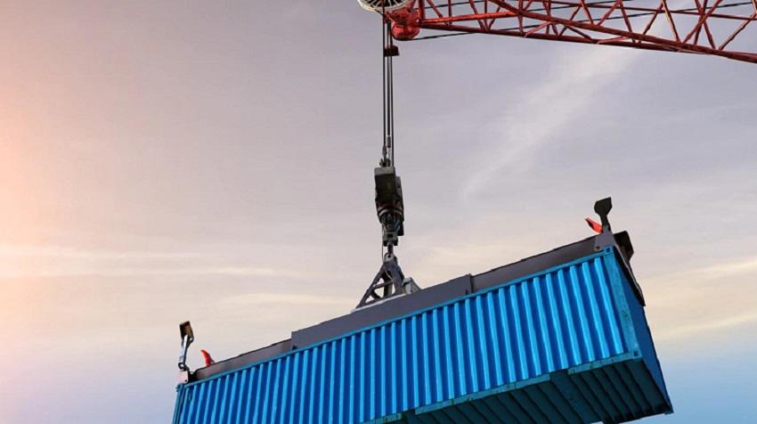
- Remote-controlled ship-to-shore cranes load and unload container ships, moving containers between the ship and the dock with precision and maneuverability.
- Automated rubber tired gantry cranes stack containers at terminals, crucial for when high-capacity stacking and good maneuverability are needed.
- Automated guided vehicles(AGVs) navigate through the port using smart 3D sensors, handling all port materials, reducing energy costs and risk of accidents.
- Condition monitoring detects faults before they occur, reducing unplanned downtime and maximizing asset productivity.
- Drones deliver documents from ship to shore, reducing costs and environmental impact of crewed boats while also conducting security surveillance of ports.
The report projects that if all of the five use cases are deployed together, complete payback can be achieved in less than two years. By year five, the report projects that the ROI would be 178 percent for our standard baseline port.
One port that is already deploying these types of smart technologies is Italy’s Port of Livorno – for example, by leveraging 5G technologies to enhance the exchange of real-time information among actors in the port’s terminal process.
These applications have the potential to reduce CO2 emissions by 8.2 percent for one terminal operation.
Latest Stories
-
Richard Dogbe declares bid for NDC Greater Accra Deputy Youth Organiser
4 minutes -
M.anifest questions toxic fan culture amid fresh music industry tensions
5 minutes -
469 farmers paid compensation as Accra-Kumasi Expressway clearance progresses
7 minutes -
Malaysian boy acquitted for murder of schoolgirl on grounds of insanity
15 minutes -
Arabic, Chinese teaching debate should end after Mahama’s clarification – Asah-Asante
16 minutes -
Ashanti Regional Minister halts 24-Hour Market project in Mankranso over school demolition concerns
18 minutes -
The Forgotten “Little Children”
26 minutes -
Zambians warned not to eat dead wildlife after anthrax kills dozens of animals
28 minutes -
AG urges GBA to remain the conscience of Ghanaian society
40 minutes -
24-Hour Economy: Minority questions demolition of schools, markets and other public assets
43 minutes -
China criticises idea it is in ‘malicious competition’ over AI
45 minutes -
Russia hits Ukrainian train shortly after Boris Johnson and top European officials leave station
45 minutes -
Sista Afia reveals fears about becoming a single mother
48 minutes -
Gov’t 24-Hour Economy markets programme is an afterthought – Minority
49 minutes -
Minority wants traders, residents heard before 24-Hour Market projects
50 minutes