

Audio By Carbonatix
The University of Education Winneba (UEW) is collaborating with the Ghana National Council for Private Schools (GNACOPS), to run purpose-made degree programmes, to upscale the qualification of some 200,000 untrained private school teachers across the country to professional degree holders.
The University, based on the segregated data from GNACOPS and the unique circumstances of private school teachers has designed for implementation, an intensive three-semester teacher education programme leading to the award of a diploma and a one-year top-up for the award of a degree, both to be run in the hybrid mode.
The programme has two pathways, those who have not had any programme at all and if had qualified into the Colleges of Education would have done four years; and those who have degrees but are not professionals to do a postgraduate diploma in education.
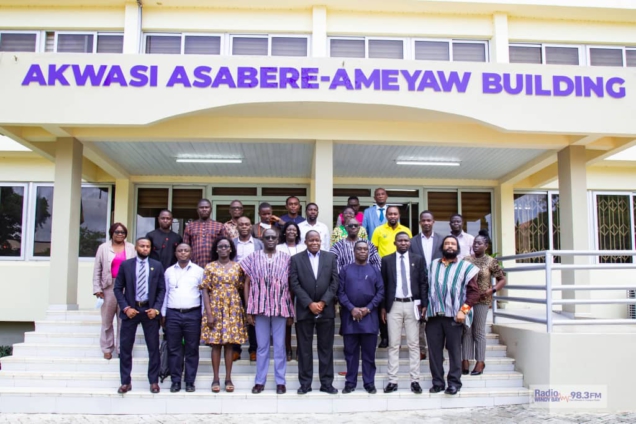
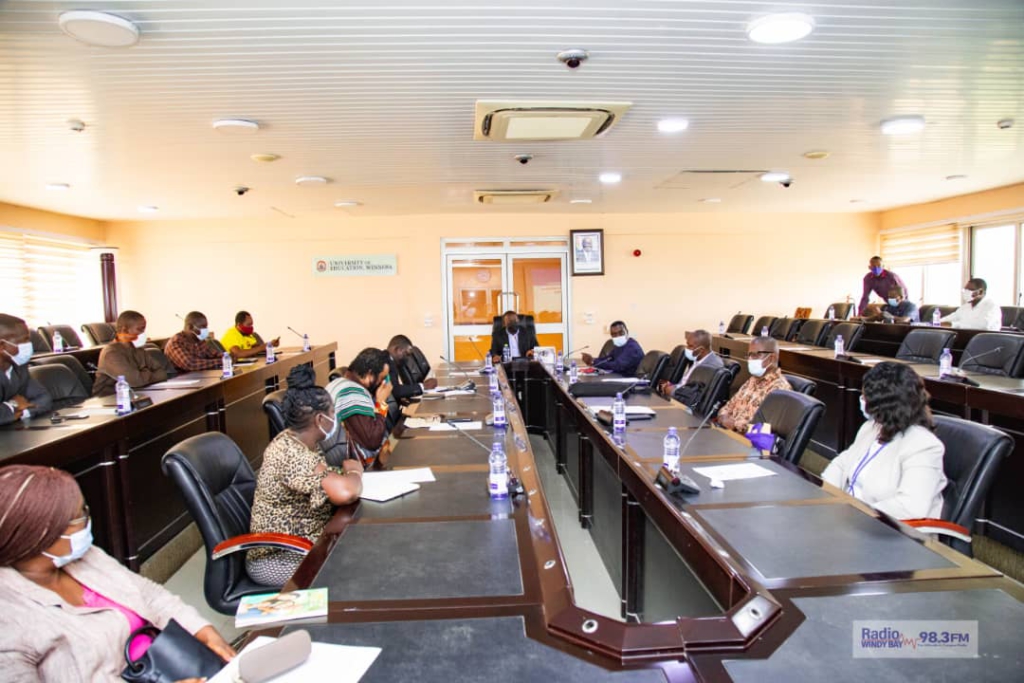
This was disclosed at a meeting of the University Management with a high-powered delegation from GNACOPS to finalise details of the agreement at the University’s Council Chamber.
The initiative is part of efforts to ensure that the Teacher Professionalism Policy being implemented by the Ministry of Education (MoE), through the National Teaching Council (NTC), is stringently adhered to by the private schools in the country. At the same time, it will protect the jobs of the teeming untrained teachers in private school space.
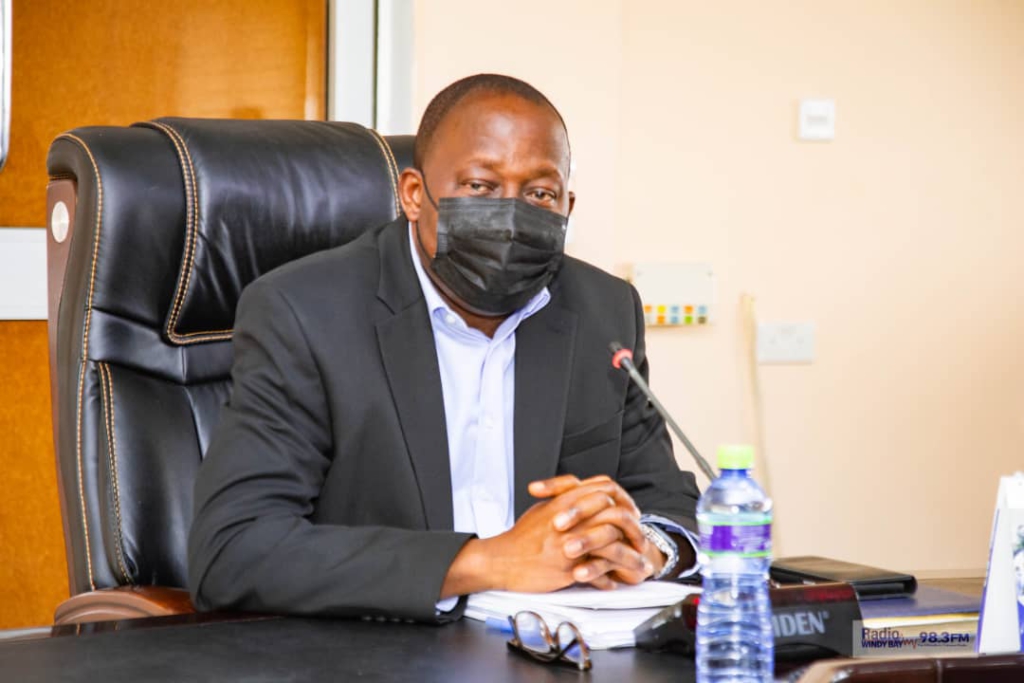
Addressing the meeting, the Vice-Chancellor of the University of Education, Winneba, Rev. Fr. Prof. Anthony Afful-Broni, accentuated the level of importance the University attaches to the programme evidenced in the worth of experience in the team of professors into the implementation of the new curriculum for the Colleges of Education, assembled to design and oversee the implementation of the programme.
“We’re ready to align and support the MoE in its effort to deliver quality education to empower the masses. Once people know that whether Holy Child or John Johnson International School, they are going to be trained to rock shoulders with the best in the country, they’ll be at ease to bring out the best in them”.
Team Lead for the programme and Dean, School of Graduate Studies, UEW, Prof. George Kankam, assured the Executives of GNACOPS and all stakeholders that the programme was crafted in a way not to shift anything from the National Teacher Education Curriculum Framework and the National Teaching Standards and that anyone who goes through the programme acquires the competences, knowledge and skills expected of anyone who attends the Colleges of Education in the country.
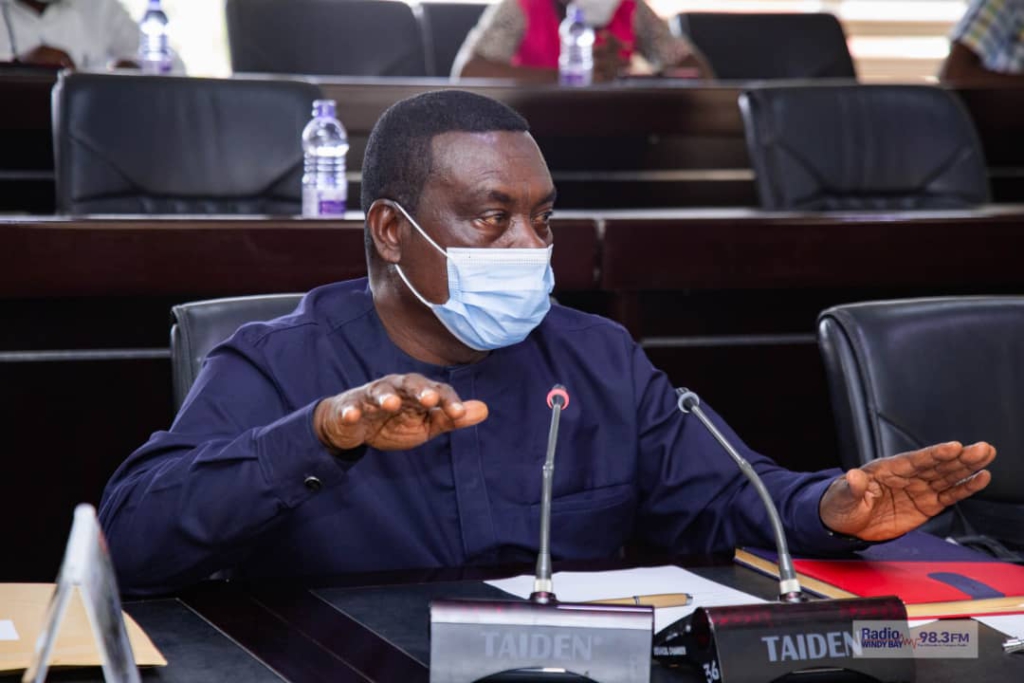
He explained that because the candidates are in the private schools and are already teaching, the programme was crafted for them not to do four years but to do the diploma programme in three semesters and then do a one-year top-up for a degree.
The National Executive Director, GNACOPS, Mr Enoch Kwasi Gyetuah, expressed the excitement of council members about the collaboration and congratulated the team members who developed the programme for putting together a solid programme for the welfare of private education, knowing very well the critical role UEW played in crafting the curriculum for Colleges of Education in Ghana and its leadership role in education in the West-African sub-region.
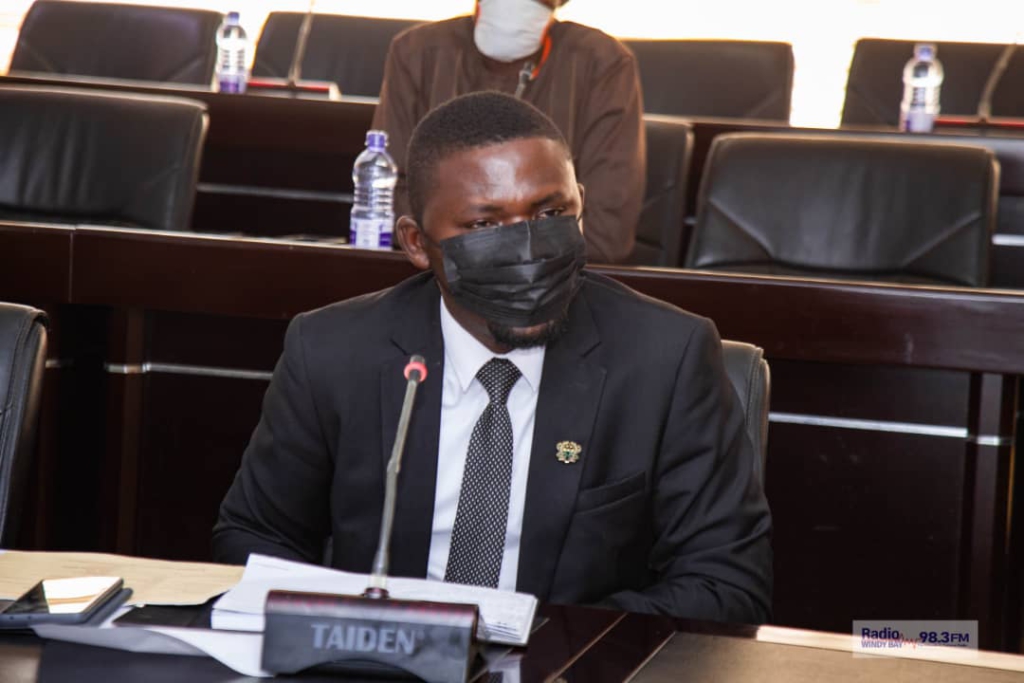
“If there’s any hope the education sector will give to the private school teachers, it is to let this news be told to them. They’ll be very happy because all along they’ve been thinking that NTC is going to throw them out of the classrooms. This is a message of hope that’ll restore the faith they’d lost for so many years,” he stressed.
National Board Chair, GNACOPS, Mr Steve Revss, assured the University that the hard work put in by the team of experts to design the programme will not go down the drain because the people they are offering for the programme are products of hard work, who are eager to seize the opportunity to learn to cement their professional status.
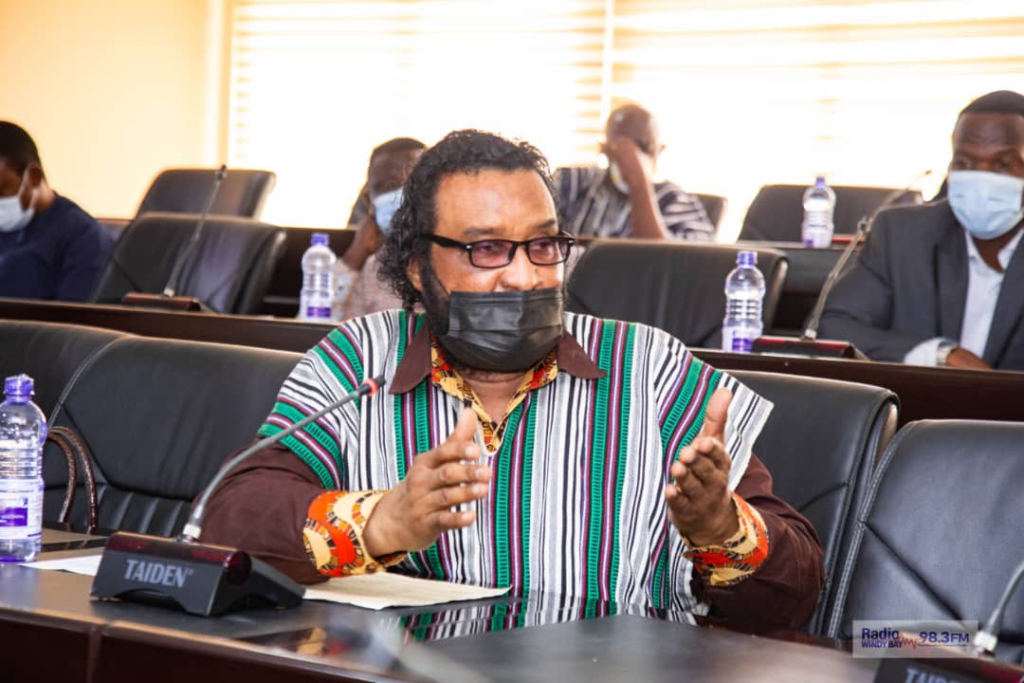
“As we said, about 80% of our teachers are untrained but they work very hard. We discovered along the line in a research that the trained teachers who come in have some kind of security and so usually, the work output is not always like those who are untrained and may have some kind of insecurities.
"Some of them enter the profession because they can’t continue and here is an opportunity presented to them to work and still get educated to become professional teachers. Therefore, they’re very eager and ready to learn and you’ll see that the enthusiasm they come with encourages you”, he said.
Latest Stories
-
Lidl banned from selling copycat Birkenstock sandals, Dutch court rules
59 minutes -
I’ve never come across a woman that strong – Baffour Awuah recounts botched EOCO arrest
1 hour -
Netherlands to return to Eurovision after 2026 boycott
1 hour -
Alan Kyerematen calls for more leaner government
2 hours -
I will go when EOCO is ready to do the right thing – Baffour Awuah on disputed invitation
2 hours -
Uproar in France over award-winning author accused of using AI
2 hours -
Mauritius backs Moroccan sovereignty as most credible solution to regional dispute over Moroccan Sahara
2 hours -
Trump’s Board of Peace unveils $2.45bn plan to begin Gaza’s reconstruction
2 hours -
I thought it was a kidnapping – Baffour Awuah explains dramatic escape from EOCO officers
2 hours -
Cedi depreciates by 9.5% in nine months of 2026 – BoG
3 hours -
Harvey Weinstein sentenced to 15 years in prison for sexual assault
3 hours -
Ghana’s public debt hit GH¢733.9 billion in July 2026
3 hours -
Dolly Parton’s manager accuses her nephew of ‘threats and intimidation’
3 hours -
“I don’t see any rational basis” – Inusah Fuseini rejects proposed five-year term
3 hours -
Constitution shouldn’t be amended simply because years have passed – IEA
3 hours