

Audio By Carbonatix
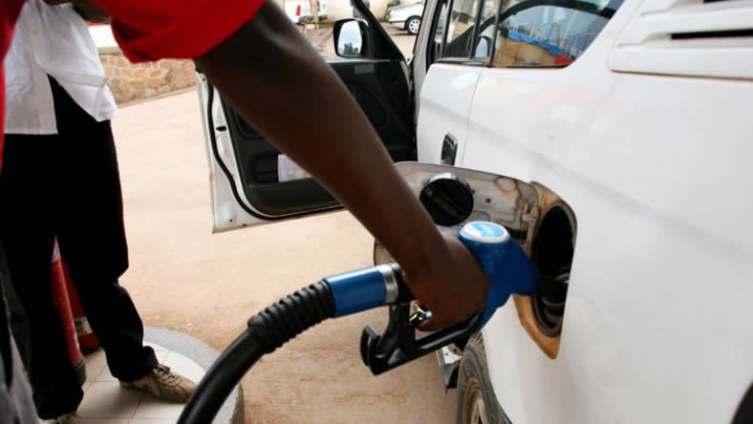
The CEO of Ghana Chamber of Bulk Oil Distributor (CBOD) has bemoaned the rising fuel prices.
Speaking on Joy FM's Super Morning Show Tuesday, Senyo Hosi said that due to the overpriced nature of transportation costs of fuel, there are so many overloaded trucks containing fuel that are yet to be exported, thus terming Ghana as a "highly over-trucked country".
"There are a lot of people who have parked their trucks in yards, they can’t get jobs. Ghana is a highly over-trucked country. So your prices would only face south if it is market-driven".
His comments come at the back of the Oil Marketing Companies (OMCs) and the National Petroleum Authority (NPA) adjusting fuel prices upwards by at least 7 per cent at the pumps on Saturday, October 16.
Following the announcement by the OMCs, there have been calls for government to intervene by scrapping levies imposed on petroleum products.
With government changing every election year, he said that new transporters and transportation brokers brought on board tend to gain favour from the incumbent government depending on their party affiliation.
"Because every year, and every government changes, you have a new set of transporters and a new set of transportation brokers who would ship off some 20 or 30 per cent of the real transporters income. So the transporter himself doesn’t get access to the contract. Instead, others would take the contract and sub-contract to them".
Mr Hosi said irrespective of the political party in power, whether it is the NPP or NDC, one way to curb such a practice is to auction fuel prices.
Citing an example, he said that if government auctions one kilometre worth of fuel, transporters should offer the auction price for the quarter.
"You’d see how the NDC transporters would start getting jobs because their pricing would be way lower. Because for them to get business today, they have to get somebody in. When it’s NPP, the reverse is true. This is the thing that is happening on the transportation side".
He said that due to these irregularities in the petroleum industry, citizens tend to suffer the repercussions by paying higher prices to fill out their vehicles.
"Consumers end up paying a premium for it," he stressed.
Latest Stories
-
John Jinapor engages stakeholders to implement Mahama’s GHS2 diesel relief
8 minutes -
Government’s proposed MMDCE selection model risks creating one-party local governance – Governance expert
10 minutes -
Ukraine hits more Wildberries sites as strike kills five in Moscow region
10 minutes -
Jamaica to formalise disaster response pact with Ghana after Hurricane Melissa support
11 minutes -
Mahama to cut sod for seven-storey car park, airport hotel by end of August
32 minutes -
Aflao traditional leader launches Free BECE results checking initiative for Ketu South candidates
33 minutes -
Challenging Heights approves landmark governance reforms, restructures board
45 minutes -
President Mahama tours Bob Marley Museum with Jamaican Prime Minister
49 minutes -
102 years of keeping promises: Why Enterprise Insurance says ‘Eto Wo A Da’
51 minutes -
Constitution review won’t transform Ghana without value-based leadership – Prof. Agyemang-Duah
53 minutes -
Controversial toilet project beneath Pokuase Interchange demolished
1 hour -
Our early assessments of 20% Cash Reserve Ratio has been orderly, GH¢11.5 billion to be absorbed from market – BoG
1 hour -
Kweku Flick sings in Latin; releases new single ‘Frangō’
1 hour -
Empire Cement supports flood-affected communities in Weija-Gbawe with relief items
1 hour -
DVLA cuts sod for ultra-modern new office at Bechem
1 hour