

Audio By Carbonatix
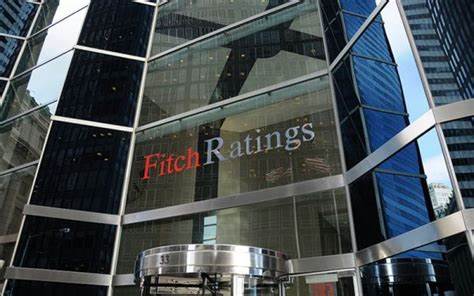
Ghana’s return to the International Monetary Fund (IMF) is key to the restoration of the country’s B credit rating and stable economic outlook, ratings agency, Fitch had said.
In a podcast on the outlook of the country’s economy, it said bringing down the domestic debt is again a key factor to a favorable rating, going forward.
Director at Fitch Sovereign andLead Analyst for Ghana and Zambia, Jermaine Leonard, said strengthening the fiscal economy through fiscal consolidation should be a priority of the Ghanaian government going forward.
“On the positive side what things will lead to stabilisation of the rating; a resumption of access to international capital market will be a big one and that will come from an IMF programme or a change in investor sentiments”, he pointed out that.
Over the medium term, he added “we will be paying attention to the international reserves position and whether Ghana can see a rise in non-debt creating inflows like FDIs [Foreign Direct Investments]. We will also be paying attention to whether the government can implement its fiscal consolidation plan and put public sector debt on a downward path”
Again, Mr. Leonard, said the reserve level of the country is an important measure of external liquidity.
“In terms of negative rate sensitivities, here again the reserve level will be important as a measure of external liquidity. And we will also be watching the government’s ability to source new external financing with which to me is debt servicing obligations.”
“Also, we will be paying attention to the level of fiscal consolidation that the government can achieve along with any stress in the domestic market”, he mentioned.
Fitch downgrades Ghana’s credit rating from B to B- with negative outlook
International ratings agency, Fitch, downgraded Ghana’s Long-Term Foreign-Currency Issuer Default Rating (IDR) to ‘B- ‘from ‘B’ with a negative outlook in January 2022..
The downgrade of Ghana’s IDRs and Negative Outlook, the ratings agency said, reflected the sovereign’s loss of access to international capital markets in the second-half of 2021, following a pandemic-related [COVID-19] surge in government debt.
Fitch in a report said “this comes in the context of uncertainty about the government’s ability to stabilise debt and against a backdrop of tightening global financing conditions. In our view, Ghana’s ability to deliver on planned fiscal consolidation efforts could be hindered by the heavier reliance on domestic debt issuance with higher interest costs, in the context of an already exceptionally high interest expenditure to revenue ratio.”
Latest Stories
-
Ghana High Commission to UK steps in as stranded musician Barosky considers returning home
1 hour -
Health service support centres to give patients in 3 West African countries a stronger voice in healthcare
3 hours -
Akufo-Addo mourns late Ya-Naa Abukari II at Gbewaa Palace
3 hours -
The Mother’s secret: How Eni Akonobea turned motherhood into a philosophy for flourishing
3 hours -
JoySports Invitational 2026: Corporate Ghana wraps up a day of thrilling sporting action at Legon
4 hours -
Rotary Club of Accra-Airport, SCEF donate school supplies to over 200 street-connected children
5 hours -
NPP begins vetting of 47 national officer aspirants Monday
5 hours -
BoG inaugurates committee to probe seized foreign currency at Ghana’s borders
5 hours -
NPP internal elections: 47 out of 50 aspirants file nominations; three bow out
5 hours -
Fix Tema Port, roads to cut logistics costs and boost trade — Oro Oil CEO, Maxwell Commey
5 hours -
Undeclared forex undermines financial intelligence, formal market – BoG Governor
6 hours -
GIPA CEO calls for stronger coordination to provide a clearer picture of investment activity
6 hours -
Afenyo-Markin’s lawyers reject claims he is avoiding service on Sammy Gyamfi
7 hours -
Photos: Mahama swears in Ayariga, Zanetor as new Ministers
7 hours -
Check out the list of 100 universities not recognised by GTEC as of August 2026
7 hours