


Audio By Carbonatix
Breast Care International (BCI) has applauded the development of new technology for treating cancer in Sub-Saharan Africa.
When the new technology 'Tiny Drones to Deliver Cancer' is used, it will eliminate cancer treatment side effects such as hair loss and others.
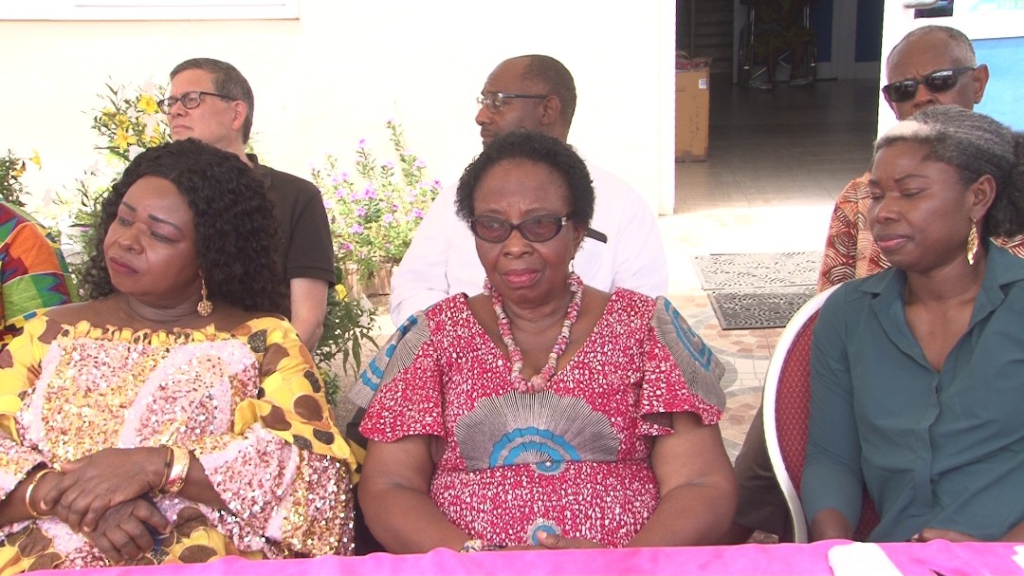
The technology will support Breast Care International and Peace Love Hospital's efforts in Ghana to combat cancer, particularly breast cancer.
Dr Beatrice Wiafe Addai, President of Breast Care International, is enthusiastic about the technology and believes it will improve patients' lives.

Prof Wilfred Ngwa, a Cameroonian lecturer at John Hopkins University in the United States, devised the new technology.
'Tiny Drones to Deliver Cancer' is a cutting-edge new technology that kills cancer cells that have spread throughout the body. The method combines tiny nanoparticles and medication in a grain-sized drone.
Patients are commonly implanted with rice-sized materials to guide radiotherapy treatment of cancers.
Once in situ, the smart technology will competently release microscopic particles or medicine to improve local tumour cell death during radiotherapy and act as a beacon to call in the patient's white blood cells at no further burden to patients.
The white blood cells are then trained to kill cancer cells and patrol the entire body, allowing them to combat cancer that has spread more effectively.
Dr Mrs Beatrice Wiafe Addai, President of Breast Care International, is enthusiastic about the technology and believes it will improve patients' lives.
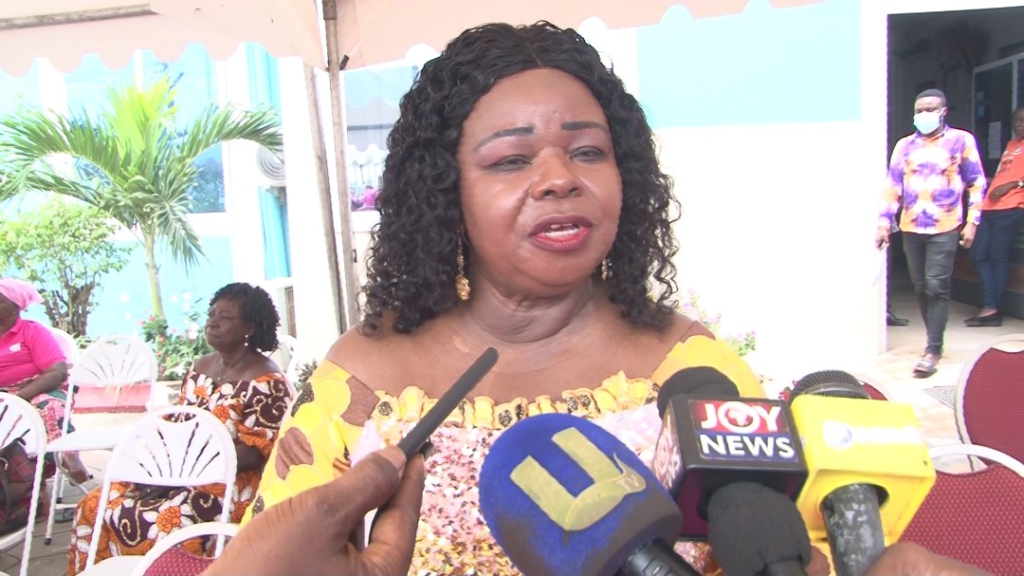
She was speaking during a meeting with the Peace and Love Breast Cancer Survivors (PALSA) in Kumasi.
The Lancet Oncology Commission report supports the management, research, reporting, prevention, treatment and palliative care of cancer in Sub-Sahara Africa.
Professor Ngwa, who also lectures at Harvard University, hinted that clinical trials are starting at Harvard and John Universities in 2022 and follow up in Ghana in 2023.

Prof Ngwa said most of the cancers reported in Africa are late; cancer has spread to the parts of the body, and the only option is to do surgery.
“With the new technology, ‘Tiny Drones to Deliver Cancer’, no matter where cancer has spread, will train the immune system and fight it, without any side effects like the chemo and radiotherapies with loss of hair, among others,” he assured.
Latest Stories
-
Pope Leo to have surgery after lump found in lung
3 minutes -
Joseph Cudjoe writes: Ghana must break free from the dangerous mindset that natural resources are the foundation for wealth
26 minutes -
Children among 109 dead after boat capsizes off Djibouti, UN says
31 minutes -
OmniBSIC Bank’s 11th health walk promotes fitness and business growth
40 minutes -
2026 World Maritime Day: Danish Embassy organises “The Gulf of Guinea Speaks”
1 hour -
New Economy will tackle unemployment and restore hope – Ato Forson
1 hour -
IMMILAC president recounts personal losses as security women lead breast cancer awareness campaign in Wa
1 hour -
University of Ghana postpones October 12 reopening as GAUA strike persists
1 hour -
Bahass Foundation launches vocational skills training to support mental health recovery in Wa
2 hours -
NPP orders parliamentary aspirants and their supporters to suspend campaign activities
3 hours -
Techiman unites against child marriage: Joy Impact Makers Awardee leads charge on International Day of the Girl Child
3 hours -
Ghana Psychological Association calls for greater involvement of people with lived experience in mental health care
4 hours -
Ablakwa says Ghana could evacuate more citizens from South Africa if the situation worsens
4 hours -
Violence against girls must be tackled through individual responsibility – Gender advocate
4 hours -
Ghana’s BRICS bid must be guided by national interest – International Affairs Analyst
5 hours