


Audio By Carbonatix
Many Ghanaian producers are failing to register their products to access international marketing potentials.
According to the Ghana Export Promotion Authority (GEPA), exporters can only ship across borders when their products are certified by regulatory institutions.
The Authority observed that exporters are challenged in selling overseas when they overlook the essence of following protocols.
“People should not see export as a difficult business. There are things you [exporters] need to do, especially, there are documentations you need to get in place,” the Deputy Ashanti Regional Director of GEPA, Francis Fosu Kwakye, said.
He added, “Some need to get their products certified by regulatory institutions like the Food and Drugs Authority or the Ghana Standards Authority. They need to take things step by step. Once they can do that, they are good to go into the international export business.”
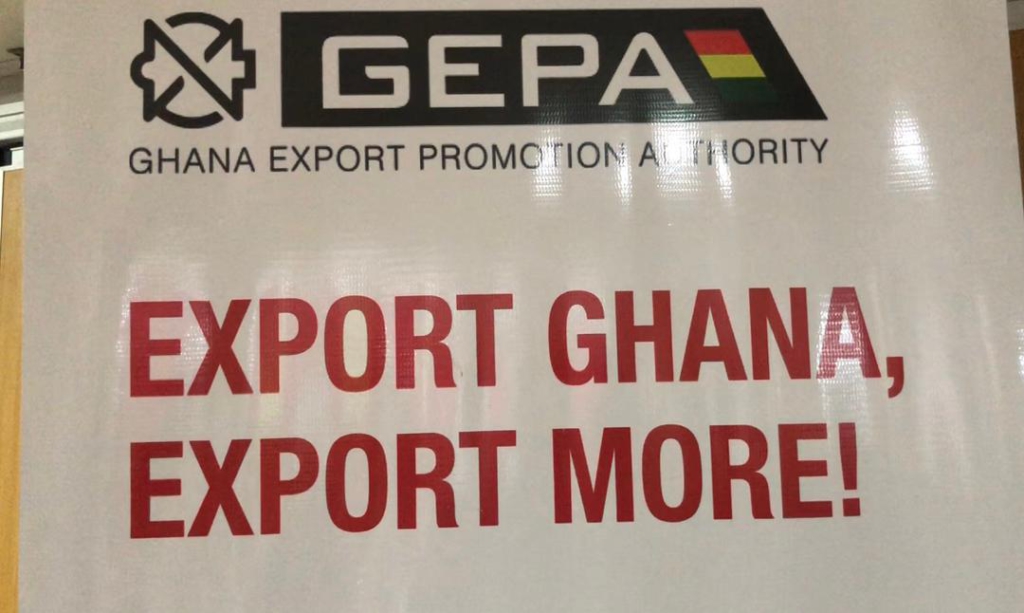
Mr Kwakye was speaking at the closing ceremony of the first annual Export School Programme organised by GEPA in Kumasi.
The five-day school programme and exhibition which was on the theme, “Export Marketing Fundamentals,” acquainted aspiring exporters with the rules and regulations of exporting.
The exporters were equipped with knowledge on opportunities in regional trade agreements with the ECOWAS and the African Continental Free Trade Area (AfCFTA).
Francis Fosu Kwakye observed that lack of information and export financing are hindering the potential of people who aspire to export.
“People have the desire to export, but they don't have much information on international trade and what is involved in exporting.
Generally, they also have problems with export finance, banks and businesses on how to deal with business financing,” he noted.
Aspiring exporter, Ama Serwaa Kyei, who owns Serama Slippers and Sandal business said, “I couldn't get the certification at Ghana standard Authority because I couldn't meet most of the requirements. Now that I have come to the export school, my eyes have been opened to them and I think it's necessary to do that.”
CEO of 360 Naturals, Diana Bosompem, was excited about the awareness of employing legal services in her business.
She, however, bemoaned the high cost of accessing the export market.
“We find the legal aspect important because how we deal with potential importers has so many lapses in communication and pricing. What is hindering us is the shipping cost.
“We are hoping that the government can subsidise some of our shipping costs to keep the eye on the investor here. Importers bear all the cost of production and delivery, which are in the ascendancy,” she said.
Latest Stories
-
Government procures over 2,000 transformers as Ghana’s electricity access hits 89.13% – Energy Minister
10 minutes -
UTAG-UG threatens strike on October 19 over unpaid allowance
18 minutes -
Let The Constitution direct Chieftaincy to deliver “All Development Is Local”
1 hour -
John Jinapor outlines renewable energy, nuclear power priorities for 2027
2 hours -
Ghana explores centre of excellence for hearing, communication and cochlear implant care
3 hours -
Schizophrenia-related disorders lead mental health cases recorded in Ghana
3 hours -
Dutch authorities enlist Ghana in hunt for fugitive drug lord Bolle Jos
4 hours -
Ghana housing finance conference adopts communiqué to improve affordable housing access
8 hours -
Special Initiatives Minister urges Wa Technical Institute to enrol more girls as EU-backed solar training lab opens
8 hours -
In the matter of my first year at the Bar
9 hours -
ActionAid Ghana calls for an end to child marriage, greater investment in girls’ rights
9 hours -
Newsfile to tackle World Cup visa scandal, beach demolitions, education strikes, BRICS bid
9 hours -
UK-Ghana Trade & Investment Summit: Trade Resource Centre to help businesses maximise UK-Ghana trade opportunities
9 hours -
Embassy of Denmark celebrates World Maritime Day
10 hours -
Linking LEAP to productive inclusion could cut extreme poverty by 2030 – UNICEF
11 hours