

Audio By Carbonatix
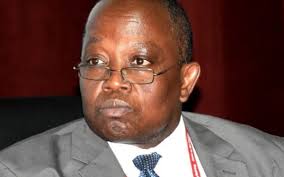
Former Auditor-General, Daniel Yaw Domelevo says the use of contingency vote in sponsoring preparatory works for the construction of the National Cathedral is unconstitutional and could provide a breeding ground for plundering the state's coffers.
This follows a revelation by Finance Minister, Ken Ofori-Atta at his impeachment hearing before Parliament’s Adhoc Committee in November 2022 that the contingency vote is a line under the "Other Government Obligations" vote which is approved by the Finance Committee and passed as part of the annual Appropriation Acts by Parliament.
According to him, in preparing the Annual Budget, the practice is that provision is made for indicative expenditures that have not been fully costed at the time of the budget presentation and provisions are made in the Contingency Vote to cater for such expenditures.
However reacting to the justification, Daniel Yaw Domelvo noted that there are clear constitutional guidelines on how contingency expenses should be made.
“We were told that it was an emergency as a result of which the Minister of Finance used the emergency vote in making that payment. At the same time the same Minister of Finance requested that there should be money paid into the Contingency Fund.
"Read the Auditor-General’s report, and it says that 1.2 million was paid into the Contingency Fund not the Vote and used for COVID which is clearly an emergency, an unforeseeable expenditure.
"So if the Cathedral was actually an unforeseeable expenditure which occurred, then it should be coming out of the Contingency Fund not the Vote. Why didn’t it come from there? Because the Contingency Fund is under the supervision of the Finance Committee of Parliament so there would be transparency and accountability there so they went in for this black box called the Contingency Vote and used that instead," he stated.
He also noted that “the constitution provided that the Minister, if he would not use the Contingency Fund, he must submit a supplementary budget to Parliament. There again there would be accountability and transparency and so to avoid this, the government decided to use the Contingency Vote which I must admittedly say has been in the books for several years and it gives the various Ministers of Finance a leeway of putting money there and can use it anyhow. And I call on Parliament to disallow that expenditure line. It is unlawful”.
Alarmed at the projection that such contingencies may cost the taxpayer over 14 billion cedis in the near future, Daniel Domelevo asked: “Why do we have to create such a contingency where there is no contingency for it? There is no accountability for it? It is a window for stealing. It is a window for wastage and must be stopped," he stressed.
Latest Stories
-
Atta Akyea denies seeking presidential pardon for Wontumi in galamsey case
16 minutes -
Photos: Mahama commissions 85-bed Police Hospital ward, donates two ambulances
25 minutes -
GTEC directs Ghana’s public universities to reopen by October 16 and begin lectures on October 19
26 minutes -
Star Oil donates GH¢1million towards construction of new CID facility
30 minutes -
Court hands Adjetey Sowah, two others lifetime bans after Amputee Football legal dispute
39 minutes -
NDC appoints Julius Kwame Anthony as a Deputy Communications Director
40 minutes -
Ghana repatriates 120 Nigerians rescued from suspected cybercrime centres
44 minutes -
NPP rejects Emelia Agbenyo’s appointment as Deputy EC Chair, demands withdrawal
49 minutes -
EOCO grants Suame MP John Darko enquiry bail in GH¢27m SIC investigation
52 minutes -
NPP cannot question EC appointment after appointing own people to Commission – Kwakye Ofosu
58 minutes -
BoG deepens public trust with regional stakeholder forum in Techiman
1 hour -
‘We have turned the tide’ – Ato Forson says Ghana is ready to take off
1 hour -
Police arrest man captured in viral video assaulting wife in Agona Nkwanta
1 hour -
KATH Mother and Baby Unit construction stalled for 14 months over unpaid contractor arrears
1 hour -
Government wanted to ‘tilt the balance’ with new EC appointments – Kwakye Ofosu
2 hours