

Audio By Carbonatix
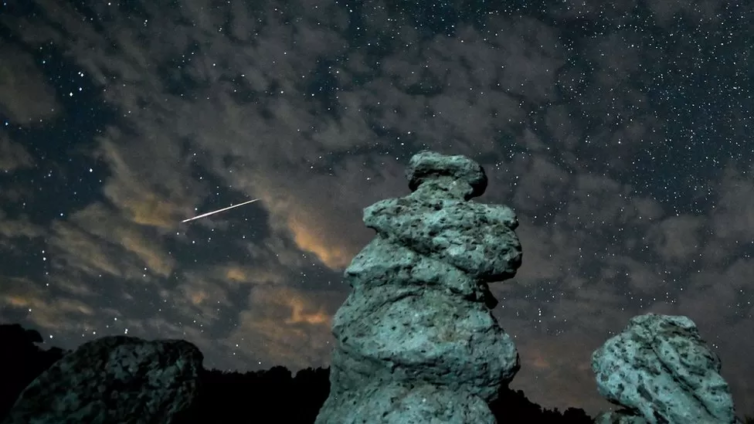
The annual Perseid meteor shower has lit up skies across the world to the delight of those hoping to catch a glimpse of a shooting star.
The phenomenon brings up to 100 meteors an hour, as the Earth slams into the debris left behind from comet 109P/Swift-Tuttle.
As the debris hits the Earth's atmosphere it burns up, resulting in the bright flashes known as shooting stars, which can be seen with the naked eye.
The natural display happens at a similar time in July and August each year, and this year peaked between Saturday night and the early hours of Sunday.
Heavy cloud over much of the UK meant many stargazers were disappointed, although some sightings were possible over Yorkshire, north-east England and parts of southern Scotland.
Looking ahead to the chances of spotting a shooting star over the coming days, BBC weather forecaster Billy Payne said many should be able to get a glimpse despite less than perfect conditions.
"Tonight, we'll see cloud and rain spreading across much of England and Wales, so viewing opportunities will be limited," he said.
"East Anglia and the south-east and the far north of England may see some breaks for a time before cloud increases later.
"Scotland and Northern Ireland will have a few clear spells overnight but even here there will be some areas of cloud around.
"Tomorrow night should offer better conditions as cloud and rain gives way to clearer skies for many.
"Rain may drag its heels across northern England though, while the far north and west are likely to see areas of cloud come and go, particularly towards coasts and hills."
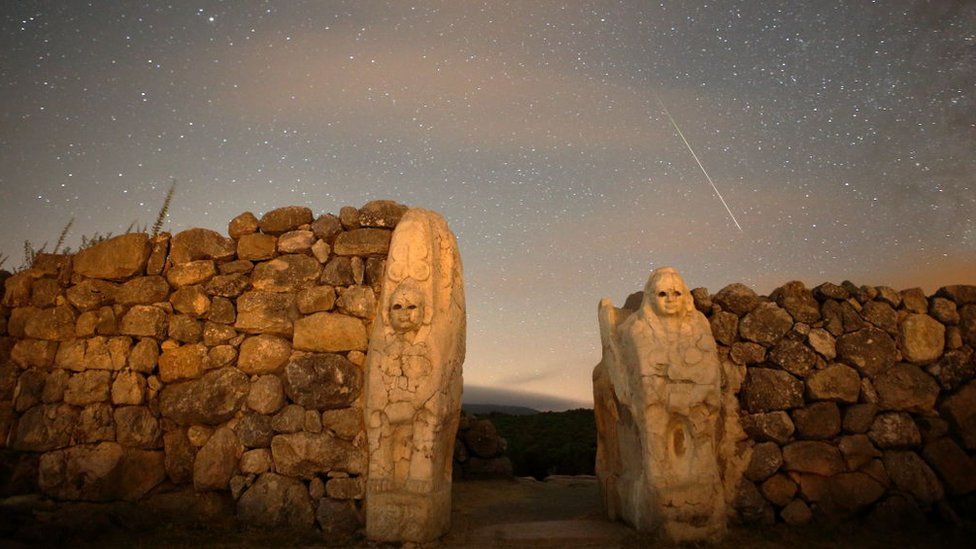
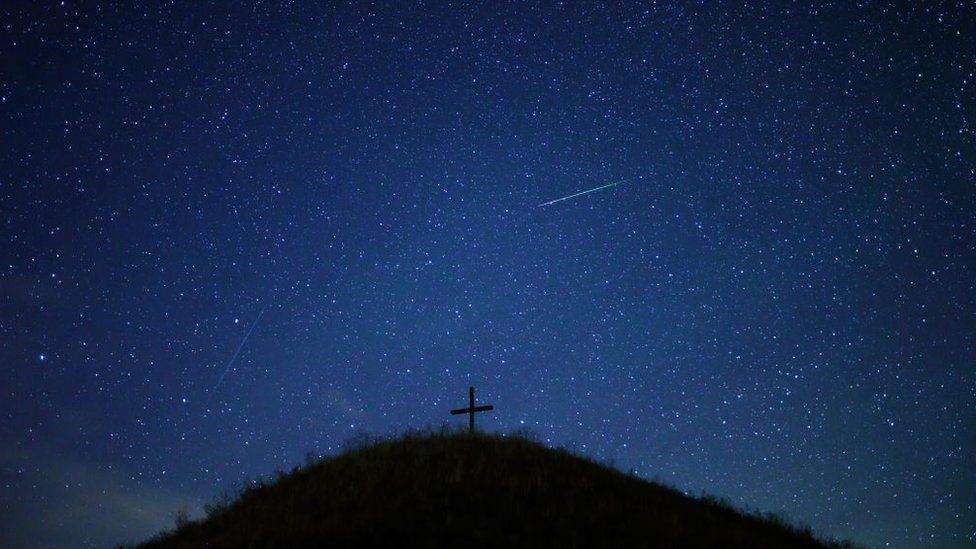
The meteors - which can be as small as a grain of sand or as big as a pea - hit the Earth's atmosphere at speeds of 134,000 mph (215,000 km/h). The blazing debris does not pose any danger to us on Earth.
It is considered one of the best astronomical events because it produces bright meteors and is one of the most active.
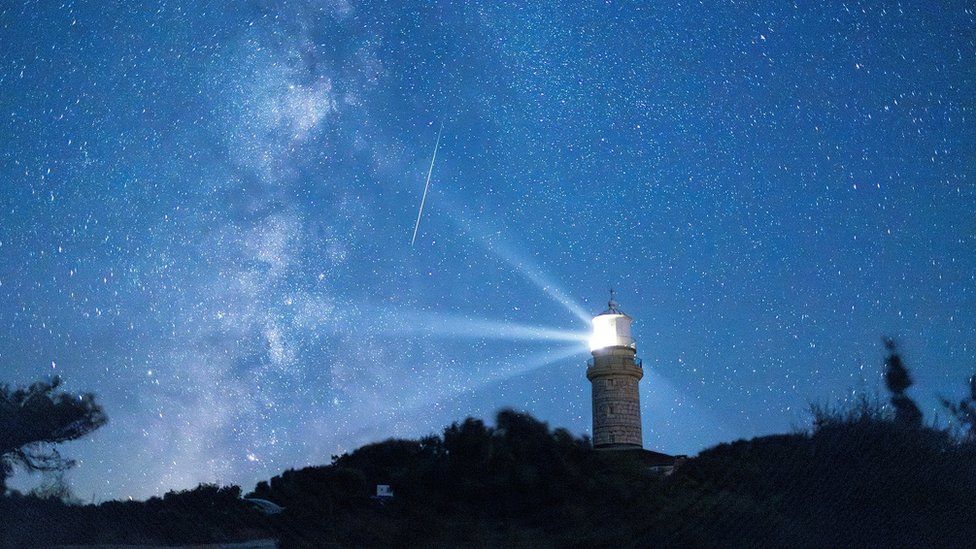
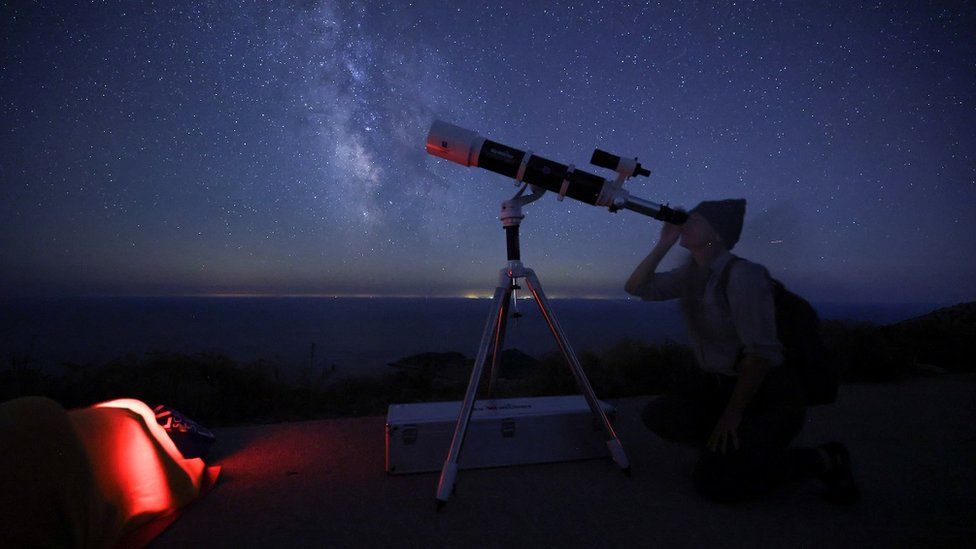
This year, Nasa's All Sky Fireball Network, which observes meteors using a network of cameras, detected the first Perseid meteor on 26 July.
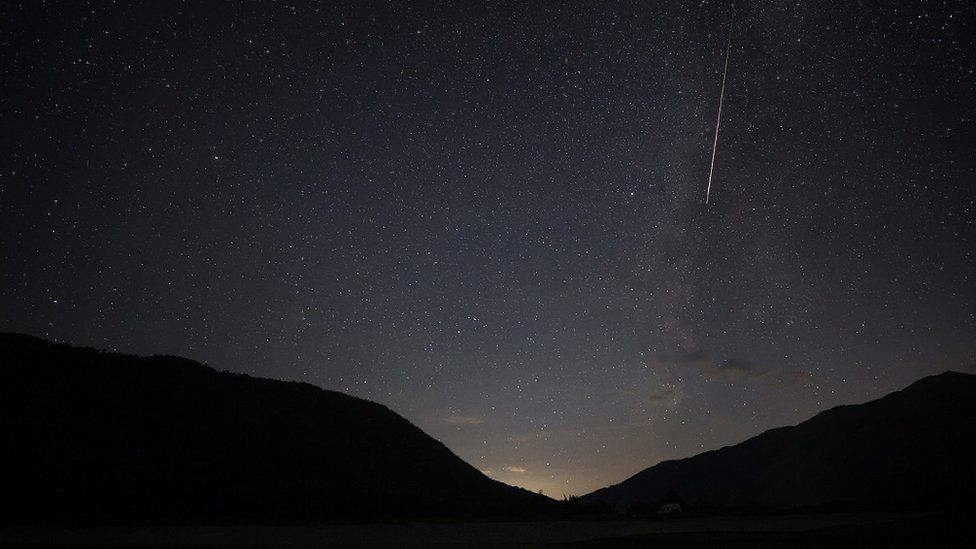
It is called a "Perseid" meteor shower because the meteors appear to originate from the constellation of Perseus - named after a figure from Greek mythology.
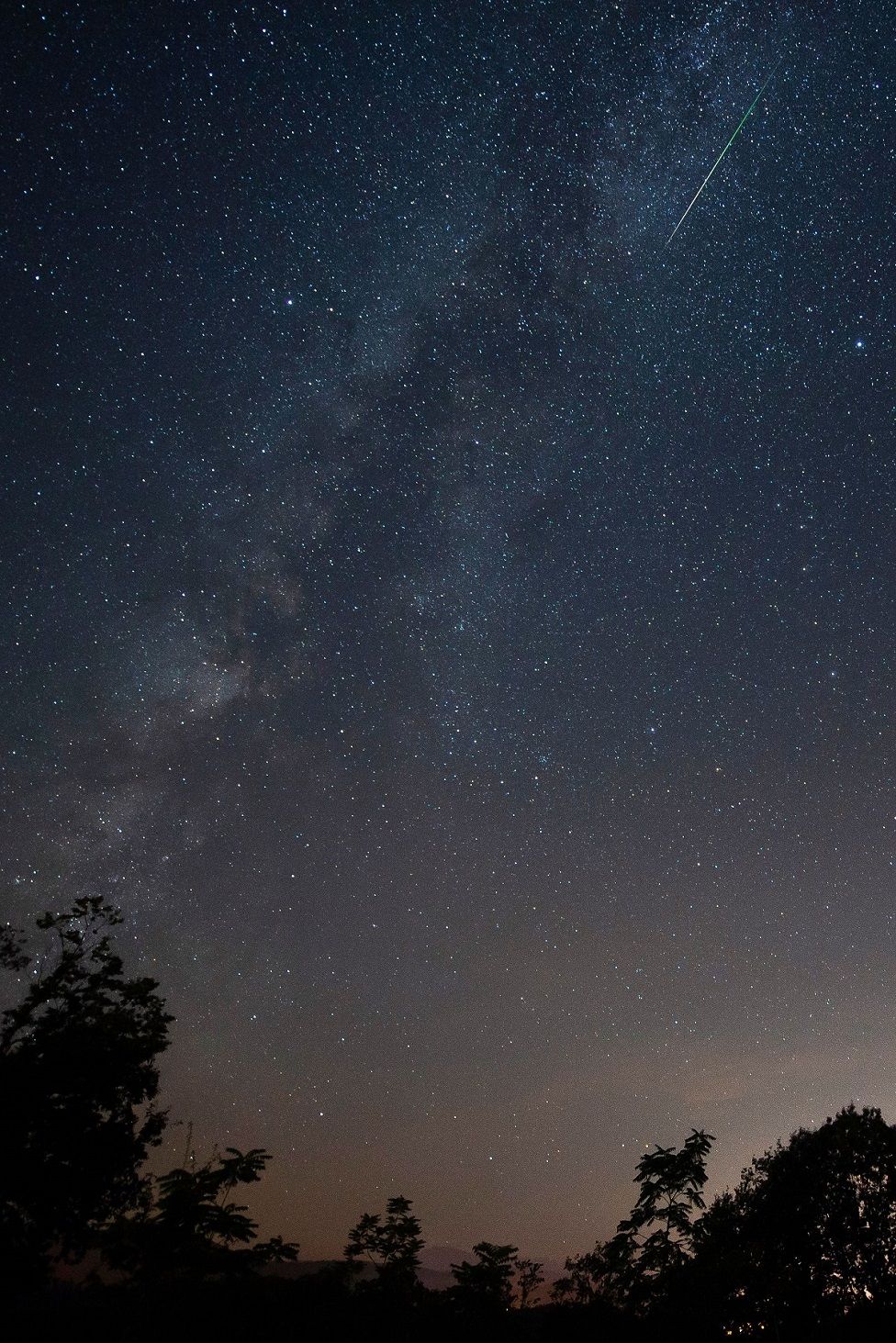
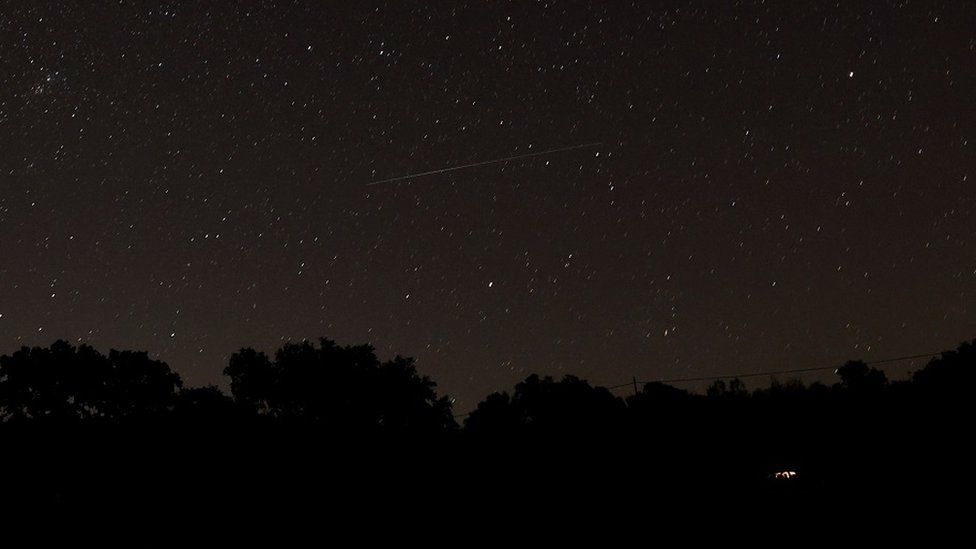
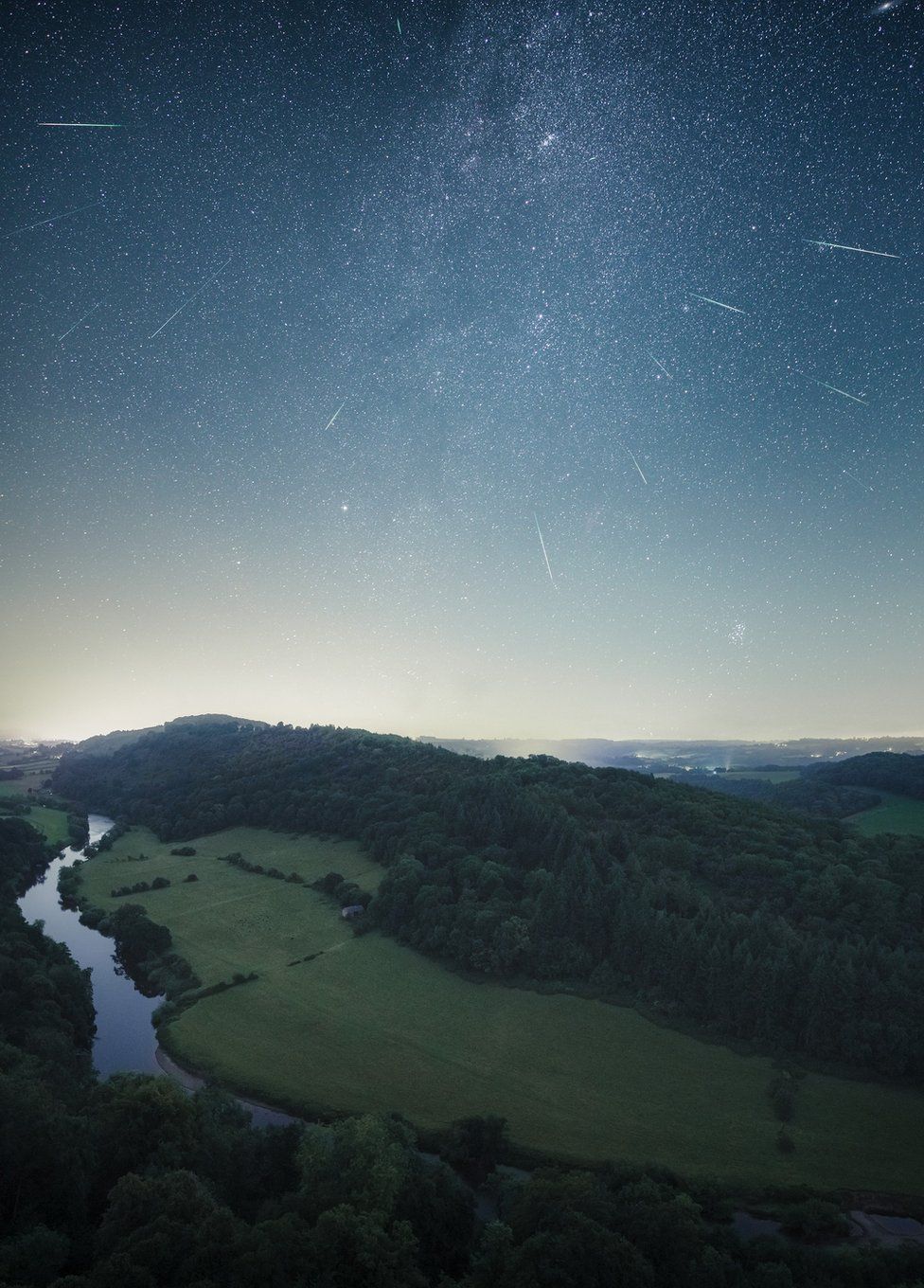
Callum White said he spent Saturday night in the Wye Valley for the Perseid meteor shower.
"I spent three hours looking out over the River Wye and although the cloud rolled in and out throughout, I saw quite a few meteors and the camera captured even more - they have all been combined to produce this photo."
Latest Stories
-
NAGRAT calls for end to political influence on WAEC results
2 minutes -
GBA to announce position on Tribunals Law soon – GBA President
2 minutes -
WAFU B U-17 Girls Cup: Joe Nana Adarkwa eyes title defence with Black Maidens
4 minutes -
GFA opens disciplinary case against GoldStars CEO Kwasi Adu
4 minutes -
Education Ministry welcomes Catholic Bishops’ call for CSSPS review
7 minutes -
2026 Women’s Super Cup set for September 23 to September 29 in Prampram
16 minutes -
Rennes register Ghana defender Alidu Seidu for Europa League amid Nice interest
21 minutes -
Deliberate VAT evasion will attract penalties — GRA
23 minutes -
If the Ghana Premier League is financially weak and structurally fragile, Africa will expose its weaknesses
35 minutes -
Accra-Kumasi Expressway: 48 Engineer Regiment can deliver if well resourced – Political Lecturer
49 minutes -
Businesses above GH¢750,000 turnover must register for VAT – GRA
53 minutes -
Kenya confirmed hosts of World Athletics Championships 2029
1 hour -
No more pothole ambulance rides: Mahama’s roads will change lives – Agbodza tells Upper West farmers
1 hour -
‘Physically better’ Kudus can start against Liverpool – De Zerbi
2 hours -
Bonsu Baah sets up opener in Al Qadsiah win over Al Wasl
2 hours