

Audio By Carbonatix
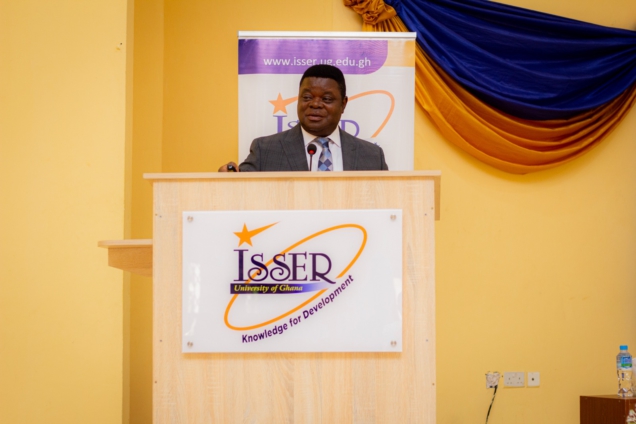
The Director of the Institute of Statistical Social and Economic Research (ISSER), Professor Peter Quartey, has emphasised the need for Ghana to draw lessons from Zambia's recent Domestic Debt Exchange Programme (DDEP) at this year's ISSER Development Dialogue.
The event's theme, 'The effects of a second round det exchange in Ghana,' set the stage for a valuable comparison.
Zambia successfully restructured $6.3 billion in debt owed to official bilateral creditors.
This was accomplished by extending debt maturities by more than 12 years and reducing interest rates to 1.0% for 14 years, rising to a maximum of 2.5% thereafter.
This strategic move was estimated to save Zambia approximately $5.0 billion in debt service payments from 2023 to 2031.
In contrast, Zambia committed to repaying its official creditors around $750 million over the next decade, a significant reduction from the nearly $6 billion initially owed.
As Ghana navigates its own debt exchange journey, Professor Quartey stressed the importance of these lessons.
Ghana is currently finalizing its bilateral debt agreements, with domestic debt management posing additional challenges.
One key lesson from Zambia is the importance of preserving domestic financial stability.
Zambia chose not to restructure non-resident holdings of local currency bonds and Treasury bills, prioritizing the health of its financial sector. This decision offers Ghana valuable insights:
- The Scramble for Treasury Bills: High-interest rates on Treasury Bills can worsen the debt situation and cause financial stress.
- Crowding Out of the Private Sector: Heavy government investment in Treasury Bills can discourage private sector investment, hindering economic growth.
- Impact on Lending Rates: High lending rates deter private-sector borrowing, affecting businesses and economic growth.
- Financial Sector Health: Protecting the stability of the financial sector is crucial for overall economic well-being.
Professor Quartey concluded by emphasizing that Ghana's ongoing debt exchange should be guided by the lessons from Zambia.
Striking the right balance between securing favourable terms and safeguarding domestic financial stability is vital, paving the way for a more stable and prosperous economic future.
Latest Stories
-
Don’t limit GoldBod probe to 2025 – Agalga demands full audit of gold trading scheme
38 minutes -
GoldBod has never incurred losses – Agalga challenges claims as Minority pushes probe
59 minutes -
NAIMOS raids Ankobra, destroys 86 chanfang machines in fresh galamsey crackdown
1 hour -
Trump administration moves to impose more than $100,000 fee for H-1B worker visas
2 hours -
Oil prices steady as investors weigh impact of expanded US sanctions against Iran
4 hours -
Trump administration plans to revoke visas of foreigners seeking asylum
4 hours -
US appeals court considers reassigning case from judge over AI use
4 hours -
Trump bought shares in Elon Musk’s SpaceX in June, financial disclosure shows
4 hours -
MTN approves $375 million share buyback after profit rise
4 hours -
Ghana gold buyers went weeks without funds, sources say
4 hours -
Nevada sues to block Trump administration’s Colorado River plan
5 hours -
Tunisian hospital receives 19 bodies after migrant boat sinks
5 hours -
Oil drops more than $2 despite new US sanctions on Iran
5 hours -
Dangote refinery drives seven-fold rise in Nigeria petroleum product exports, EIA says
5 hours -
Zambia closes courts on last day to file election challenge
5 hours