

Audio By Carbonatix
A ban on some single-use plastic products will come into force across England on Sunday.
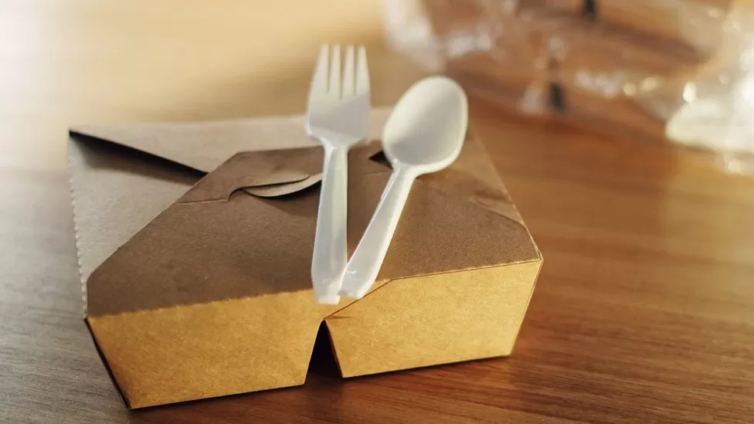
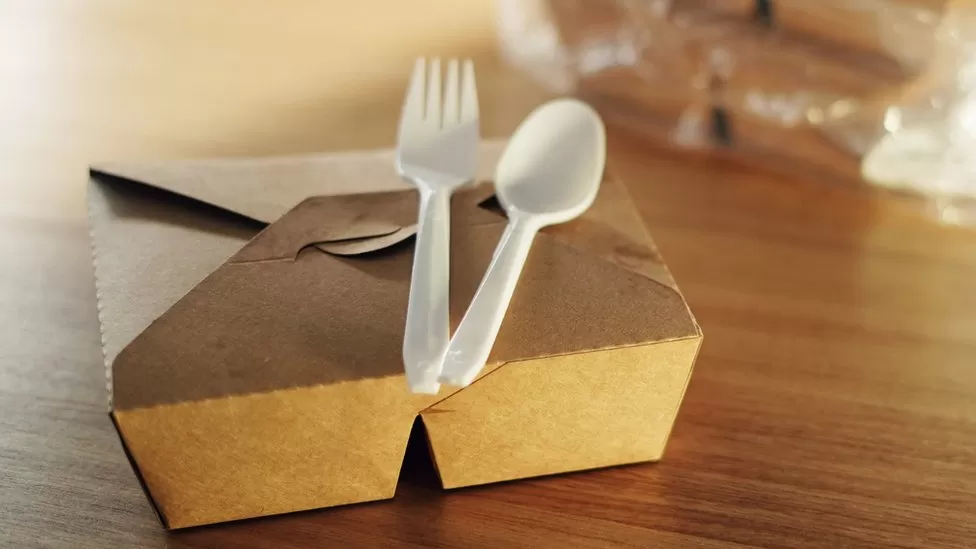
Shops and hospitality businesses will no longer be able to supply plastic cutlery, balloon sticks and polystyrene cups under the new rules.
The government says the move will "tackle the scourge of litter and protect the environment from plastic pollution".
But councils have warned that some firms are not ready for the change.
Around 1.1 billion single-use plates and more than four billion pieces of plastic cutlery are used in England every year, government figures suggest.
The vast majority of these products cannot be recycled and can take hundreds of years to biodegrade in landfill sites.
From Sunday, some new restrictions will also be applied to the supply of single-use plastic plates, bowls, and trays - but exemptions are in place for takeaways and other businesses which sell pre-packaged food.
The new rules, which were first announced in January, are part of a wider goal to eliminate avoidable plastic waste by 2042.
Environment minister Rebecca Pow said the government has already implemented "world-leading" bans on straws, stirrers and cotton buds, as well as rolling out charges for carrier bags and an industry tax on large plastic packaging imports.
She said the latest ban will "protect the environment and help to cut litter - stopping plastic pollution dirtying our streets and threatening our wildlife".
Rules vary in different parts of the UK, but Wales and Scotland have pursued similar policies to those coming into force in England.
The ban in England will be enforced by local trading standards officials but a body representing councils warned some businesses and customers are unaware of the change.
Darren Rodwell, environment spokesman for the LGA, said: "This is a valuable policy to reduce waste but there is still more to do."
Some environmental campaigners have criticised the government for not introducing wider restrictions on plastic products.
Anna Diski, plastics campaigner for Greenpeace UK, told the BBC: "Legislating token bans on a few single-use plastic items every few years... [is] completely inadequate to the scale of the problem.
"Instead of this piecemeal approach, the government needs to address the problem at source and roll out a serious strategy to cut how much plastic is being produced."
Latest Stories
-
No more pothole ambulance rides: Mahama’s roads will change lives – Agbodza tells Upper West farmers
6 minutes -
‘Physically better’ Kudus can start against Liverpool – De Zerbi
12 minutes -
Bonsu Baah sets up opener in Al Qadsiah win over Al Wasl
26 minutes -
Ghana has now become a distribution hub for drugs
44 minutes -
Africa Nations Volleyball Championship: Ghana’s Black Spikers leave for tournament in Tunisia
59 minutes -
Today’s Front pages: Tuesday, September 15, 2026
1 hour -
Auditing the Auditor-General: How special audit understated a COVID-19 expenditure
2 hours -
A Partnership for Progress: Why the ProMark–KPMG collaboration matters for Africa’s digital assets future
2 hours -
Catholic Bishops pressure gov’t to sign long-delayed mission schools agreement
3 hours -
Cedi under fresh pressure as Christmas import demand drives dollar surge
4 hours -
Ato Forson eyes first-week November for 2027 Budget, promises jobs and major infrastructure push
4 hours -
Catholic Bishops demand probe into ‘protocol admissions’ amid SHS placement challenges
4 hours -
SHS placement: Catholic Bishops demand probe into alleged payments for school places
4 hours -
Facts about Nigeria’s Dangote oil refinery Initial Public Offering
5 hours -
Trump says AI safety fears a ‘hoax’ as he rejects calls for greater safeguards
5 hours