

Audio By Carbonatix
The intrinsic value of literary works in shaping minds and molding societies is a universal truth that holds especially true in the context of Ghana's educational landscape.
From the foundational stages of learning to advanced academic pursuits, the role of literature is indispensable in the holistic development of individuals.
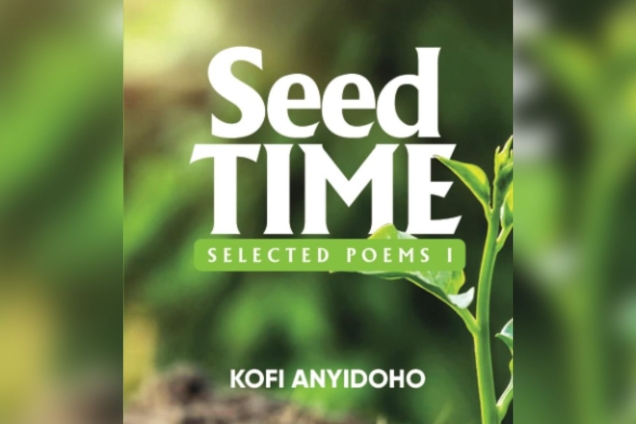
This piece explores the current status of literary education in Ghana and highlights the insights shared by prominent figures at the launch of the book "Seed Time."
Ghana has witnessed commendable educational progress over the years, with graduates contributing significantly to the nation's development. However, an examination of the current trajectory and the prevailing educational module reveals underlying challenges within the system.
At the book launch of "Seed Time," Professor Esi Sunderland emphasized the imperative for the Ghanaian government to leverage technological advancements effectively.
She stressed that the incorporation of new media and various events could provide platforms for sharing literary works, citing Ama Ata Aidoo as an example of a scholar whose contributions could be maximized through such means.
"I believe that literature can be integrated into a number of things that we do, a number of gatherings that we have where we can be quoting you know from some of these literary [works]," Professor Sunderland asserted.
Addressing the need for transformative change in the educational sector, Literary Scholar and Professor at the University of Ghana, Kofi Anyidoho, underscored the importance of prioritizing indigenous languages. He advocated for policies that consciously promote the habit of reading, particularly among children, as a means to enhance writing skills.
"We must read not just my books. I became who I've become by reading other people's books. Read all our other writers. Today all you find in the room of the kids are videos. We must not only ask our people to read, but we must also write for them to read. For our English to be good, every one of us must start by our own languages," emphasized Professor Anyidoho in an interview.
Understanding the value of literary works in Ghana goes beyond the academic realm; it is a cultural and societal imperative.
As the nation navigates the evolving landscape of education, incorporating literature strategically, promoting indigenous languages, and fostering a reading culture among the youth emerge as crucial steps toward a more robust and enlightened society.
Latest Stories
-
Young woman found dead at Kasoa Peace Town
13 minutes -
Livestream: The Law examines lawful arrest in Ghana
38 minutes -
Mahama urges African governments to treat healthcare as an investment, not budget cost
1 hour -
Bawumia congratulates John Boadu and new NPP executives, pledges support ahead of 2028
1 hour -
‘No talent should be left out’ – Bawumia pledges inclusive NPP campaign for 2028
1 hour -
Prof. Mike Oquaye recounts how he blocked Special Prosecutor’s attempt to arrest Bawku Central MP
2 hours -
Make health sovereignty a priority for Africa – Mahama
2 hours -
Dorimon Naa, Wa West DCE lead massive clean-up exercise; threaten sanctions against recalcitrant residents
2 hours -
Photos from Adom FM Y2K Jam
2 hours -
Praye Tiatia steals the show at Adom FM Y2K Jam [Watch]
2 hours -
Boakye Agyarko congratulates John Boadu, pledges support for NPP leadership
2 hours -
Antwi HiMight thrills fans with Antwi ne Antwi hits at Adom FM’s Y2K Jam [Video]
3 hours -
Amb. Edward Boateng congratulates Boadu, Kodua on election wins
3 hours -
John Boadu pledges to rebuild NPP from grassroots and restore ‘winning machinery’
3 hours -
Ashaiman Assembly deploys monitoring system to curb dumping in storm drain
3 hours