

Audio By Carbonatix
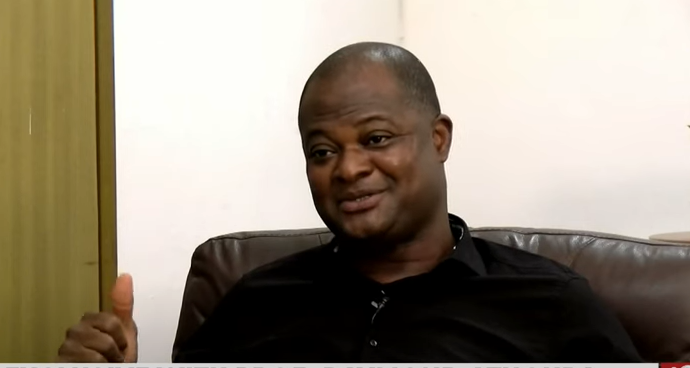
The Dean of the University of Ghana School of Law, Prof Raymond Atuguba, has stated that economic hardship is a major reason coup d’états have become rampant in West Africa in recent years.
According to him, some West African countries have experienced coups because leaders turned a blind eye to calls for solutions to address these problems.
Speaking on JoyNews AM Show on May 2, he said coup perpetrators have hinted that certain factors motivated them to usurp power and change the status quo.
“Coup leaders cite five issues consistently as causing the coup. The first is economic hardship. You see why I am talking about the economy a lot and the debt crisis and the outward oriented economies.
“If you don’t solve those economic hardships coups are going to happen. Democracy is going to reverse. We are going to live under repressive regimes,” he said.
Prof Atuguba said another factor for the occurrence of coups is the phenomenon of sit-tightism. He stated that leaders feel a sense of entitlement and refuse to give up their seat, treating it as a family possession.
“Sit-tightism is now recognised as a word where a leader sits tied on the seat and refuses to go. That is where Togo comes in. In other words, the situation in Togo is one of the things that ignites coups,” he said.
Another factor he mentioned was the closing of democratic spaces. He explained that in countries like Ghana, Mali, or Burkina Faso, certain actions of democratic governments can close democratic spaces and sometimes force people to react.
He also added that corruption and violent extremism are additional factors that play a role in these issues.
He therefore called for measures to be adopted to address these threats.
“So we need to focus on these five issues. If we want to end the phenomenon of coups. We can’t wish it way. We can’t deal with the five issues by shouting good governance all around the country.
“We have to get to work and address it. The saddest part of it is the evidence appears to be that when a country goes into undemocratic rule or military regime, under a military regime they appear to be doing better economically,” he argued.
Latest Stories
-
Beach Soccer AFCON 2026Q: 60 players called up as Ghana steps up preparations
46 minutes -
Today’s front pages: Tuesday, September 8, 2026
1 hour -
FIFA, CAF halt Nigeria football elections over governance crisis
2 hours -
13-year-old Prince George set for first day at Eton College
2 hours -
NPP national election: ‘Something shocking is about to happen in Kumasi’ – Sylvester Tetteh
2 hours -
‘Judge me on my commitment, not whom I supported during presidential primary’ – Sylvester Tetteh to NPP
2 hours -
Family demands answers after dialysis patient dies at TTH during power outage
2 hours -
Foreign Ministry repatriates nearly 7,000 distressed Ghanaians since 2025 – Ablakwa
3 hours -
Gender Ministry steps up community campaign against social vices
3 hours -
Police bust armed robbery gang targeting gold dealers, mining sites in Ashanti and Western regions
3 hours -
Galamsey causes 1 in 4 fibre cuts in Ghana – Sam George
3 hours -
Police link Labone bank robbery suspects to earlier attacks on customers
4 hours -
Accra-Kumasi Expressway will be Mahama’s major road legacy – Agbodza
4 hours -
Ghana spends over US$20m repairing fibre cuts – Sam George
4 hours -
GACL wins two awards at ACI World Airport Experience Summit
4 hours