

Audio By Carbonatix
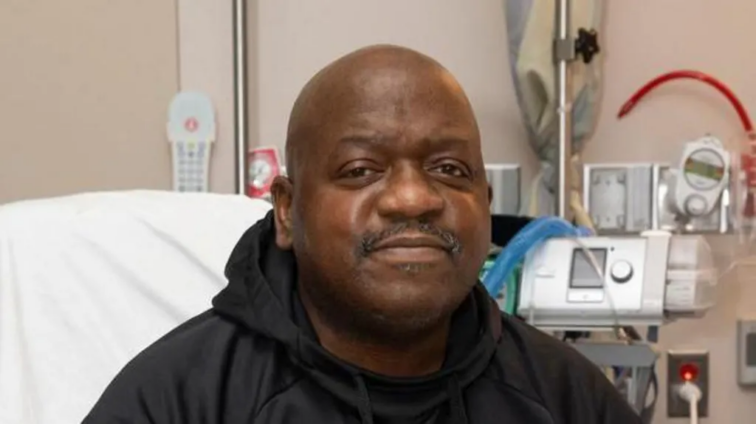
The first man to receive a genetically modified pig kidney transplant has died two months after the operation, the hospital which carried out the procedure has said.
Richard "Rick" Slayman, 62, was suffering from end-stage kidney disease before undergoing the operation in March.
Massachusetts General Hospital (MGH) said on Sunday there was no indication his death was a result of the transplant.
Transplants of other organs from genetically modified pigs have failed in the past, but the operation on Mr Slayman was hailed as a historic milestone.
In addition to kidney disease, Mr Slayman also suffered from Type 2 diabetes and hypertension. In 2018, he had a human kidney transplant, but it began to fail after five years.
Following his pig kidney transplant on 16 March, his doctors confirmed he no longer needed dialysis after the new organ was said to be functioning well.
"Mr Slayman will forever be seen as a beacon of hope to countless transplant patients worldwide and we are deeply grateful for his trust and willingness to advance the field of xenotransplantation," MGH said in a statement.
Xenotransplantation is the transplanting of living cells, tissues or organs from one species to another.
MGH said it was "deeply saddened" at his sudden death and offered condolences to his family.
Mr Slayman's relatives said his story was an inspiration.
"Rick said that one of the reasons he underwent this procedure was to provide hope for the thousands of people who need a transplant to survive," they said.
"Rick accomplished that goal and his hope and optimism will endure forever.
"To us, Rick was a kind-hearted man with a quick-witted sense of humour who was fiercely dedicated to his family, friends, and co-workers," they added.
While Mr Slayman received the first pig kidney to be transplanted into a human, it is not the first pig organ to be used in a transplant procedure.
Two other patients have received pig heart transplants, but those procedures were unsuccessful as the recipients died a few weeks later.
In one case, there were signs the patient's immune system had rejected the organ, which is a common risk in transplants.
Latest Stories
-
ECG, Graphic and three other SOEs recorded losses every year from 2021 to 2025 – SIGA
6 seconds -
COCOBOD revenue surges to GH¢48.6bn, returns to GH¢5.1bn profit in 2025
2 minutes -
The jury’s options in Lindsay Clancy’s murder trial
2 minutes -
Venus Williams loses 15th match in row in 2am finish
2 minutes -
NSA reopens portal for defaulters, private candidates ahead of September 4 deadline
2 minutes -
Akosua’s ‘Fante Deliciousness’ wins in Big Chef Season 5
3 minutes -
My chances are good – Paul Afoko confident of clearing NPP vetting in National Chairman race
3 minutes -
Fairtrade Africa presses cocoa industry to close living income gap
5 minutes -
Ghana Airports Company’s income rises to GH¢2.48bn as assets exceed GH¢10bn
5 minutes -
aYo Ghana is Mobile Insurance Leader of the year
12 minutes -
Deputy AG rejects OSP claim of collaboration snub, says allegation is false
13 minutes -
Compounded dilema of healthy and safe foods on our plates; any end in sight
20 minutes -
Nigeria urges AU action over xenophobic, Afrophobic attacks in South Africa
21 minutes -
Richmond Gyamfi to join Egersunds IK on loan from AGF
28 minutes -
ADB champions safer banking as GAB fraud awareness campaign climaxed
32 minutes