

Audio By Carbonatix
Senior dietician at the University of Ghana Medical Centre, Amos Agyei Gyamfi, is advocating for moderation in the consumption of salt.
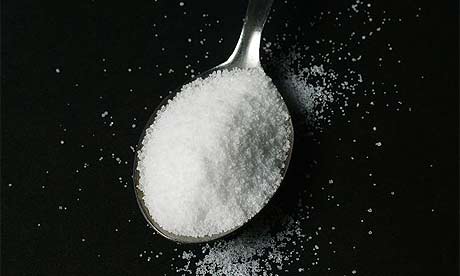
According to him, no more than one teaspoon of salt in day will reduce the risk of hypertension.
Speaking on the importance of dietary management in controlling blood pressure, Mr Gyamfi emphasised that excessive salt intake is a significant contributor to the development of hypertension.
Mr. Gyamfi explained that high salt consumption leads to increased blood pressure, which in turn raises the risk of cardiovascular diseases such as stroke and kidney failure.
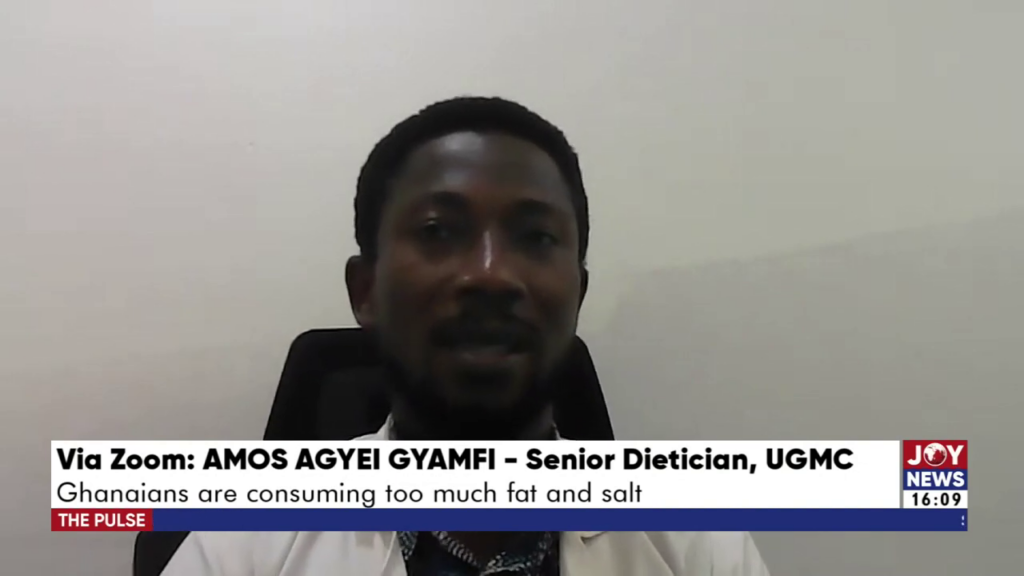
“For your cardio-protective health, a meal good in drains and less salt. In Ghana, someone’s pinch of salt might be more than five grams. Technically, on a daily basis, it’s recommended that you have about a teaspoon of salt for the whole day, and it’s also advisable to put salt on the table. We shouldn’t have the excess of the oils,” he indicated.
The dietician's advice aligns with global health guidelines, which also suggest limiting salt intake to minimise the risk of hypertension and associated health complications.
Speaking to the host of The Pulse, Elton Brobbey, the dietician advised that individuals should be mindful of hidden salt in processed and packaged foods, which can contribute to higher salt consumption without realising it.
In addition to reducing salt intake, Mr. Agyei Gyamfi recommended a balanced diet rich in fruits, vegetables, whole grains, and lean proteins, combined with regular physical activity, to maintain optimal blood pressure and overall health.
He believes our local foods are rich in nutrients, and westernising of our diets exposes us to cardiovascular diseases.
“As Ghanaians, we shouldn’t be mordenising our diet by following western diets. Our local diets are good for us. It’s just about what goes into it. Ghanaians are consuming too much fat and salt. Too much of the processed foods. We are avoiding natural and fresh foods. Those are the challenges we are facing now,” Mr. Gyamfi said.
The healthcare professional is of the firm view that by adopting these dietary changes, Ghanaians can take proactive steps towards better health and a reduced incidence of hypertension.
Latest Stories
-
Bellingham scores as Mourinho’s Real win again
8 minutes -
Tech trouble leaves Chelsea game ref without comms
16 minutes -
Wife of man who died after turbulence sues airline
27 minutes -
Russia says it helped to repel Niger attempted coup
36 minutes -
Michail Antonio helps young Ghanaians chase Premier League dreams
2 hours -
Zambian opposition leader charged with treason
2 hours -
Iceland votes against restarting EU membership talks
2 hours -
WhatsApp chat used to launder cash for crime and extremism
3 hours -
US judge blocks Pentagon’s Anthropic blacklisting
3 hours -
Tinubu files case in US court to block release of alleged drug trafficking record – Lawyer
3 hours -
‘Powder Guy’ denies $32,000 visa fraud charges
3 hours -
Two suspects arrested over lynching at Daboya
3 hours -
Mobile phones contributing to Christians’ spiritual decline – Bishop Patu
4 hours -
Government to develop 150-acre air cargo hub at Tamale Airport – Goosie Tanoh
4 hours -
Stronger GRA digital systems needed at ports – IEAG
4 hours