

Audio By Carbonatix
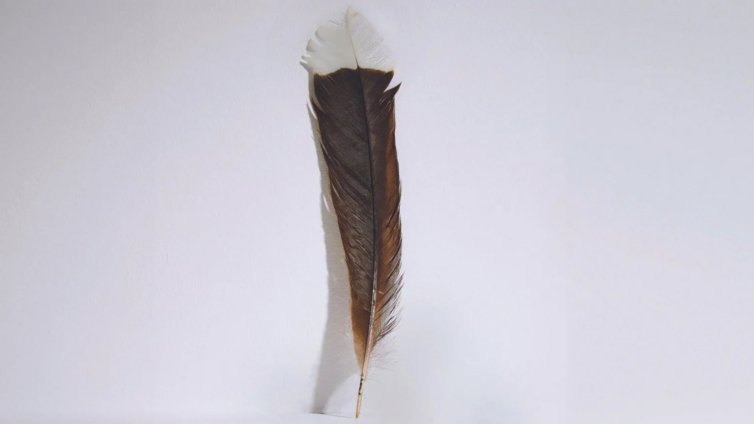
A single feather of the now extinct New Zealand huia bird has set a world record after being sold for NZD$46,521.50 ($28,417, £22,409) at an auction.
The feather, initially expected to fetch up to $3,000, broke the previous record which was for a feather of the same species by 450%, the Webb's Auction House said.
The huia bird was sacred to the Māori people. Their feathers were often worn as headpieces by chiefs and their families and also gifted or traded.
Its last confirmed sighting was in 1907, but unconfirmed sightings were reported for twenty to thirty years after that, according to the Museum of New Zealand.
The huia was a small songbird of the wattlebird family in New Zealand and was known for its jumping abilities and beautiful plumage, which is distinct for the white tip across the edge.
The feather sold on Monday was "in wonderful condition", says Leah Morris, Head of Decorative Arts at Webb's Auction House.
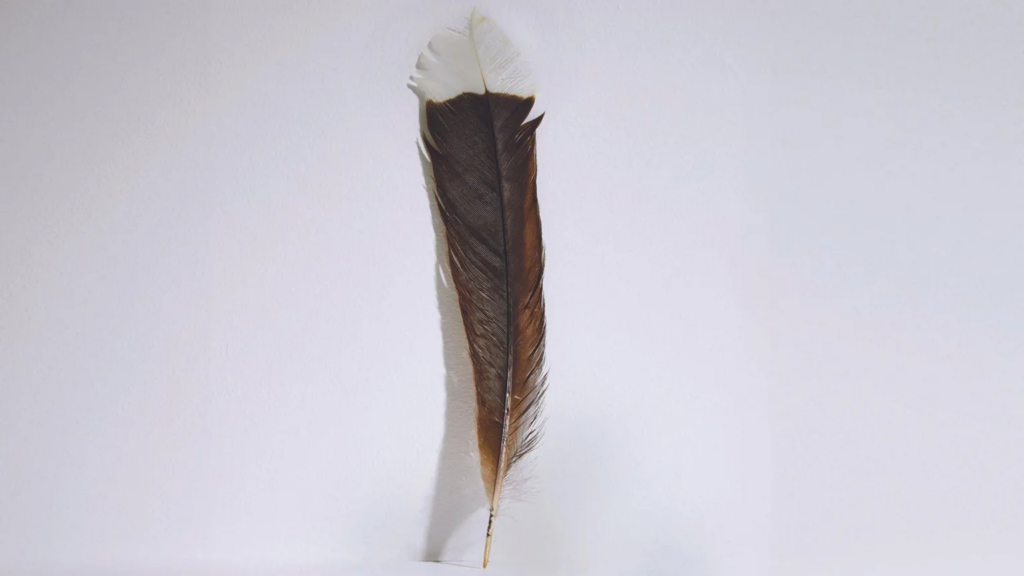
"It still has its very distinct sheen to it, and there was no insect damage," she told the BBC.
She adds that the auction house framed the item behind UV protective glass and with archival paper, which means it will have a "really long life".
The feather is registered as a taonga tūturu under a system to protect Maori made objects. Only collectors who had license in the system were allowed to purchase it, and it can not leave the country without permission from the Ministry of Culture and Heritage.
High interest and enthusiasm from New Zealanders also helped boost the price, according to Ms Morris.
"We got a record number of people are seeing how to become registered collectors," she says. "In New Zealand, we care so much about looking after the land, and the environment and our flora and fauna."
"And I think maybe because this bird is now extinct, we'd look at other birds in New Zealand and say, we don't want that to ever happen again," she adds.
In the past, the huia feathers were a status mark to Māori people. Already a rare bird before the arrival of Europeans, the species became a target for collectors and fashion merchants after it gained popularity among those who came to New Zealand, which led to its extinction, according to the Museum of New Zealand.
Latest Stories
-
Vehicle assemblers must meet local content threshold to enjoy VAT exemption – Mahama
4 minutes -
Health Ministry secures new US employment pathway for qualified Ghanaian nurses
10 minutes -
GRIDCo completes 4km, 161kV transmission line linking Yendi Solar to Tamale-Yendi network
11 minutes -
Government to regulate EV charging stations to protect power stability – Mahama
13 minutes -
Withheld information, poor audit could account for GH¢624m fumigation gap – Domelovo
18 minutes -
GFA to launch 2026/27 Colts Football Season
18 minutes -
Fidelity Bank donates GH¢200,000 to Ghana Medical Trust Fund for vulnerable patients
28 minutes -
Jimmy Aglah: When Hollywood ended at Kwashieman…
29 minutes -
GoldBod, EOCO team up to track illicit financial flows in gold trade
30 minutes -
Climate x Culture Summit to spotlight role of creativity in Africa’s climate action on October 22 in Accra
32 minutes -
Ghana, City of Columbus sign MoU to establish nursing partnership programme
38 minutes -
AI regulation faces political deadlock as calls grow for Congress to act
44 minutes -
Former Auditor-General must explain GH¢624m fumigation expenditure gap – Domelovo
45 minutes -
Awaken to the North Mission combines faith, sport and community development in Lonto
48 minutes -
AFCON 2027Q: Somalia, Niger to play home matches at Accra Sports Stadium as CAF clears facility
51 minutes