

Audio By Carbonatix
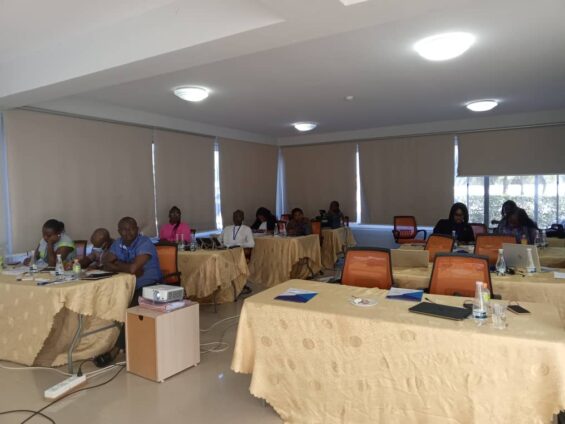
A three-day journalism fellowship has kicked off in Accra, empowering journalists to effectively utilise mass and social media to advocate for enhanced financing of epidemic preparedness through improved reporting on public health emergency financing.
The fellowship seeks to enhance public understanding of public health emergency financing through accurate and in-depth media reporting in Ghana.
The fellowship organized by SEND Ghana with funding from the Global Health Advocacy Incubator (GHAI) seeks to equip 12 selected journalists to advocate better financing for epidemic preparedness and response and raise public awareness.
SEND Ghana's Country Director, Harriet Nuamah Agyemang emphasizes the importance of empowering journalists through capacity-building initiatives, recognizing their pivotal role in shaping policies and driving positive change.
By bringing journalists together, SEND Ghana aims to sensitize them to critical issues and enhance their skills, ultimately leveraging their influence to inform and transform policy decisions.
Experts say journalists can effectively promote national interests and support development when guided by objectivity, accuracy, and neutrality.
CHAI's In-Country Coordinator, Stephen Atasige, states the significance of the fellowship, stating that journalists play a vital role in shaping the narrative through their storytelling and article writing
“Journalists keep the momentum. We can’t continue to do business as usual we need to be deliberate,” he said.
Public health emergency financing refers to the financial resources and systems dedicated to preparing for, responding to, and recovering from public health crises, such as infectious disease outbreaks, natural disasters like floods, droughts, biomedical threats among others.
Key aspects of public health emergency financing in Ghana include funding sources, resource allocation, health infrastructure, surveillance and detection, community engagement, research and development.
To address these challenges, Ghana needs sustainable, transparent, and equitable public health emergency financing mechanisms.
Medical practitioner, Dr. Konadu Asiedu says health financing goes beyond infrastructure or workforce. To ensure sustainable healthcare financing, he said, Ghana should aim to meet the Abuja Declaration target of allocating 15% of its annual budget to the health sector.
“This could reduce reliance on donor funding and enhance service delivery.”
Latest Stories
-
Peru cracks down on illegal gold mining in Amazon reserve with military show of force
2 hours -
NPP polls: Makafui Woanya re-elected as Volta Regional Chairman
2 hours -
NPP polls: List of newly elected NPP regional chairmen
2 hours -
MTN launches Bright Scholars Alumni Network to harness opportunity
3 hours -
Akyem Abuakwa Traditional Council demands apology from Akyemansa DCE over chieftaincy interference
3 hours -
Rescuers search for survivors of powerful Indonesia earthquake
3 hours -
Ghana Prisons Service on manhunt for 29-year-old escapee
3 hours -
Researchers warn Ghana’s coastal erosion could worsen
4 hours -
Morocco detains dozens of migrants trying to cross into Ceuta, reports say
4 hours -
AKSA power deal: Dafeamekpor says Ghana must confront its accountability deficit
4 hours -
AKSA power deal: Baffour Awuah says alleged bribery exposes serious failures in Ghana’s systems
4 hours -
Algeria claim first-ever podium finish after penalty shootout win over hosts Morocco
5 hours -
NPP struggled even in traditional strongholds in 2024 – Annoh-Dompreh
5 hours -
NPP must elect strong parliamentary candidates to reclaim Greater Accra seats – Patrick Boamah
5 hours -
Abdul Rahman retains Upper West NPP chairmanship despite Nandom protest
5 hours