

Audio By Carbonatix
The Chief Examiner of the Faculty of Ophthalmology at the Ghana College of Physicians and Surgeons, Professor Seth Lartey, has once again renewed the call for legislation on tissue and organ donation, specifically focusing on corneas.
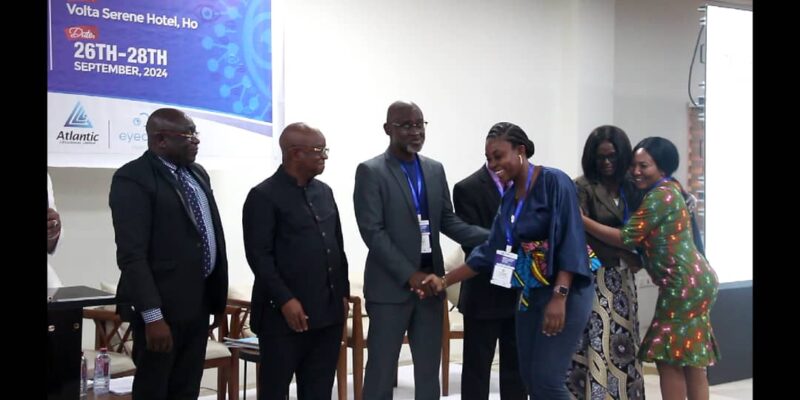
Speaking at the 33rd Annual General and Scientific Meeting of the Ophthalmological Society of Ghana, held in Ho, Prof. Lartey stressed the transformative impact such laws could have on the lives of individuals suffering from corneal blindness, potentially restoring their sight and improving their quality of life.
Corneal blindness remains a significant health challenge in Ghana, particularly affecting individuals in their productive years.

Globally, corneal diseases rank among the leading causes of blindness, and Ghana is no exception.
According to the 2015 Ghana Blindness Survey, corneal blindness accounts for 11% of all blindness cases in the country.
This year’s conference, themed "The Fight Against Corneal Blindness in Ghana: The Journey So Far and The Way Forward," brought renewed urgency to the issue, highlighting the need for stronger policy interventions.
During his address, Prof. Lartey underscored the importance of passing laws that would enable the harvesting and transplanting of organs and tissues, including corneas. “Passing this legislation will allow us to harvest and transplant tissue, restoring quality of life for those affected,” he stated, emphasizing the life-changing impact this could have on individuals living with preventable blindness.

The President of the Ophthalmological Society of Ghana, Dr Dzifa Bella Ofori-Adjei, echoed these sentiments, calling for a robust policy framework to support ongoing efforts in tackling corneal blindness. “A strong policy framework is essential for the continued advocacy and support of these critical health interventions,” she noted, urging stakeholders to prioritize the issue.
Dr Archibald Yao Letsa, the Volta Regional Minister, also highlighted the government's role in expanding the necessary infrastructure and specialized training to support corneal transplants and other essential treatments. “Investing in health infrastructure and specialized training is crucial to tackling blindness and improving healthcare delivery,” Dr Letsa remarked.
As calls for legislative action grow louder, stakeholders are pushing for a future where more Ghanaians can regain their sight through advancements in medical technology and stronger healthcare systems.
The passage of a tissue and organ donation law could be a game-changer, offering hope to thousands across the country who are suffering in darkness.
Latest Stories
-
GPL 2025/26: Dreams FC stage stunning comeback to hammer Eleven Wonders
1 hour -
Livestream: The Probe examines Kumasi’s looming water crisis
2 hours -
MTN Ghana gears up to lead Africa’s AI revolution
2 hours -
Philanthropist Alhaji FuZak donates Da’wah bus to Ambariya Sunni community
2 hours -
GUTA calls for suspension of Publican AI system over trade disruptions
2 hours -
TTAG raises alarm over proposed recruitment of 7,000 teachers, demands national posting roadmap
2 hours -
Civilians feared killed after reports of air strike on Nigerian market
2 hours -
Bishop Simon Kofi Appiah installed as new Jasikan Diocese Bishop
2 hours -
Trump’s Strait of Hormuz blockade threat raises risks and leaves predicaments unchanged
3 hours -
US Court backs extradition of former MASLOC CEO Sedina Tamakloe-Attionu to Ghana
3 hours -
Seven arrested as NAIMOS dismantles illegal mining camp, seizes firearms at Boin River
3 hours -
Fire erupts at Madina Ritz Junction, destroys multiple wooden structures and containers
3 hours -
Daniel-Kofi Kyereh returns from long-term injury, registers assist for Freiburg U23
3 hours -
Knifeman calling himself ‘Lucifer’ slashes three at NYC’s Grand Central
4 hours -
Brands are built from within to without
4 hours