

Audio By Carbonatix
The US has banned the use of a synthetic dye typically added to foods and beverages to give them a bright, cherry-red hue.
Manufacturers will no longer be allowed to use the dye, called red No 3 or red dye 3, after studies linked it to cancer in male laboratory rats, the US Food and Drug Administration (FDA) announced on Wednesday.
While normal exposure to the dye is much lower in humans than in the rats in the studies, US law requires a ban if any link to cancer is found.
The dye is used primarily in candy, cakes, cookies, frozen desserts and frosting as well as some medicines, the agency said.
The ban is a result of a petition filed in 2022 by a number of groups, including the Center for Science in the Public Interest. They argued the dye should be barred due its links to cancer and its widespread use by US consumers, specifically children.
Red No 3 was banned in cosmetics 35 years ago by the FDA. California also banned the additive in food products in October 2023.
It's restricted in countries outside the US, like Australia, New Zealand and the European Union.
The FDA's ban is "long-delayed", said the Center for Science in the Public Interest, a US-based a non-profit consumer advocacy group that has long pushed for the ban.
"At long last, the FDA is ending the regulatory paradox of Red 3 being illegal for use in lipstick, but perfectly legal to feed to children in the form of candy," said the group's president, Dr Peter Lurie, in a statement on Wednesday.
Food manufacturers using red No 3 will have until January 2027 to reformulate their products, while drug manufacturers will have an extra year - until January 2028 - to adjust.
Food imported into the US also will have to comply with the new ban, the FDA said.
Which foods contain Red Dye 3?
Red No 3, also known as erythrosine or red dye 3, has been used in a number of candies, baked goods, fruit products and beverages.
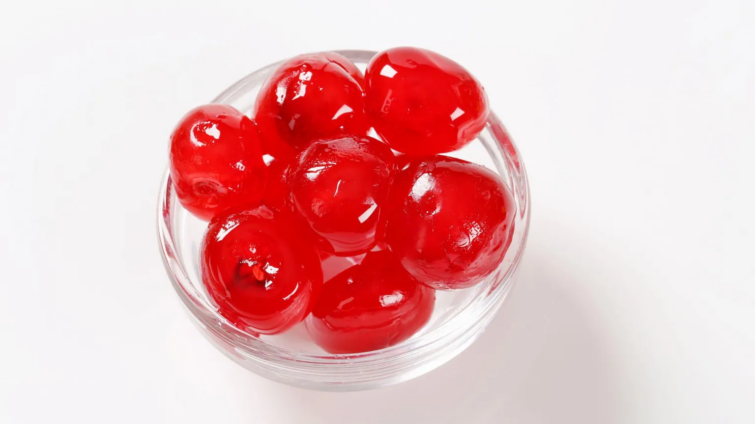
Coloured candies - like Pez - include the additive as an ingredient. It also has been used in toaster pastries, maraschino cherries, and some sodas and fruit-flavoured drinks.
The additive was used in cough syrups and gummy vitamins to give them a bright red colour.
Some manufacturers already have phased out using the dye in their products, like Dole, which eliminated it from its fruit bowls in 2023.
Instead of red dye 3, some companies have started using red dye 40, which is considered a healthier alternative, though one study linked it to an increase in bowel disorders in mice.
Another study by the UK's Food Standards Agency linked red dye 40 to increased hyperactivity in children. The additive was banned in California schools as of last year.
Latest Stories
-
NSMQ 2026: Three schools, one trophy – PRESEC, AUGUSCO and Accra Academy set for grand finale
39 minutes -
Government directs TDC to comply with TMA development control authority
1 hour -
Recognition of reparatory justice creates responsibility for Ghana – Vice President
1 hour -
KNUST SHS defeats Osei Adutwum SHS to win Luv FM High School Debate
1 hour -
Afenyo-Markin, A-Plus unite to restore peace after New Winneba clashes
1 hour -
A-Plus, Afenyo-Markin to visit families affected by New Winneba violence
1 hour -
A-Plus urges calm as authorities move to end New Winneba tensions
1 hour -
Customs explains red, green channels at Accra International Airport
1 hour -
Agyeman‑Rawlings calls for stronger child protection in armed conflict
1 hour -
History made! Accra Academy book first-ever NSMQ final spot after dominant semi-final display
3 hours -
Woman’s decomposed body found in gutter near Haatso DVLA office
3 hours -
Residents of Akaa, surrounding communities demand improved network coverage
3 hours -
‘Chief Justice’s role is to administer justice, not protect any agenda’ – Haruna replies Franklin Cudjoe
3 hours -
PRURide winners to receive GHS 15,000
3 hours -
AMA announces Post-Homowo clean-up exercise for September 5
3 hours