

Audio By Carbonatix
The International Labour Organisation (ILO) and its Global Accelerator Lab (GALAB) Project have organised a review meeting to incorporate child and forced labour indicators into the LEAP Management Information System tool, aimed at reducing poverty in Ghana.
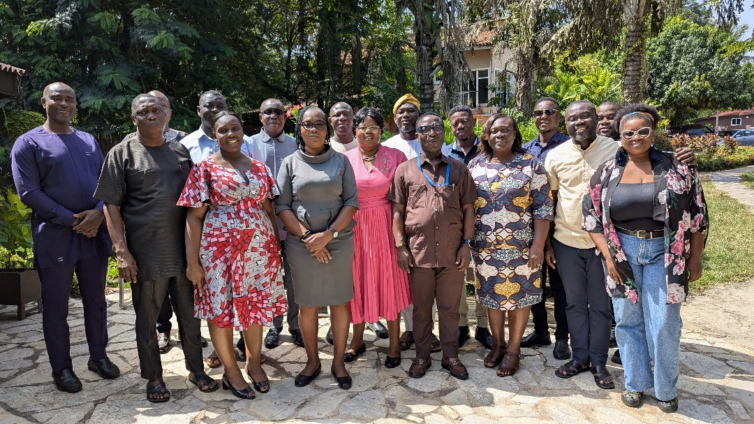
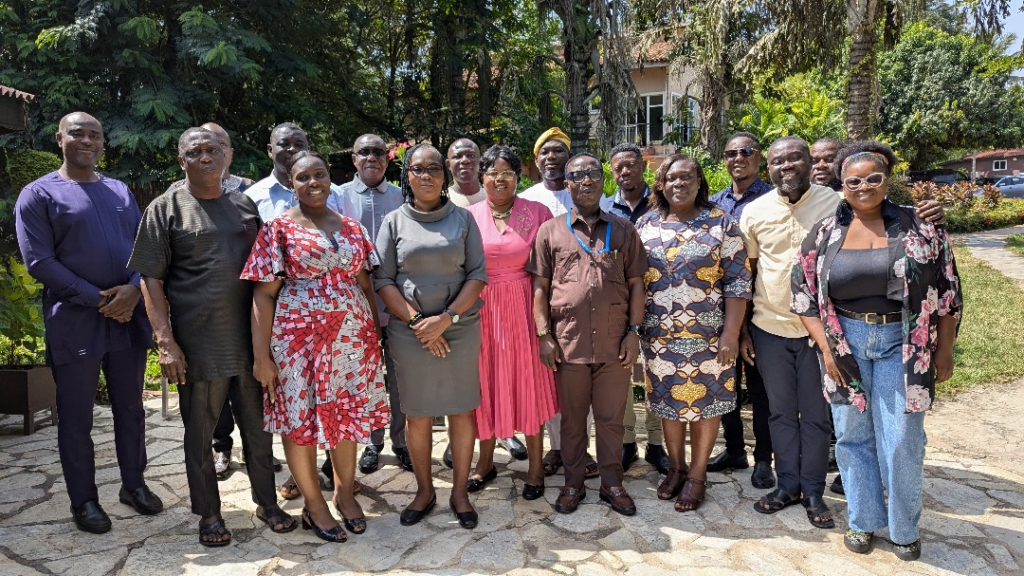
The meeting brought together officials from various organisations, including the Ghana Child Labour Monitoring System (GCLMS) under the Ministry of Employment and Social Welfare, the Ministry of Gender, Children and Social Protection, the Ghana Statistical Service, the Commission on Human Rights and Administrative Justice (CHRAJ), the General Agriculture Workers Union of TUC, the Ghana National Household Registry, MIHOSO, and SEND Ghana.
The objective was to foster inclusive discussions and gather input to identify child labour indicators that could be integrated into the LEAP Programme, which seeks to improve nutrition and basic household consumption for people with severe disabilities, the elderly, and children.
Paul Asamoah Kukwaw, National Programme Officer of the ILO-GALAB Project, explained that child labour is prevalent in several sectors in Ghana, including fishing, mining, herding, and agriculture.
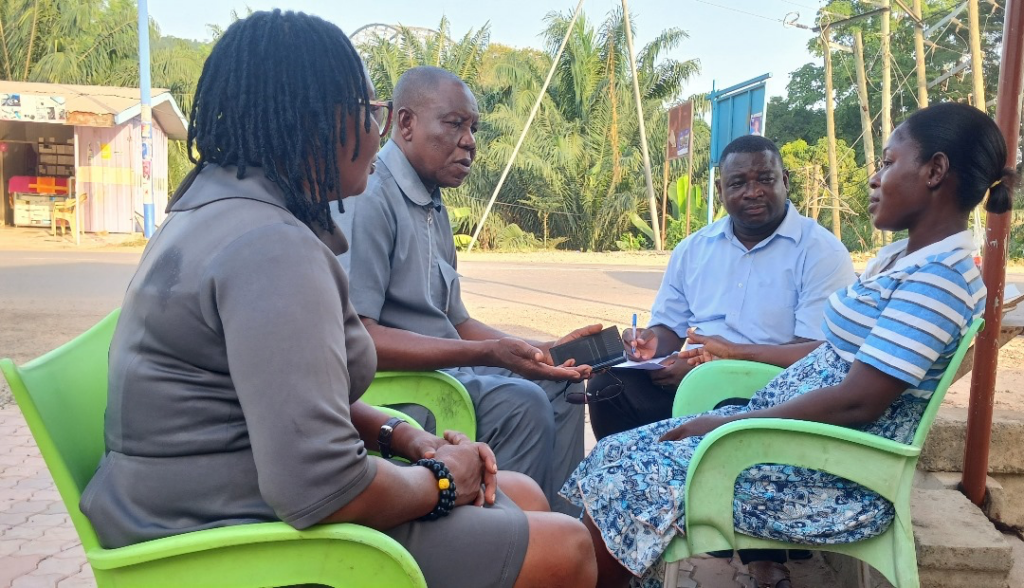
He highlighted that on Lake Volta, one in six children aged six to 14 works under abusive conditions across the fisheries value chain, facing punishment such as starvation and beatings by their employers.
"Many of these children are victims of forced labour, denied access to education, provided inadequate housing and clothing, and controlled through intimidation, violence, and limited access to food," he stated.
The four-year project, funded by the United States Department of Labour (USDOL) and the Bureau for International Labor Affairs, focuses on enhancing national, regional, and district-level capacities to address forced and child labour.
The initiative is being implemented in partnership with government institutions to expand health insurance registration and access, as well as provide livelihood and educational opportunities to vulnerable households around Lake Volta.
Dr Myles Ongoh, Director of the LEAP Management Secretariat, disclosed that approximately 1.5 million individuals across Ghana's sixteen regions are benefiting from the Livelihood Empowerment Against Poverty (LEAP) initiative, a cash transfer program for extremely poor and vulnerable households.
He noted that the bi-monthly cash grant to beneficiaries has been increased by 100% due to socio-economic challenges that have led to rising prices of goods and services.
"A single eligible household member will now receive GH¢128 instead of GH¢64. Two eligible household members will receive GH¢150 instead of GH¢76, while households with three eligible members will receive GH¢176 instead of GH¢88.
Households with four or more eligible members will receive GH¢212 instead of GH¢106," he stated.
Abena Dufie Akonu-Atta, Case Manager for the Social Welfare Information Management System (SWIMS), stated that poverty is the primary driver pushing children into the workforce in Ghana.
"When families cannot meet basic needs such as food, water, education, and healthcare, they are compelled to send their children to work to supplement household income," she said.
She stressed that poverty is interconnected with factors such as low literacy rates, lack of decent work opportunities, and conflicts.
To address this, the Social Welfare Information Management System (SWIMS), an online digital case management system administered by the Ministry of Gender, Children and Social Protection (MoGCSP), has been introduced to combat child and forced labour in Ghana.
Anthony Oduro-Denkyirah, a statistician with the Labour Statistics Unit of the Ghana Statistical Service, revealed that nearly 900,000 children aged 5 to 17 years are engaged in paid employment across the country.
"Approximately 893,000 children are involved in employment, with 72% residing in rural areas and 28% in urban areas. It is time to ensure that our children have full access to education, healthcare, and protection from exploitative and harmful labour," he emphasized.
Latest Stories
-
“No Nation is Inferior”: Mahama champions human dignity and security council reform at the UN
3 minutes -
Manhyia South residents, NPP executives fume over botched EOCO arrest of MP
13 minutes -
Mahama unveils new deal with global philanthropy
20 minutes -
Daily Insight for CEOs: Building customer-centric leadership
28 minutes -
Democracy must deliver food, jobs and healthcare, not just elections – Mahama
28 minutes -
Capacity constraints must never be a barrier to restitution – Mahama
30 minutes -
COMAC pushes for suspension of sections of Customs Act 2026
32 minutes -
Mahama calls for Great African Museum to anchor continent’s heritage revival
34 minutes -
Mahama cites return of Mpomponsuo sword as model for restitution
35 minutes -
Mahama: Africa must inherit more than the story of what it lost
37 minutes -
Mahama pushes for permanent UN system for restitution of African artefacts
39 minutes -
Ghana is arguably Africa’s most stable democracy, says Mahama
40 minutes -
Mahama calls for investment in Africa’s cultural infrastructure
40 minutes -
‘Africa’s cultural heritage story must continue with its return’ – Mahama insists
44 minutes -
Some reporters denied White House access despite judge overturning Trump media ban
44 minutes