

Audio By Carbonatix
The World Health Organisation (WHO) has deployed a team of health experts to Uganda to support the country's response to a confirmed outbreak of Sudan virus disease, a viral illness similar to Ebola.
Uganda has reported its first confirmed case of Sudan virus disease: a nurse from Mulago National Referral Hospital in Kampala.
No other health workers or patients are showing symptoms. 45 contacts, including health workers and family members, are under close monitoring. The urban location of the case necessitates a rapid and intense response.
To accelerate early response, WHO has allocated $1 million from its Contingency Fund for Emergencies. The funding will facilitate the rapid deployment of medical supplies, including personal protective equipment (PPE), from WHO's Emergency Response Hub in Nairobi.
Although there are no licensed vaccines available for Sudan virus disease, WHO is working closely with developers to deploy candidate vaccines as an additional public health measure.
These vaccines will be rolled out once all necessary administrative and regulatory approvals are obtained.
WHO Regional Director for Africa, Dr Matshidiso Moeti stated that a comprehensive response is being established, and the organisation is supporting the government and partners to scale up measures to quickly identify cases, isolate and provide care, curb the spread of the virus and protect the population.
“Uganda’s robust expertise in responding to public health emergencies will be crucial in ending this outbreak effectively,” he said.
There have been eight previous outbreaks of the Sudan virus disease, with five occurring in Uganda and three in Sudan. Uganda last reported an outbreak of Sudan virus disease in 2022.
“Banking on the existing expertise, we are accelerating all efforts, including expertise, resources and tools to save lives and bring the outbreak to a halt swiftly,” said Dr Kasonde Mwinga, WHO Representative in Uganda.
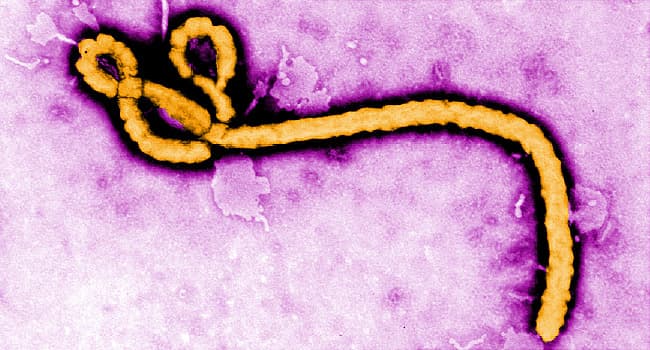
Sudan virus disease is a deadly viral illness that affects humans and primates, caused by the Sudan virus, a close relative of the Ebola virus.
Historical outbreaks of Sudan virus disease have reported mortality rates ranging from 41% to 100%. Currently, there are no licensed treatments or vaccines available.
However, providing supportive care early on has been proven to substantially decrease the number of fatalities.
Latest Stories
-
Ghana’s growing youth population could become unemployment time bomb — Alan Kyerematen warns
3 minutes -
Ghana signs agreement with Intel to expand AI for Youth programme
4 minutes -
AFCON 2027Q: ‘Our goals are clear’ – Carlos Queiroz on qualification
4 minutes -
Use legal means to achieve legal ends – Kyei-Mensah-Bonsu on MP’s attempted arrest
6 minutes -
Government pledges support for fashion industry through skills, technology and market access
13 minutes -
Gender Minister joins First Lady at OAFLAD summit as Ghana pushes stronger support for women, children
14 minutes -
Black Queens defender Susan Ama Duah signs for Mexican side Tigres
15 minutes -
Carlos Queiroz’s real test begins as Ghana face Côte d’Ivoire in Bouaké
15 minutes -
Social Audit Committee monitoring helping improve development projects in Tano North – Mehoso CEO
18 minutes -
IFC, LMI Holdings expand partnership to power Ghana’s industrial growth
29 minutes -
Ashanti Regional Police arrest two foreign nationals over alleged kidnapping and murder of Senegalese goalkeeper Cheikh Toure
31 minutes -
Rein in NIB over attempted arrest of Baffour Awuah – Kyei-Mensah-Bonsu
32 minutes -
Black Queens captain Portia Boakye joins Mexico’s UNAM Pumas
42 minutes -
Attempted arrest of Baffour Awuah was unjustified and dangerous – Kyei-Mensah-Bonsu
43 minutes -
La Shikitele Nii Adjei Koofeh IV denies responsibility for Laboma Beach Resort demolition
48 minutes