

Audio By Carbonatix
The second Economic Community of West African States (ECOWAS) Lassa Fever International Conference (LIC), scheduled for September 22–26 this year in Côte d'Ivoire, will focus on outbreak management systems and promoting multisectoral collaboration.
The conference, organized by ECOWAS through its health body, the West African Health Organisation (WAHO), also seeks to strengthen sustainable preparedness and regional coordination for Lassa fever by boosting research and development (R&D) capabilities.
Themed "Beyond Borders: Strengthening Regional Cooperation to Combat Lassa Fever and Emerging Infectious Diseases," the 2025 edition will bring together policymakers, researchers, healthcare professionals, and key stakeholders to enhance regional coordination, discuss scientific advancements—including promising Lassa vaccine candidates entering clinical trials—and develop a more sustainable and collaborative approach to preventing and controlling Lassa fever across West Africa.
This event will build on the groundwork laid during the first edition hosted by the Nigeria Centre for Disease Control in Abuja in 2019.
The conference will include a range of sessions, such as plenary discussions led by regional and international health leaders and key partners, focusing on financing mechanisms, cross-border and multisectoral coordination. It will also feature panel discussions on vaccine research, community surveillance, and parallel sessions covering operational research and environmental topics.
The conference will also feature interactive workshops on outbreak communication and abstract presentations highlighting the latest scientific research on Lassa fever. Additionally, the second ECOWAS LIC will provide cross-country learning opportunities, allowing experts to share insights from managing other emerging infectious diseases, such as MPOX, to develop more effective and sustainable strategies for Lassa fever prevention and control.
Experts highlight weaknesses in West Africa’s health systems amid recurring Lassa fever outbreaks
Experts argue that since the discovery of Lassa fever, the disease has revealed significant vulnerabilities in the region’s health systems. Despite being recognized as a priority disease by the World Health Organization (WHO), outbreaks continue to follow a cycle of temporary containment, followed by new outbreaks. This highlights the pressing need for sustainable preparedness that emphasizes not just response efforts, but also research, coordination, and strengthening health systems.
There are growing concerns that no single country can tackle the challenges posed by Lassa fever and emerging infectious diseases on its own, as frequent cross-border movement has accelerated the spread of these diseases.
Experts emphasize that by sharing data, resources, and expertise, countries can improve their response times and effectiveness, ultimately reducing the impact of Lassa fever and strengthening regional health security.
Director General of WAHO, Dr. Melchior Athanase AÏSSI, said that Lassa fever remains a persistent threat to populations, severely affecting health, lives, and economies. Endemic in several West African countries, the disease causes between 100,000 and 300,000 infections annually, with approximately 5,000 deaths.
He also noted that recent predictions suggest climate change could put up to 600 million people at risk of contracting Lassa fever, emphasizing the urgent need for heightened vigilance and preparedness.
“Recent predictions indicate that factors such as climate change could put up to 600 million people at risk of contracting Lassa fever. This projection underlines the need for increased vigilance and preparedness,” he said.
Lassa Disease Programme Lead at the Coalition for Epidemic Preparedness Innovations (CEPI), Dr. Katrin Ramsauer, acknowledged the significant progress made in recent years in the fight against Lassa fever. She emphasized that the upcoming conference, under WAHO's leadership, presents a crucial opportunity for scientists and global health experts to share new insights and identify remaining research gaps that require action.
“Their discussions will help shape the Lassa fever research agenda in years to come which is set to have a direct impact on our future response to Lassa fever outbreaks - now becoming larger and more frequent as climate change and population growth in the region continue.”
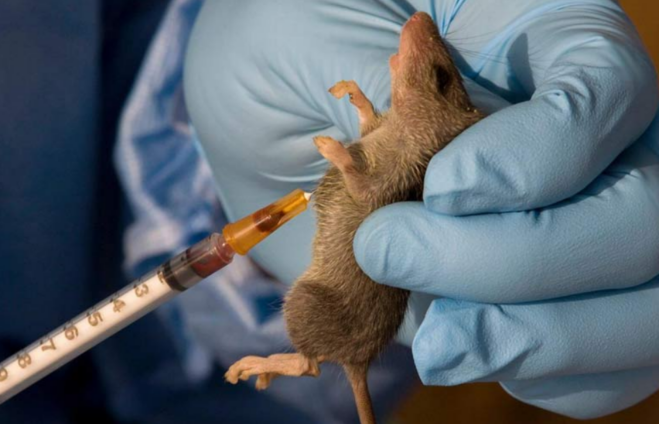
Lassa fever is a viral hemorrhagic disease that is endemic to West Africa, with Nigeria, Liberia, Sierra Leone, and Guinea being among the hardest-hit countries.
WAHO calls on experts to join conference aimed at strengthening regional health security against Lassa fever.
Latest Stories
-
‘The first game was weird’ – Sampson reflects on Black Princesses’ Ecuador defeat
1 hour -
Ghana can fix its energy sector without IMF, World Bank – PUWU
1 hour -
Charles Sampson demands more confidence in front of goal from Black Princesses
1 hour -
‘We have shaken it up’ – Sampson says Black Princesses ready to redeem themselves
2 hours -
ECG revenue is improving, so what has changed? – PUWU challenges World Bank
2 hours -
Herbert Mensah takes Africa’s sports economy case to the UN General Assembly Week in New York
2 hours -
Oil nears $100 as fresh Middle East strikes raise supply risks
2 hours -
US strikes Iranian oil tankers as Tehran targets American base in Jordan
4 hours -
Tiafoe consoles tearful Michelsen after remarkable comeback
4 hours -
Sabalenka fights back to keep US Open defence alive
4 hours -
Parrott scores again as Betis beat 10-man Lille
5 hours -
Mbappe goes joint-fifth in the list as real Madrid beat Inter Milan
5 hours -
Police arrest suspects over murder, bank robberies, gold-related attacks
5 hours -
Pragyia rider gets three months prison term for biting Police Assistant
5 hours -
Palm wine tapper jailed for stabbing farmer
5 hours