

Audio By Carbonatix
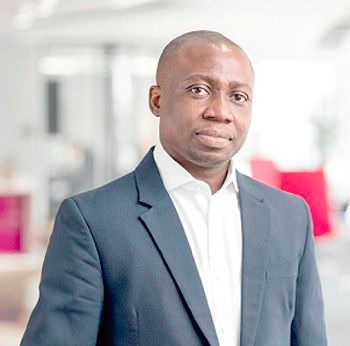
Tax Partner at PwC, Abeiku Gyan-Quansah, has raised concerns over the inefficiencies in Ghana’s property rate collection system, emphasizing the need for a comprehensive restructuring to improve compliance and revenue generation. Speaking on the Joy Business Economic Dialogue, Mr. Gyan-Quansah highlighted the challenges in tax administration and called for simplified tax collection platforms to enhance efficiency.
"Dealing with property rates should have been relatively easier than handling income taxes," he noted. "Unlike income taxes, where individuals can find ways to evade payments, property rates are tied to physical, traceable assets. However, despite this, we continue to face significant challenges in collection."
One of the major issues, according to Mr. Gyan-Quansah, is the difficulty in registering property ownership, which hinders tax compliance.
"Many property owners struggle to obtain official titles for their properties. If the government does not restructure the system to ensure people can easily claim ownership of their properties, they will always find reasons to avoid paying property rates," he explained.
He also noted the inconsistent role of the Ghana Revenue Authority (GRA) in assisting Metropolitan, Municipal, and District Assemblies (MMDAs) in tax collection.
"The GRA initially stepped in to support property rate collection, but as we understand it, that assistance has been scaled back. Now, the assemblies have taken back the responsibility, but the question remains—how effective are they in implementing it?"
Mr. Gyan-Quansah stressed that local assemblies must play a more active role in ensuring efficient property tax collection and service delivery.
"Assemblies should ensure that property registration is straightforward and accessible. If people can easily register their properties, they will have fewer excuses for avoiding payment," he said.
Drawing comparisons with international practices, he pointed out the crucial role property rates play in funding local development.
"In places like the UK, a significant portion of community development projects is funded through property taxes. However, in Ghana, people expect the central government to fix roads, drainage systems, and other infrastructure. When they do not see results, they use it as a justification for not paying property rates."
Mr. Gyan-Quansah further argued that the government's ability to enforce tax collection is directly linked to how efficiently public funds are utilized.
"If we don’t put the expenditure basket to good use, people will always find reasons to avoid paying taxes," he concluded.
Latest Stories
-
Black Princesses Coach Charles Sampson confident ahead of World Cup opener against Ecuador
6 minutes -
TV presenter among 12 sentenced to death in Egypt drugs case
9 minutes -
Accra Airport VIP Lounge project to be completed this year without taxpayer funds – Ablakwa
43 minutes -
NPP clears all 47 aspirants for 2026 national officers’ election
55 minutes -
Domelevo backs OSP probe into GH¢70k allegation
2 hours -
CAF Confederation Cup: Dennis Korsah confident Nations FC can overturn Mali defeat
2 hours -
Chief Justice should stop commenting on some political issues – Domelevo
3 hours -
‘I don’t trust OSP’ to probe GH¢70k ‘bribe’ allegation – Kwasi Kwarteng
3 hours -
Road inspections not to witch-hunt contractors – Kwame Agbodza
3 hours -
Inter Milan mount stunning comeback to beat Napoli
3 hours -
Modric plans to play for Croatia past 41st birthday
4 hours -
Bayern fail to score for first time in 59 games
4 hours -
Bawumia preparing new cocoa policy package for farmers – Annoh-Dompreh
4 hours -
Wa-Tumu-Bolga road upgrade will unlock agriculture, trade – Agbodza
4 hours -
Ghana Maritime Authority readies oil-spill response vessel for deployment
4 hours