

Audio By Carbonatix
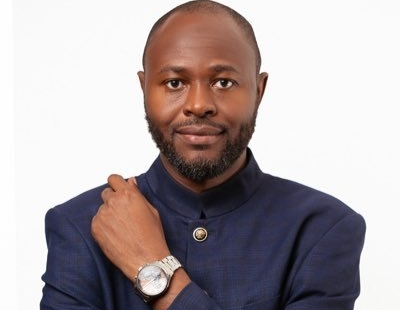
Renowned Ghanaian playwright and CEO of Globe Productions, Latif Abubakar, has proposed a comprehensive plan to reposition Ghana's creative arts sector as a key driver of economic growth.
In a speech delivered to mark this year’s World Theatre Day celebration in Ghana, Abubakar emphasised the need to harness the country's rich cultural heritage and creative talent to generate significant revenue, create jobs, and promote Ghana's image globally.
"The time has come for Ghana to recognize and fully harness the creative economy as a key pillar of economic growth," Abubakar stated. "Globally, the creative economy is one of the fastest-growing sectors, contributing over $2.25 trillion to the global GDP and employing over 30 million people worldwide."
Abubakar highlighted the immense potential of Ghana's creative sector, citing the success of musicians like Black Sherif, Sarkodie, and Stonebwoy, who have gained international recognition and earned millions from streaming platforms, global tours, and brand partnerships.
"If we truly believe in the power of our stories, we must do more than tell them, we must sell them, protect them, and build industries around them," Abubakar stressed.
To unlock the full potential of the creative sector, Abubakar proposed focusing on four key areas:
Investment in the Creative Industry
He called on the government to recognise the creative sector as a key pillar of economic growth and allocate funding accordingly. Public-private partnerships (PPPs) should be established to develop world-class theatre spaces, film production studios, and music distribution platforms.
Digital Monetization and Global Reach
He’s also proposing the setting up of an office to guide content creators on how to leverage digital platforms like Netflix, Showmax, YouTube, Spotify, and Apple Music to monetize their work globally.
Entrepreneurship and Business Skills Development
The young playwright wants business training to be provided to creative professionals to help them manage their brands, negotiate contracts, and scale their businesses.
Policy Reforms and Enabling Environment
He also called for tax incentives to be introduced for businesses that invest in the creative arts, and laws should be enforced to protect Ghanaian content creators from piracy and exploitation. "Let us move from content to currency, from potential to profit, and from dreams to economic reality!" Abubakar concluded.
By implementing these measures, Mr Abubakar believes that Ghana can unlock the full potential of its creative sector, generate significant revenue, and create jobs, ultimately repositioning the country as a major player in the global creative economy.
Latest Stories
-
Trump says he is considering firing US ambassador to Greece
3 hours -
Man City bananas ‘brought fun back’, says Varadi
3 hours -
Meta releases Muse Wonder AI models to challenge Anthropic and OpenAI
4 hours -
Daily Insight for CEOs: The CEO as Chief Decision Maker
4 hours -
Burnham had formal meeting with Man City chair while mayor
4 hours -
Is Ghana producing too many lawyers? What is the best lawyer-to-citizen ratio?
4 hours -
NDC sinking Ghana’s democracy with Emelia Agbenyo’s appointment – Miracles Aboagye
4 hours -
Seedorf back in football as Corinthians head coach
4 hours -
Hincapié and Zubimendi injured in post-match training session
4 hours -
Fridges in French supermarkets hit by cyberattack
4 hours -
Qantas flight grounded after bedbug outbreak
5 hours -
Reality Zone with Vicky Wireko: International Day of the Girl, shaping today’s girl for tomorrow’s future – ZONTA Clubs lead the way
5 hours -
Global health must be led by countries, not designed for them – Mintah Akandoh
6 hours -
Mahama honoured at 2026 World Health Summit in Berlin for global health leadership
6 hours -
Breast cancer is not a death sentence – Besease Kontire Obaapanin, Magmina Foundation lead awareness campaign
6 hours