

Audio By Carbonatix
Ghanaian cement retailers face growing difficulties, with widespread shortages of cement brands limiting builders’ access to essential materials.
Behind this disruption lies a severe shortage of clinker, a crucial raw material imported for cement production.
The current clinker scarcity and its escalating prices stem from a complex interplay of international supply chain disruptions and evolving global market uncertainties, including an increase in the export prices from the Mediterranean rim, a major clinker source.
For Ghana, Africa’s largest clinker importer, these global dynamics directly translate into supply shortages and higher costs, ultimately affecting cement availability and prices for retailers and consumers.
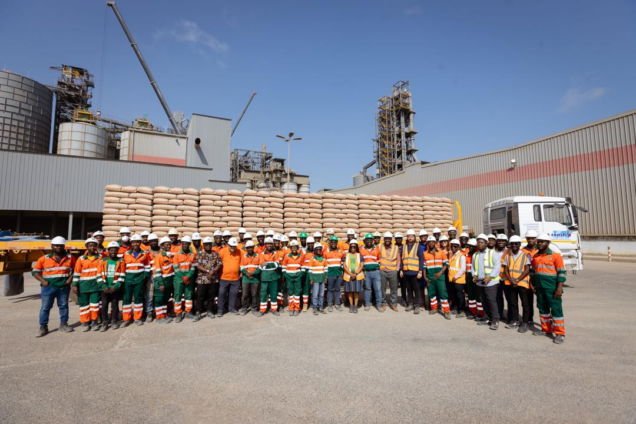
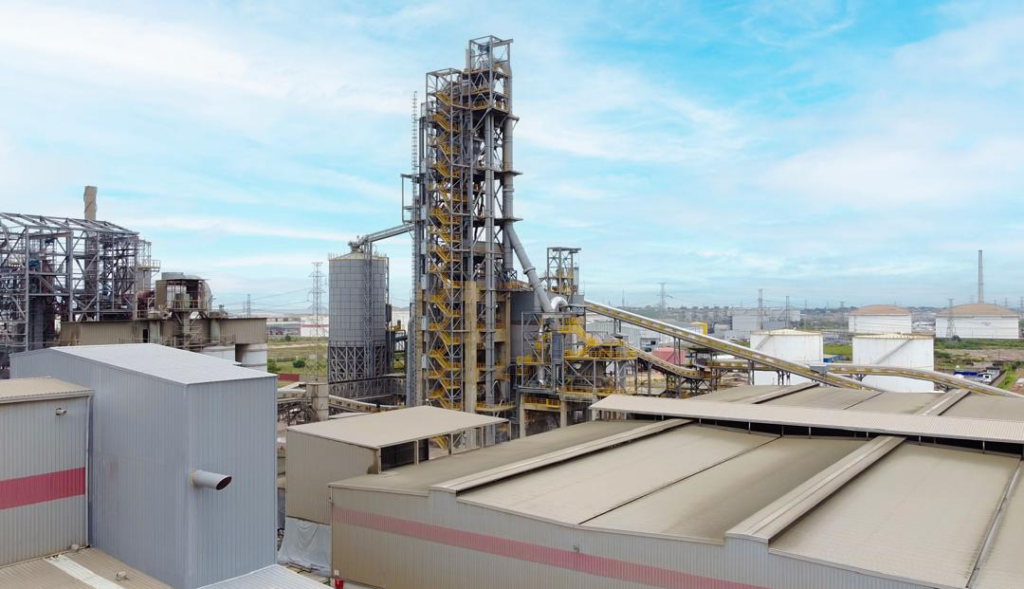
However, a significant development offers a path to greater self-sufficiency. Supacem Cement has built the world’s largest LC3 plant in Tema, a project that provides a homegrown solution to the clinker problem by tapping into Ghana's abundant raw material resources as a substitute for imported clinker.
Breaking Free from Imported Clinker Reliance:
Ghana's cement industry relies heavily on imported clinker, leaving it vulnerable to foreign supply problems and volatile global markets. Supacem's $100 million investment in LC3 technology is a key step towards using local raw materials.
The new plant processes locally-sourced raw materials to create a reactive material that partially replaces clinker in cement production, reducing the need for costly and logistically complex clinker imports.
A Foundation in National Standards:
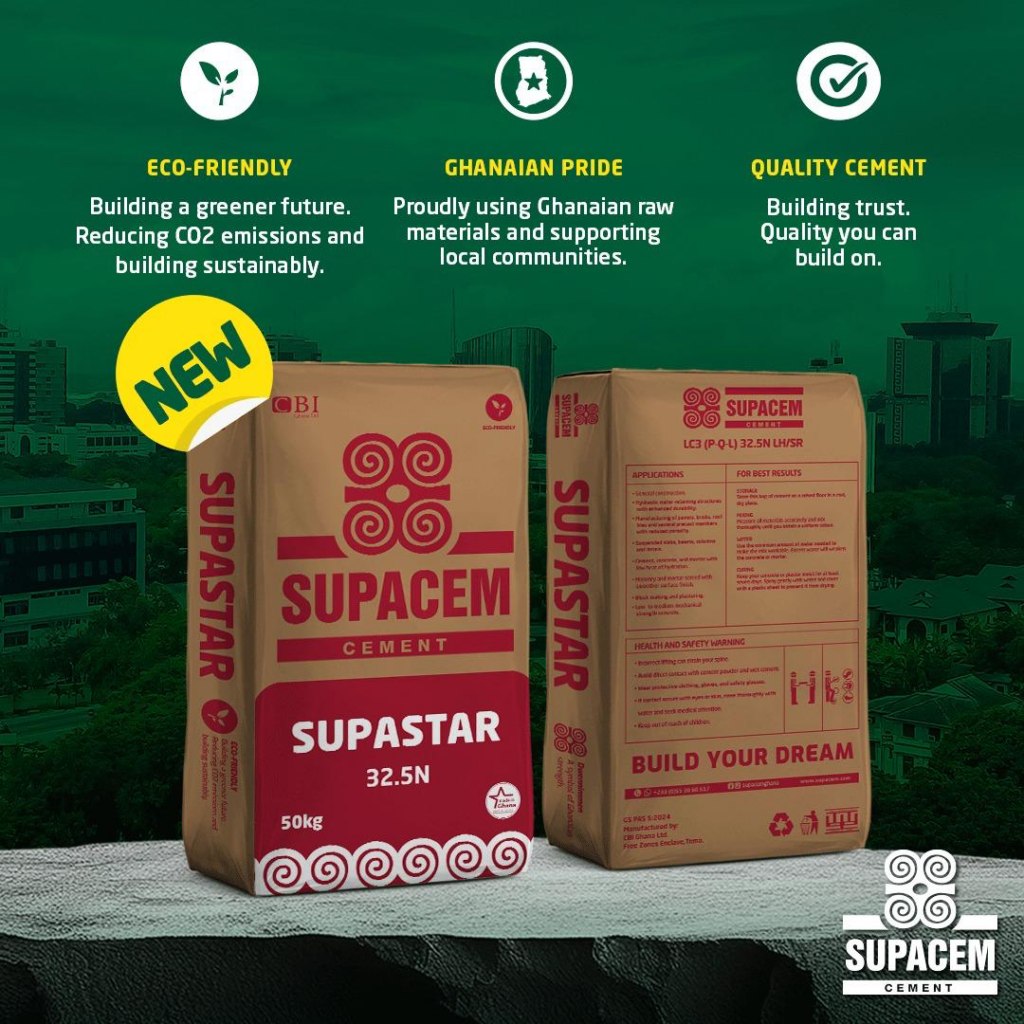
A significant step in enabling this innovation has been the Ghana Standards Authority’s adoption of the latest LC3 standard in 2024.
This landmark achievement followed two years of collaboration between Ghanaian institutions like KNUST, the University of Ghana, and Ghana's BRRI, alongside various international universities and laboratories. This new standard, GS PAS 5:2024, paves the way for the widespread use of this more sustainable and locally-sourced cement.
Benefits for Ghanaians:
Supacem's innovative approach, now supported by national standards, brings numerous benefits to Ghanaians and our economy:
Reduced Cement Shortfalls: By producing a significant portion of their own cementitious material, Supacem reduces the impact of clinker shortages, leading to a more reliable cement supply for Ghanaian retailers and builders.
Economic Growth and Job Creation: The project has created over 160 direct jobs through local sourcing and infrastructure development in Tema and Torgome, Supacem is also empowering local women through training programs.
Cost-Effective and Potentially More Affordable Cement: While recent price increases stemmed from port charges, a more cost-effective raw material supply chain could provide greater price stability and cement affordability.
Environmental Sustainability: The production of LC3 significantly lowers CO2 emissions compared to traditional cement production. This supports Ghana's climate action commitments and contributes to a greener future.
Increased Local Expertise: Supacem's investment in a world-class cement laboratory is developing Ghanaian talent in advanced LC3 technology. This positions Ghana at the forefront of sustainable cement production in Africa.
Stronger Local Economy: By reducing reliance on imports and adding value to local raw materials, Supacem's project strengthens Ghana's economy and reduces its vulnerability to external economic factors.
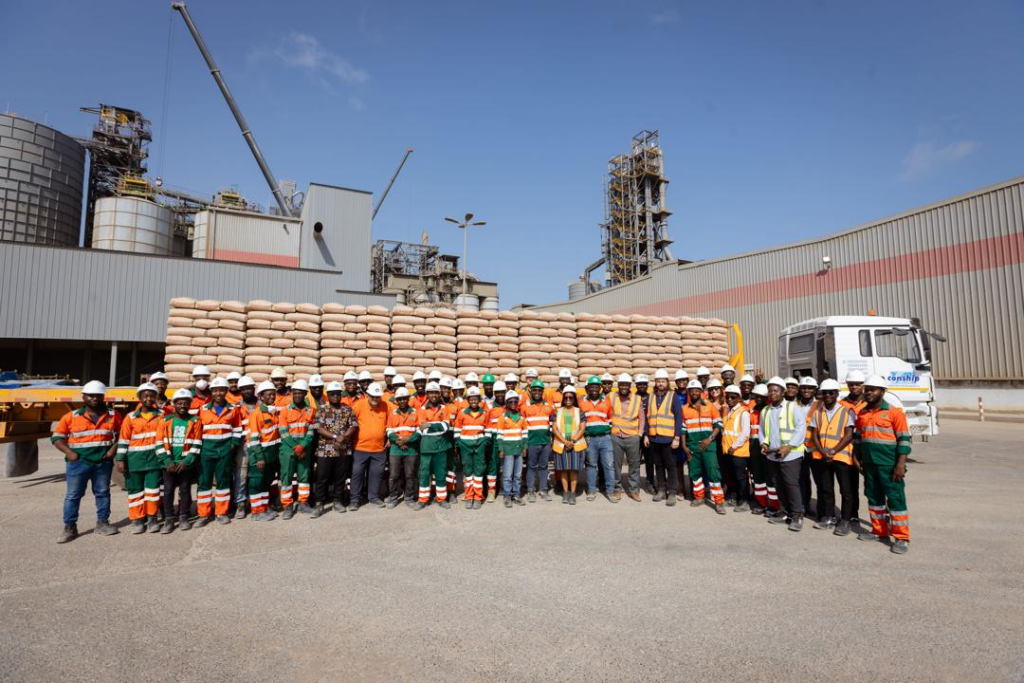
Supacem has taken the lead in transforming Ghana's cement industry. The company has extended its supply of locally produced LC3 raw materials to Ghacem, Ghana’s largest manufacturer.
This move further reduces clinker imports and highlights Supacem's commitment to industry-wide sustainability and building a more resilient and self-sufficient cement sector in Ghana.
Emmanuel Cherry, CEO of the Ghana Chamber of Construction Industry, has called for the exploration of local alternatives for clinker. Supacem's investment, supported by the GSA's adoption of the LC3 standard, answers this call, showing the potential of Ghanaian ingenuity and resources to address critical industry needs.
Supacem's bold initiative offers a tangible solution to the current cement shortage and builds a foundation for a more sustainable, self-reliant, and environmentally responsible cement industry in Ghana.
This major step by a Ghanaian company is about building infrastructure and a stronger, greener, and more prosperous Ghana.
Latest Stories
-
Muzic Mensah selected for Boomplay’s inaugural ‘NEXT WAVE’ Programme
3 hours -
Prime Insight to tackle legal vacation controversy and $1million AKSA bribery case
4 hours -
Ghanaian evacuee from South Africa dies on arrival in Accra
4 hours -
POS Foundation raises alarm over student cohabitation, sexual harassment on university campuses
5 hours -
Nandom NPP primary heats up as four candidates enter 2028 race
5 hours -
Mangione admits killing healthcare CEO and pleads guilty to federal charges
6 hours -
The Invite to The Odyssey: 12 of the best films of 2026 so far
6 hours -
Ayra Starr on her secret relationship and teasing Stevie Wonder
6 hours -
NPP Ashanti holds vigil in support of Wontumi as lawyers appeal conviction
6 hours -
TCDA targets higher crop yields as farmers receive inputs
6 hours -
Kofi Amoako Attah inducted into 11th Corporate Ghana Hall of Fame
6 hours -
Newsfile to discuss AKSA energy deal, legal vacation and GoldBod losses
7 hours -
Gushegu MCE says slain Yiidana was targeted as police investigate killing of chief and son
7 hours -
President Mahama reiterates commitment to link regional capitals with good roads
7 hours -
Ex-Cambridge professor at centre of plagiarism row found dead
7 hours