

Audio By Carbonatix
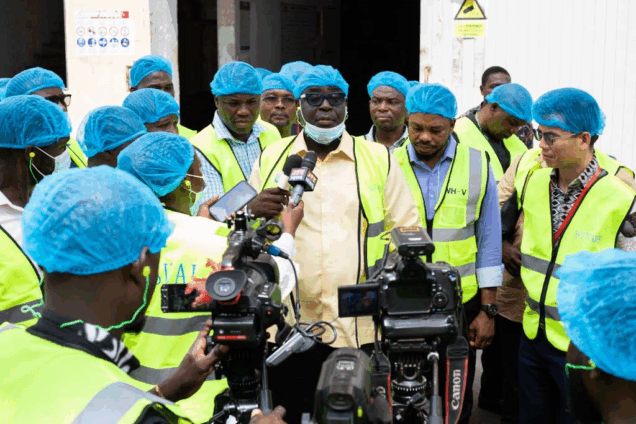
Ghana’s local manufacturing industry is sounding the alarm over a growing public health threat posed by the influx of low-quality imported baby diapers.
Industry leaders are calling on the government to declare the situation a national public health emergency.
An industry executive warned that many of these imported diapers lack essential safety information and are produced without proper regulatory oversight, exposing infants to serious health risks.
“This is not merely an industry concern—it is a threat to the nation’s children and, therefore, the future of Ghana,” he said.
With approximately 800,000 babies born in Ghana each year and millions of diapers consumed annually, the stakes are high.
Experts say continued exposure to substandard diapers could lead to skin disorders, infections, and other serious medical conditions among infants.
The issue is not only a health concern but also an economic one. Ghana imports over 300 million diapers annually, leading to an estimated loss of $2.2 million due to under-declaration and weak regulation.
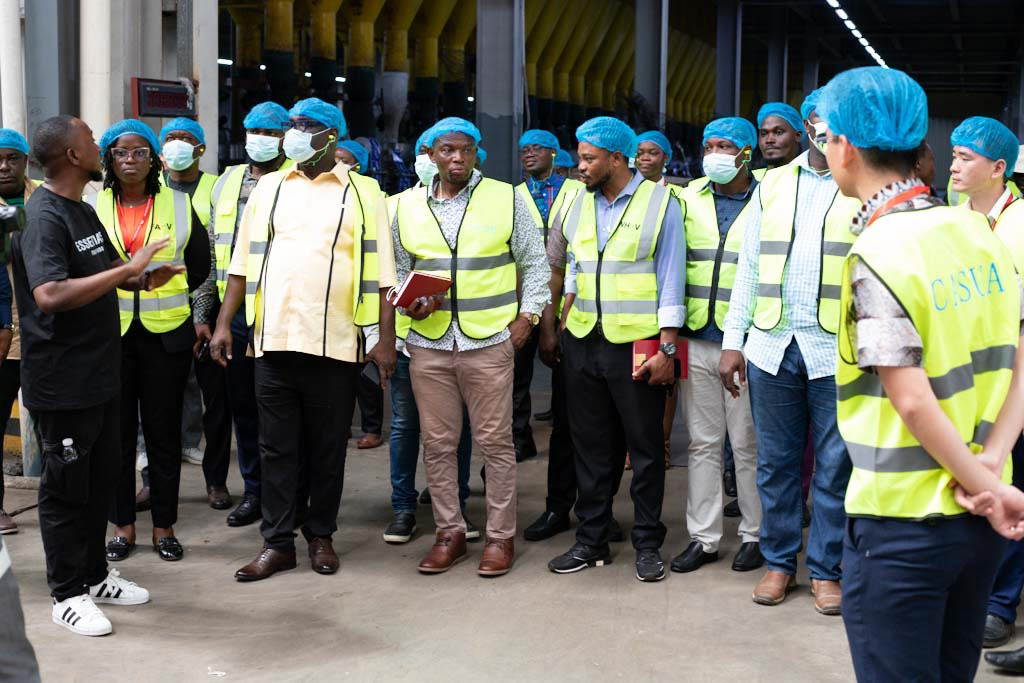
Local manufacturers argue that Ghana can meet domestic demand. The sector boasts an annual production capacity of three billion diapers—three times the country’s needs, making the case for curbing unnecessary and inferior imports.
Key recommendations from the industry include:
- Banning the importation of substandard diapers at the source.
- Enforcing strict pre-shipment inspections and boosting market surveillance.
- Increasing tariffs on finished consumer goods to protect the local industry.
- Officially designating substandard diaper imports as a national health threat.
Parliamentary and Association of Ghana Industries (AGI) leaders have pledged their support for stronger enforcement and policy reform.
Parliamentary representatives emphasised the urgent need to protect public health, while AGI officials underscored the readiness of local manufacturers to meet national demand if given a fair playing field.
The manufacturing sector says it remains committed to working with government and regulatory agencies to ensure Ghanaian children are protected by access to safe, high-quality products.
Latest Stories
-
Newsfile to discuss AKSA energy deal, legal vacation and GoldBod losses
14 minutes -
Gushegu MCE says slain Yiidana was targeted as police investigate killing of chief and son
28 minutes -
President Mahama reiterates commitment to link regional capitals with good roads
29 minutes -
Ex-Cambridge professor at centre of plagiarism row found dead
32 minutes -
ORAL doing fantastic job, Ghanaians will see results soon – Attorney General
37 minutes -
TEWU gives government two weeks to address non-teaching staff grievances or face industrial action
51 minutes -
Corruption must never pay, Ghana must act – Dr Kofi Amoah charges Mahama
1 hour -
Nene Tek returns: a new chapter, a deeper sound and a bigger vision
1 hour -
Black Star International Film Festival outlines four pillars for 2026
1 hour -
Peace Council urges restraint over religious controversies to prevent tensions
2 hours -
Empower Vault Summit challenges Ghana’s youth to embrace purpose, leadership and opportunity
2 hours -
Fuel prices set to witness mixed reviews at pumps from August 16, 2026
2 hours -
GRA signs partnership with UK counterpart to strengthen customs protection
2 hours -
Rethink MMDCE elections – Dr Tando proposes MP-led appointment model
2 hours -
Rethink MMDCE elections – Dr Tando proposes MP-led appointment model
3 hours