

Audio By Carbonatix
Communities in Ghana’s Upper East and Upper West regions are expected to benefit from a set of interventions under the newly launched BORDER Project, spearheaded by World Vision Ghana.
The initiative, which aims to promote development and strengthen regional stability, is being implemented in collaboration with RACED Ghana and with funding support from the PATRIP Foundation.
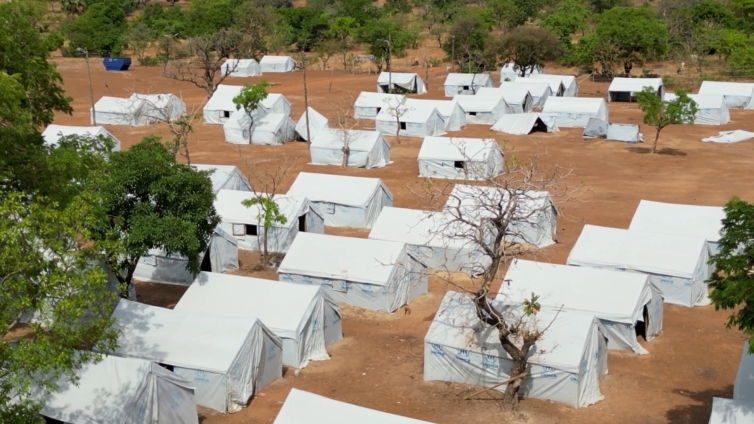
The project is targeting some of the most vulnerable areas along Ghana’s northern frontier, including Zini, Fielmo, and the Zini Refugee Camp in the Sissala West District; Bansi and Issakatinga in the Binduri District; and Tarikom along with the Tarikom Refugee Camp in the Bawku West District.

These communities were selected due to their growing exposure to climate shocks, severe food insecurity, environmental degradation, and an increasing influx of refugees from neighbouring Burkina Faso. The strain on already limited resources has intensified socio-economic pressures, heightening the risk of social tensions and threatening local peace and cohesion.
A press statement issued on May 16, 2025, revealed that the BORDER Project will directly benefit 19,219 individuals comprising 13,454 Ghanaians and 5,765 Burkinabe refugees and is expected to indirectly impact an additional 33,657 residents across the five target communities and two refugee settlements.
Key interventions under the BORDER Project include the provision and rehabilitation of solar-powered water systems, construction of biofill ecological sanitation facilities for homes, schools, and health centres, refurbishment of healthcare facilities, with a focus on maternal and child health, establishment of drip irrigation systems to support year-round farming and training of farmers in climate-smart agricultural techniques.
It also seeks to promote sustainable land use through Community Resource Management Areas (CREMAs) and build capacity for traditional leaders, local authorities, and security personnel in peace building and conflict resolution.
The BORDER Project is aligned with Ghana’s National Development Plan 2030, the United Nations Sustainable Development Goals (SDGs), and the Gulf of Guinea Joint Response Plan.
By investing in essential infrastructure and building the capacity of local communities, the initiative seeks to trigger a lasting ripple effect of peace, prosperity, and resilience across Ghana’s border regions and the wider West African sub-region.
Latest Stories
-
Ghana’s BRICS move requires clear strategy to manage risks – Godfred Bokpin
54 minutes -
Pay teachers realistic income – Duncan Amoah to gov’t
1 hour -
Bechem to become chicken capital of Ghana – Mahama projects
1 hour -
Gov’t targets recruitment of 16,500 health professionals in 2026
2 hours -
Two-week strike will not derail academic calendar – GNAT President
2 hours -
Headmaster detained after BBC investigation into alleged sexual abuse of students
2 hours -
GNAT pushes for clear implementation procedures of teachers’ conditions of service
2 hours -
Recurrent strikes threaten quality of education and academic calendars – Prof Bokpin
2 hours -
‘Cockroach’ group leaders among hundreds detained in Delhi protest
2 hours -
Don’t let speed of information become your judgement – CJ tells new lawyers
3 hours -
World Cup visa scandal: People have leveraged public office to facilitate fraud – Senyo Hosi
3 hours -
Glut! Farmers count losses as prices crash, customers happy
4 hours -
GSA postpones auction of unserviceable vehicles
4 hours -
Man charged with attempted murder after stabbing
4 hours -
World Cup visa scandal: Senyo Hosi says issue goes beyond calls for Sports Minister’s resignation
4 hours