

Audio By Carbonatix
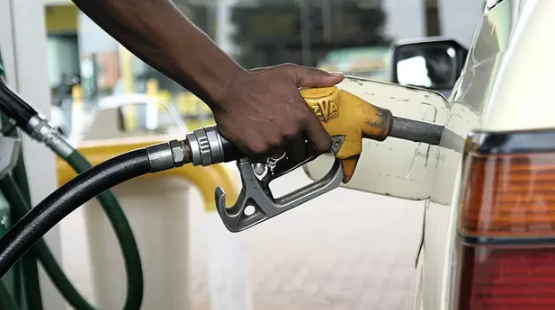
Fuel prices in Ghana are expected to decline further by between five and nine per cent in the next pricing window, according to a forecast by the Africa Sustainable Energy Centre (ASEC).
The projected drop is largely attributed to the strengthening of the Ghanaian cedi against the US dollar.
Ghana’s fuel pricing mechanism operates on a biweekly basis, with adjustments reflecting changes in global oil prices, exchange rates, and import costs.
The upcoming window is likely to see reduced prices at the pump, with petrol expected to sell between GHS 12.00 and GHS 12.60 per litre, while diesel is projected to retail between GHS 12.60 and GHS 13.20 per litre, based on ASEC’s latest market assessment.
The centre noted that while international crude oil prices have fallen from around $85 per barrel in January to approximately $64 per barrel currently, the recent appreciation of the cedi has had a more direct influence on local fuel prices. Because petroleum imports are paid for in dollars, a stronger cedi reduces the cost of procurement for oil marketing companies.
“The current exchange rate gains mean importers are spending fewer cedis for every dollar of fuel purchased, and this is expected to be reflected in lower pump prices,” ASEC said in a statement.
“This comes as a welcome relief for Ghanaians dealing with rising cost of living pressures.”
However, ASEC warned that the price drop, while beneficial for consumers, may have adverse implications for the government’s revenue streams. Ghana, which exports crude oil, relies on international prices for significant portions of its foreign exchange and budgetary income. With crude trading around $64 per barrel, down over 24 per cent since January, the government is expected to earn less from petroleum-related exports.
“Unless the exchange rate is the driver of these declines, falling global oil prices usually translate to revenue shortfalls,” ASEC said.
“The state may be forced to increase production volumes to meet revenue targets.”
The think tank also highlighted that if current trends continue, there could be further fuel price reductions in the second half of the year. International crude prices are forecast to remain between $62 and $65 per barrel, driven by increased production from OPEC+ and softened global demand, particularly in major economies like the US and China.
ASEC said it would continue to monitor the market and provide data-driven insights to guide national policy. It encouraged the government to balance consumer relief with strategies that ensure long-term energy security and fiscal stability.
Fuel prices remain a key economic indicator in Ghana, affecting inflation, transportation, and the cost of goods and services. The projected reduction, though temporary, is expected to offer some respite to households and businesses amid ongoing economic recovery efforts.
Latest Stories
-
DVLA to expand mobile services to underserved communities in Ghana’s Eastern Corridor of the Northern Region
3 minutes -
GUTA urges GPHA to act swiftly to end Tema Port congestion to avert rising business costs
3 minutes -
Port congestion could undermine 24-hour economy policy – GUTA
4 minutes -
NSA opens three-day window to resolve national service biodata mismatches
13 minutes -
Abu Jinapor highlights increased gold exports after Domestic Gold Purchase Programme
18 minutes -
NPP UK branch calls for independent audit into gold purchasing operations and parliamentary probe
51 minutes -
Zanetor Agyeman-Rawlings pledges decisive action on climate change, galamsey and environmental degradation
55 minutes -
Bawumia was brainchild behind Domestic Gold Purchase Programme – Samuel Jinapor
57 minutes -
Fuel prices set to go up from September 1, Petrol to sell at GHC 16.69 and Diesel, GHC 17.90 – COMAC
59 minutes -
Our World Our People withdrawn due to curriculum duplication, not politics – Adutwum’s spokesperson
1 hour -
GANRAP is essentially a rebranding of Domestic Gold Purchase Programme – Abu Jinapor
1 hour -
I am tired of being in opposition, my goal is to win in 2028 – Boakye Agyarko
1 hour -
Ghana’s road maintenance funding gap deepens as only 37% of needs met – World Bank
1 hour -
Roland Europe Group appoints Opoku Sanaa as Head of Sales, Middle East & Africa
1 hour -
Sammyflex TV’s Roland Amartey girds up for 2026 Ghana Music Awards UK coverage
2 hours