

Audio By Carbonatix
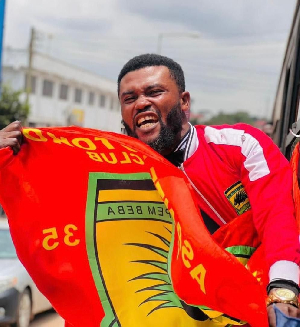
Months after his arrest, the high-profile case involving Nana Pooley is quietly fading from the public eye — and raising serious questions about justice, accountability, and power in Ghana.
When the news first broke about Nana Pooley’s arrest, it sparked a nationwide conversation. The case, charged with both legal and emotional weight, became a trending topic — not just because of the man involved, but because of what it symbolised: the hope that nobody is above the law.
But months later, the once-vibrant conversation has been reduced to whispers. Court updates are rare. Media interest has dwindled. And for many Ghanaians who believed this case would set a precedent for fairness and accountability, a new reality is settling in — justice has stalled, and silence has replaced scrutiny.
A Case That Promised to Shake the System
At the heart of this issue is not just Nana Pooley as an individual, but the system he represents — one where wealth, influence, and connections often dictate the pace of justice.
When the initial charges were made public, Ghanaians expected a swift and transparent process. Civil society groups called for due process. Victims and communities demanded closure. But in recent weeks, court dates have been postponed, updates have gone quiet, and those who once shouted “justice!” now ask “what happened?”
Justice Delayed… But For How Long?
The Ghanaian legal system is no stranger to delays, but this case highlights a deeper problem: selective urgency. While ordinary citizens can be remanded for months over minor offences, high-profile individuals seem to move through a different set of doors — doors padded with legal delays, bureaucratic loopholes, and political silence.
Is this justice, or just the illusion of it?
What message does it send to victims, communities, and the next generation watching?
The Power of Public Pressure — and Its Decline
One reason the case gained traction early on was because of public pressure. The media was loud. Social voices were powerful. But the longer a case drags, the easier it is to normalise the silence.
And that may be the most dangerous part of all — when justice becomes just another headline, and the public loses interest, the powerful win. They win not just in court, but in perception. And perception, especially in a democracy, is power.
A Wake-Up Call for Accountability
The Nana Pooley case is not over — but it’s dangerously close to being forgotten. As journalists, activists, and citizens, we must keep asking the hard questions:
• Why is there no regular public update from the legal authorities?
• Why have timelines shifted with little explanation?
• Why is there no consistency in how justice is applied?
Justice delayed is not just justice denied — it is justice manipulated.
Final Word:
This case is bigger than one man. It is about whether Ghana’s justice system will rise to meet the challenge of fairness — or fall to the weight of silence.
The country is watching. History is watching.
And so are we.
Latest Stories
-
AES, Ghanaian youth to confront debt, reparations at Accra forum
3 minutes -
Domestic Gold Purchase Programme: ‘US$1.7bn loss is largely a book issue’ — IEA — IEA
4 minutes -
Catholic Diocese finds suspended priest at Koforidua Police Training Centre
15 minutes -
I’ll exploit NDC’s complacency if elected NPP Communications Director – Dennis Aboagye
33 minutes -
Saalim Bamba files nomination to contest NPP National Nasara organiser position
40 minutes -
Norway’s royal family gathers at King Harald’s bedside as his condition worsens
41 minutes -
Merqury Republic returns to Takoradi with Guinness Ghana DJ Awards Pub Fest this Saturday
46 minutes -
Uefa pursuing criminal legal action against Infantino and Fifa
48 minutes -
Ghana Maritime Authority partners with Upper West Assemblies and traditional leaders to enforce inland water safety
50 minutes -
NSMQ 2026: Revenge complete as TAMASCO sends Aquinas packing, books quarter-final spot
52 minutes -
I don’t know who facilitated my nomination – Supreme Court nominee Amoako Asante
53 minutes -
World Bank’s Ghana poverty findings vindicate our April 2026 wellbeing report – APL
1 hour -
Tiwa Savage pushes back against criticism over female collaborations
1 hour -
Treat private schools as partners, not pressure group – Bagbin
1 hour -
Fire guts chop bar at South Odorkor, no casualties recorded
1 hour