

Audio By Carbonatix
The Accra Metropolitan Assembly (AMA) will soon make waste separation at source mandatory for all residents and businesses under a newly proposed amendment to its sanitation by-laws.
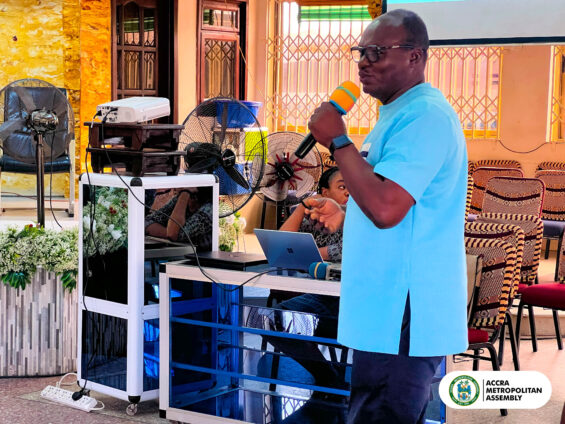
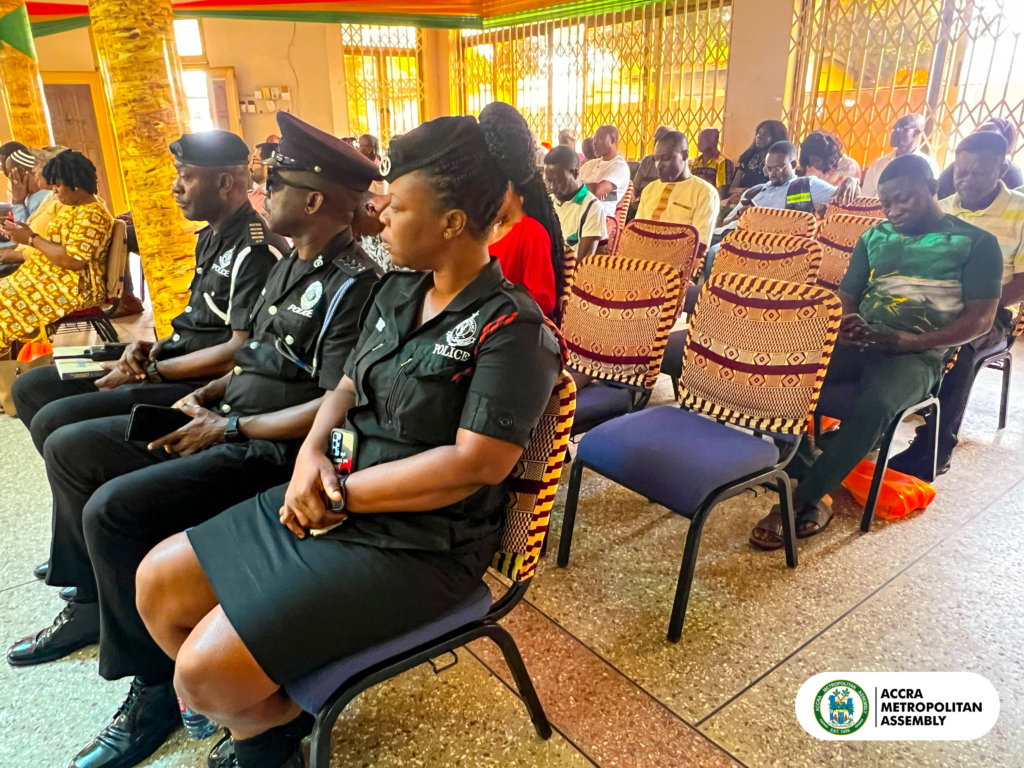
Speaking during a stakeholder engagement held as part of the review process, the Deputy Director of Waste Management at the AMA, Victor Kotey, explained that the revised by-laws would legally compel all Municipal Solid Waste (MSW) generators including households, eateries, markets, institutions, and hotels, to separate their waste into three distinct streams: organic, recyclable, and residual.
He stated that the proposed amendment also introduces a colour-coded bin system to guide compliance, with green bins assigned for organic waste, black for residual waste, and brown for recyclables.
“This initiative is key to reducing our dependency on landfills and achieving the city's zero-waste and climate action goals,” Mr. Kotey said.
According to him, the existing sanitation by-laws, which were last reviewed in 2017, do not sufficiently support integrated sustainable waste management or reflect the principles of a circular economy.
“Our current system does not recognise or promote source separation. That is a major gap we are correcting through this amendment,” he noted.
Mr. Kotey indicated that the updated regulations would require service providers to adopt new waste collection schedules, with organic waste to be collected three times a week, residual waste once weekly, and recyclables once every two weeks to enhance efficiency and reduce environmental and health risks.
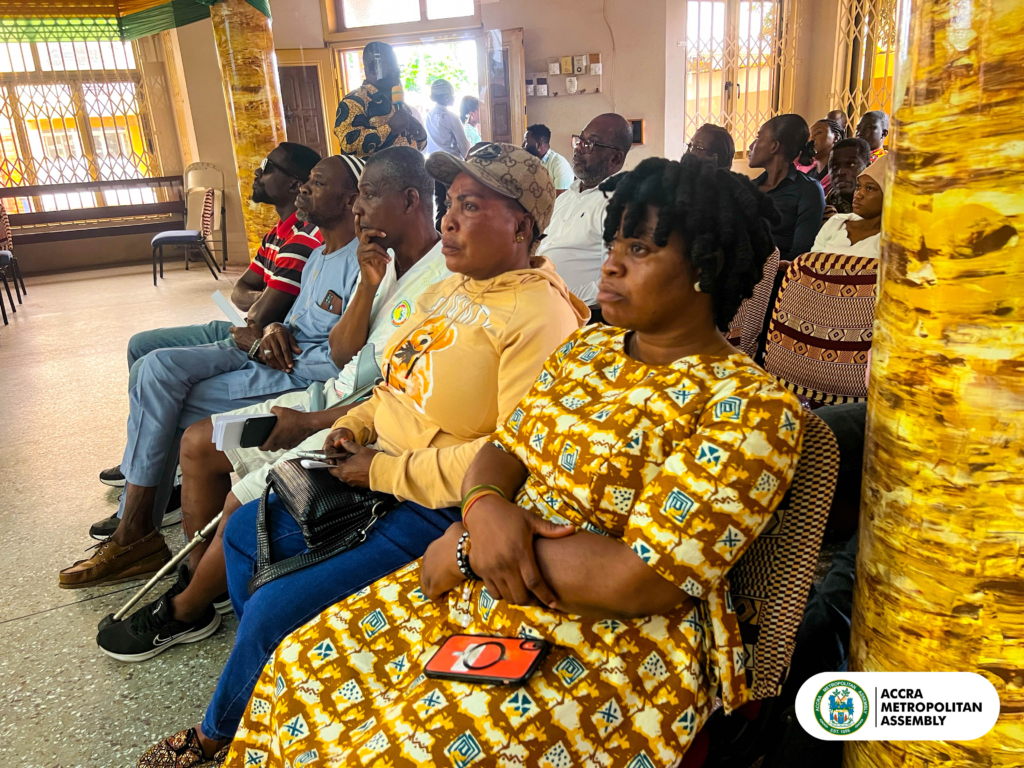
He added that the Assembly was also making room for both formal and informal waste collectors to participate in the new regime.
“We will support the formation of cooperatives for informal providers and streamline their role within the legal framework. This is vital because they account for nearly 46% of waste collection in Accra,” he stressed.
The proposed changes, he noted, once finalised, would be presented to the Assembly’s Justice and Security Sub-Committee, Executive Committee, and General Assembly before being forwarded to the Greater Accra Regional Coordinating Council, the Ministry of Local Government, and ultimately Parliament for gazetting.
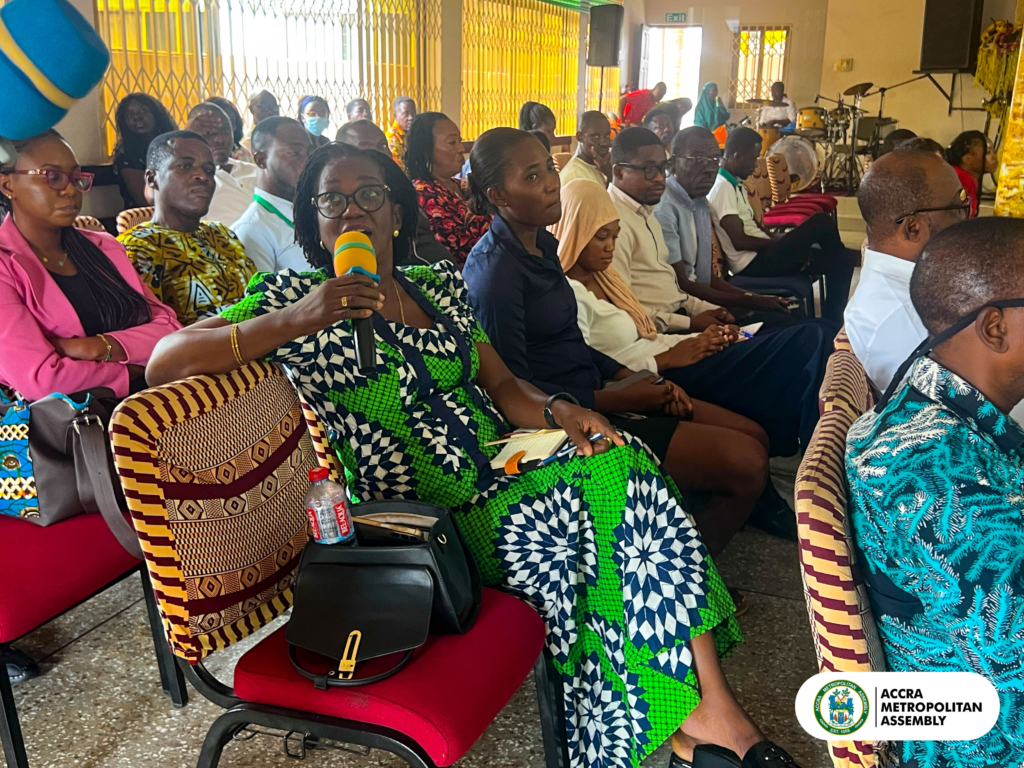
Mr. Kotey stated that the updated by-laws include clearly defined offences and penalties for non-compliance, including illegal dumping, failure to separate waste, and engagement of unlicensed contractors.
“We are not just amending a document; we are introducing a culture of responsibility and accountability in sanitation,” he added.
The review forms part of the AMA’s waste optimisation strategy, supported by the C40 Cities Climate Action Implementation Programme, and was expected to contribute significantly to reducing greenhouse gas emissions and improving urban sanitation in Accra.
Latest Stories
-
We are disappointed in ICC’s ruling over our corporate income tax assessment in Ghana – Tullow Oil
4 seconds -
Cost of building inflation for August 2026 increases to 4.6% – GSS
52 seconds -
Today’s front pages: Wednesday, September 30, 2026
32 minutes -
Bawumia highlights agricultural, compulsory insurance reforms in IBAG engagement
33 minutes -
Ghana will secure Tullow tax revenues while protecting Jubilee, TEN investments – Ato Forson
42 minutes -
Ghana wins $393m Tullow tax arbitration as tribunal upholds GRA assessment
46 minutes -
Gender Minister assures women’s group of action on Affirmative Action, Development Bank
1 hour -
Over 2,000 teachers in Dormaa comply with strike – GNAT Secretary
2 hours -
Food Buffer Stock seeks stronger liquidity buffer despite record profit
2 hours -
LPG investments key to achieving 50% access target by 2030 – Energy Minister
2 hours -
Jinapor: New LPG terminal strengthens Ghana’s energy security
2 hours -
Agbodza directs road agencies to fast-track design approvals to prevent project delays
2 hours -
Housing Minister urges stakeholders to prioritise quality education in Banda District
2 hours -
Government redeems pledge to complete abandoned projects – Kofi Buah
2 hours -
Sam George calls for Black Stars disbandment, GFA dissolution after Gambia defeat
2 hours