

Audio By Carbonatix
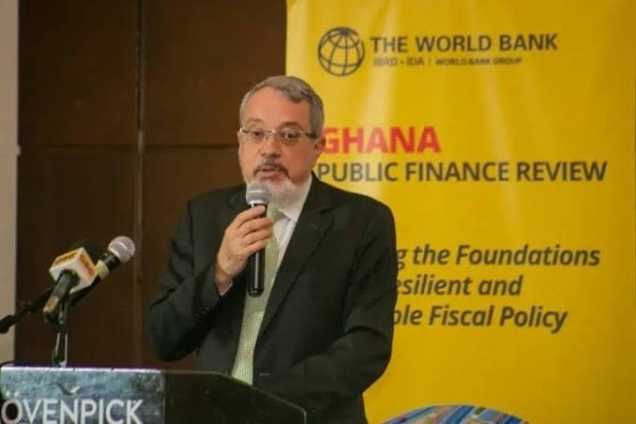
The World Bank Group's Policy Notes, themed “Transforming Ghana in Generation” has stated that Ghana can achieve a generational transformation, by implementing comprehensive policies and institutional reforms to boost productivity, improve infrastructure services, and strengthen human capital and its workforce skills.
The World Bank said the reforms could sustain economic growth exceeding 6.5 percent, triple per capita income by 2050, and counter headwinds from demographic trends and the decline in natural resources.
Ghana's income per capita has stagnated at around $2,200 over the past decade, with poverty affecting over a quarter of the population and regional disparities worsening due to limited structural transformation and dependency on natural resources. Rising macroeconomic imbalances led to a severe crisis in 2022, further hindering job growth and undermining poverty reduction efforts.
"Ghana has a unique opportunity to restore fiscal discipline, improve governance, and leverage natural and human capital resources for broad-based and inclusive development to transform the country within generation”, said Robert Taliercio O'Brien, World Bank Division Director for Ghana, Liberia and Sierra Leone.
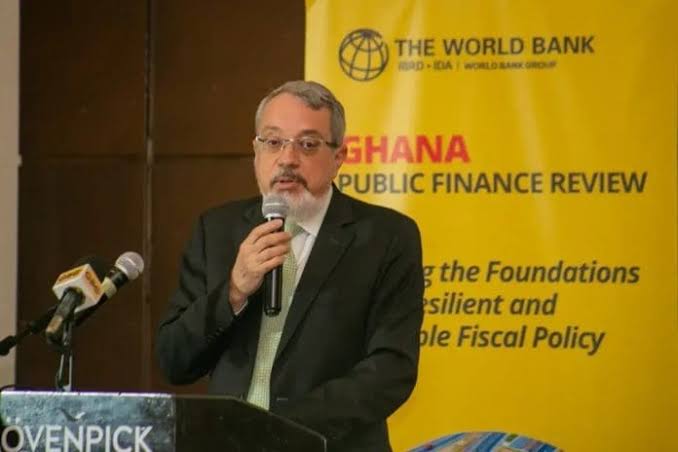
"To sustain high growth, Ghana must join other countries that have maintained prolonged periods of economic growth and successfully avoided the middle-income trap by maintaining macroeconomic stabilize low inflation rates, and sustainable public finances."
The report underscored an urgent need for reform which include a break from past governance failure marked by fiscal indiscipline, inefficiency, and repeated IMF programs.
In addition, the government must restore credibility through fiscal consolidation, transparency, and institutional reforms, put debt on a sustainable path and avoid premature reentry to the Eurobond market.
The Policy Notes outlined four critical foundations for driving Ghana's transformative agenda.
First, restoring macro-financial stability demands better revenue collection, expenditure management, reforms in key sectors like energy and cocoa to reduce fiscal risks.
Second, boosting productivity and jobs require a business environment that attracts investment in high-productivity sectors, while improving education, health, and social protection to build human capital.
Third, sustainable management of natural resources and resilience in agriculture and infrastructure are essential for broad-based, inclusive growth.
Lastly, reinforcing governance through stronger institutions, anticorruption efforts, and public sector reform are vital to restore trust and support effective development.
Latest Stories
-
Mahama cautions Ghanaians not to take religious freedom for granted
10 minutes -
We need development pathway, not selection exercise – Sports Minister urges football stakeholders
17 minutes -
Government prioritises foundational learning to improve education outcomes
23 minutes -
Ghana, Côte d’Ivoire deepen maritime security cooperation through joint boundary inspection
29 minutes -
Three-hour rainfall exposes poor drainage system in Kadjebi
35 minutes -
Ghana, China push AI innovation in healthcare
42 minutes -
Give young people skills and the systems to create jobs
55 minutes -
Food inflation never responded – Dr Yamson says Ghana must stop throwing money at short-term fixes
1 hour -
Oil set for second weekly rise as unsettled US-Iran war crimps supply
1 hour -
US teen drops lawsuit against Meta, Google and Snap ahead of trial
2 hours -
Meghan could return to acting once back in UK
2 hours -
Bali jails Swiss tourist for insulting sacred Day of Silence
2 hours -
At least 50 killed, mostly children, as overloaded boat capsizes in Nigeria
2 hours -
Cameroon president returns home after 10-week absence
2 hours -
Mineworkers demand release of $34.5 million in trapped savings
2 hours