


Audio By Carbonatix
The Association of Ghana Industries (AGI) has emphasised the need for businesses to strategically focus on policy, infrastructure, and innovation, as well as access to finance, to thrive.
AGI Regional Chairman for Ashanti, Bono, Bono East, and Ahafo, Kwasi Nyamekye, stated that this indicated that industries needed to anchor on those pillars to add value to raw materials produced in the country and be the leading exporters of finished products and other commercial raw materials in Ghana.
He said that although policy stability was the foundation of successful businesses, investors and industrialists needed the assurance that regulatory changes would not occur overnight.
It was therefore necessary for the government to deepen engagements with AGI and other stakeholders in shaping industrial policies to reflect realities.
Mr. Nyamekye was speaking at the 26th Regional Annual General Meeting for the Ashanti, Bono, Bono East, and Ahafo Regional Branch of AGI in Kumasi.
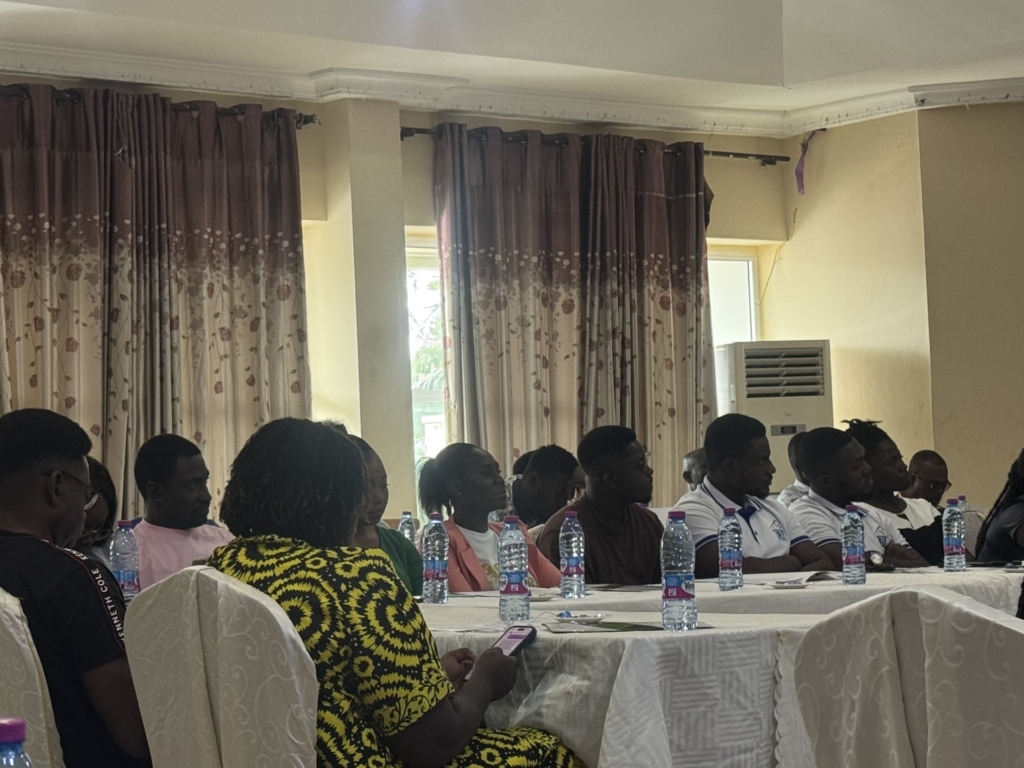
The other pillars for business growth, he said, included reliable and efficient infrastructure and innovation, adding that it was important for Ghana to invest in digital infrastructure and promote innovation ecosystems.
Mr. Nyamekye explained that access to finance remained the greatest challenge amid high interest rates stifling local industries.
The best way to address this was for financial institutions and regulators to develop tailored products for manufacturers, especially SMEs, with longer tenures and affordable rates.
The Chairman called on AGI members to adopt sustainable practices, embrace technology, and invest in skills and development to stay competitive on the African continent and beyond.
The Chief Executive Officer of AGI, Seth Twum-Akwaboah, said the Association was working in numerous ways to make local and international transactions easier for businesses.
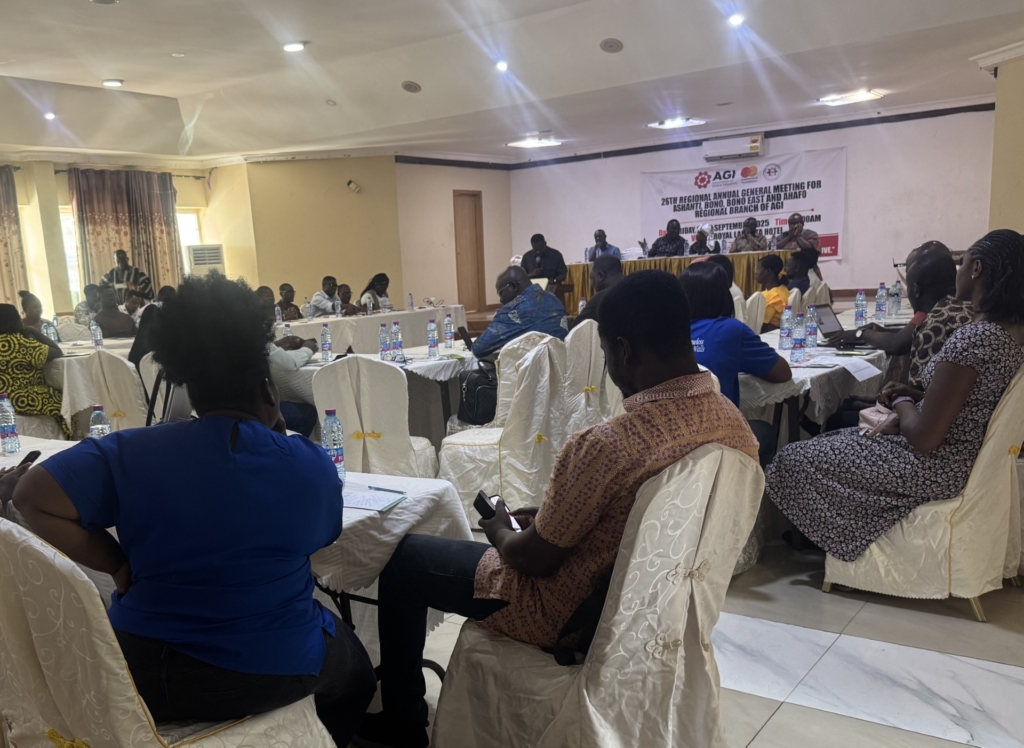
These included working through the Export Development Council, which would support the ecosystem for exports.
Again, the AGI, according to Mr. Twum-Akwaboah, was strategising with the government for businesses to benefit from the 24-Hour Economy policy.
The meeting was held on the theme “Creating a Conducive Business Environment for Industrial Competitiveness: 24-Hours in Perspective.”
Latest Stories
-
Ghana’s economic revival: Turning financial stability into economic prosperity
11 minutes -
AFCON 2027Q: Black Stars to depart Accra for Bouaké ahead of Ivory Coast clash
24 minutes -
Who to allow into your home, who should come into your cyberspace? Trust is becoming unbecoming
26 minutes -
At least 11 dead in mass shooting at house party in South Africa
44 minutes -
MoMo Fintech Lab attracts close to 1K entries from innovators across, applications end on Sept 30
55 minutes -
Black Stars face Ivorian test as injuries force major squad changes
1 hour -
Save Nations Foundation donates learning materials to Nooria Islamic Basic School, calls for more support
1 hour -
From selling food to solving problems: How Esther Owusu Nkwantabisah rethought entrepreneurship
2 hours -
Explained: Ghana’s water plant deal that produced a $235m judgment debt instead of water for 500,000 people
2 hours -
High Cost of Domestic Airline Fares: Can government do something about it?
2 hours -
Inflation, cedi depreciation put BoG’s MPC under pressure as policy rate decision looms
2 hours -
Lawyer denies Salomey Baffoe received money from ‘Ghana Jollof’ account operator
2 hours -
Beyond politics: Why Kwame Nkrumah’s ideals still matter for today’s leaders
2 hours -
Top South African policeman charged with sexual offences
3 hours -
More than 170,000 respiratory cases recorded in haze-choked Indonesia
3 hours