

Audio By Carbonatix
Globally, one in four children under five (181 million) live in severe food poverty, missing the nutrients vital for survival, growth, and development.
Sub-Saharan Africa bears the heaviest burden, with 57 million children affected.
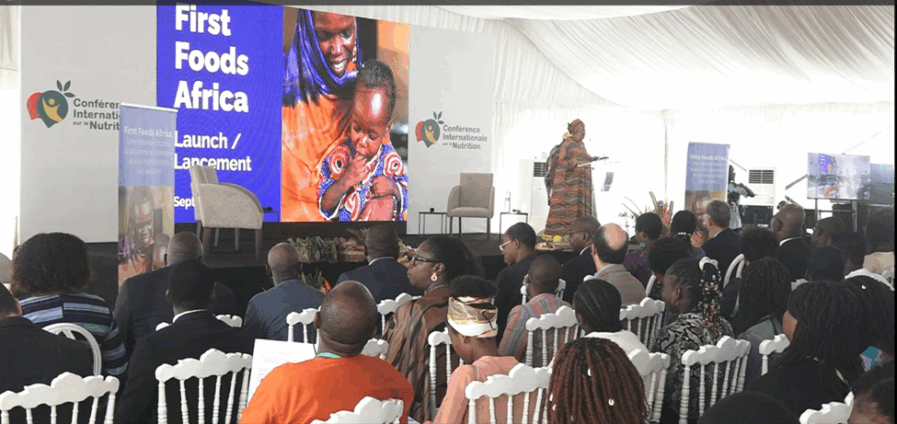
Addressing this crisis, UNICEF has launched the First Food Africa initiative to improve children’s first foods, food environments, and feeding practices by supporting local production and access to nutritious, safe, affordable, and sustainable foods, especially for the most vulnerable.
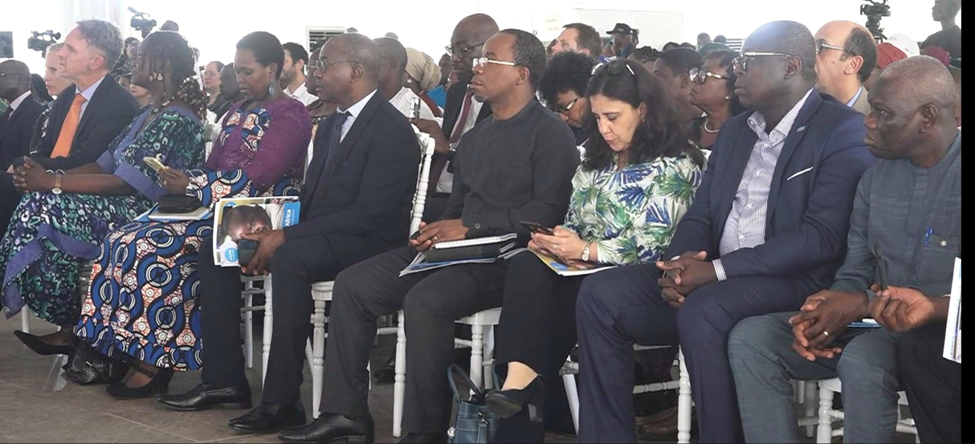
The initiative, funded by the Child Nutrition Fund in collaboration with the Food and Agriculture Organisation, World Bank, World Food Programme (WFP) and the World Health Organisation (WHO) and other partners, seeks to attract investments in medium-to-large African companies that meet UNICEF’s standards for food industry engagement.
Speaking at the launch held in Cotonou, Benin, the Director of Child Nutrition and Development, Joan Matji, affirmed local production as central to the initiative by empowering farmers and entrepreneurs to deliver safe, sustainable first foods and build stronger food systems for Africa’s children.
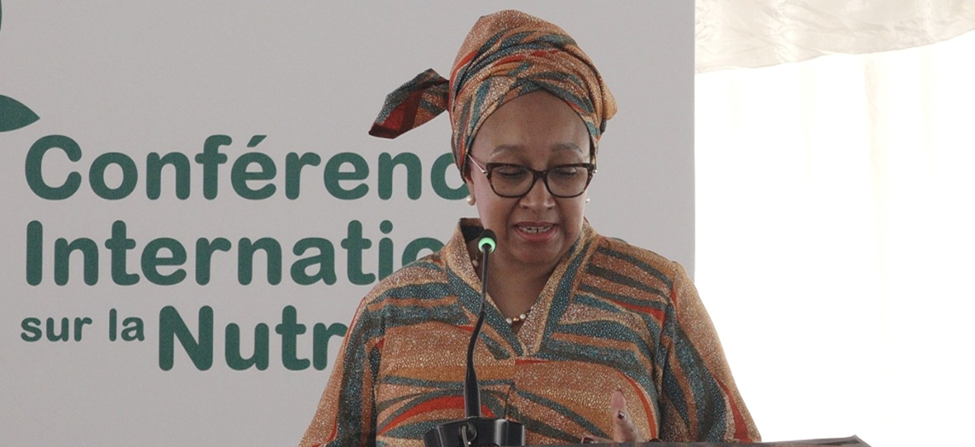
“The initiative champions local solutions to child food poverty, with a vision of African food systems that deliver nutritious, safe, affordable, and sustainable first foods for children”, she stated.
Deputy Global Executive Director for Programmes at UNICEF, Omar Abdi, urged frontrunner countries, including Ghana, to tackle child food poverty not through traditional aid, but by leveraging market-based approaches that attract investment, empower local producers, and strengthen child-centred food systems.
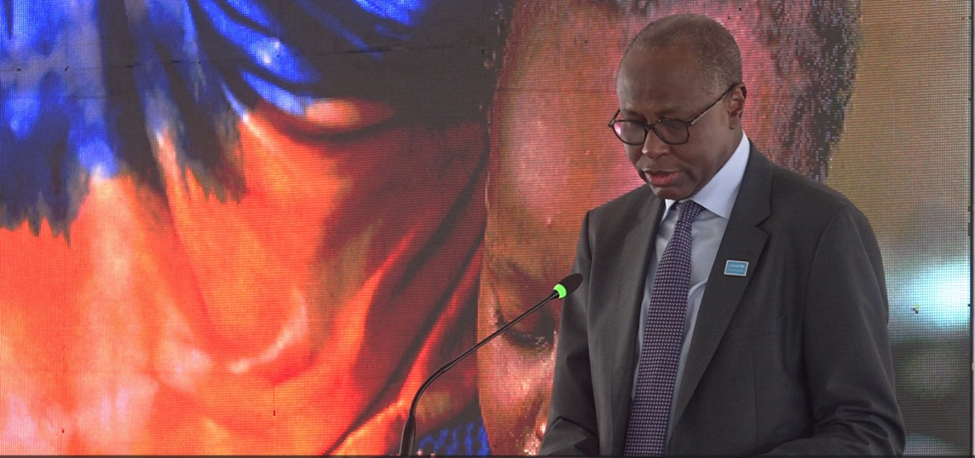
“The goal is to unlock Africa’s potential by creating sustainable, locally-led food systems. With support from the Child Nutrition Fund and partners, resources are already being mobilised to launch First Foods Africa in the first wave of countries”, he explained
The First Foods Africa initiative by UNICEF marks a bold step toward ending child food poverty by employing Africa’s own potential to build resilient, locally-driven food systems that secure a healthier future for its children.
Latest Stories
-
Hawa Koomson pledges experienced and mature leadership of NPP women’s wing
1 hour -
Young woman found dead at Kasoa Peace Town
2 hours -
Playback: The Law examined lawful arrest in Ghana
2 hours -
Mahama urges African governments to treat healthcare as an investment, not budget cost
3 hours -
Bawumia congratulates John Boadu and new NPP executives, pledges support ahead of 2028
3 hours -
‘No talent should be left out’ – Bawumia pledges inclusive NPP campaign for 2028
3 hours -
Prof. Mike Oquaye recounts how he blocked the Special Prosecutor’s attempt to arrest Bawku Central MP
3 hours -
Make health sovereignty a priority for Africa – Mahama
3 hours -
Dorimon Naa, Wa West DCE lead massive clean-up exercise; threaten sanctions against recalcitrant residents
3 hours -
Photos from Adom FM Y2K Jam
4 hours -
Praye Tiatia steals the show at Adom FM Y2K Jam [Watch]
4 hours -
Boakye Agyarko congratulates John Boadu, pledges support for NPP leadership
4 hours -
Antwi HiMight thrills fans with Antwi ne Antwi hits at Adom FM’s Y2K Jam [Video]
4 hours -
Amb. Edward Boateng congratulates Boadu, Kodua on election wins
5 hours -
John Boadu pledges to rebuild NPP from grassroots and restore ‘winning machinery’
5 hours