

Audio By Carbonatix
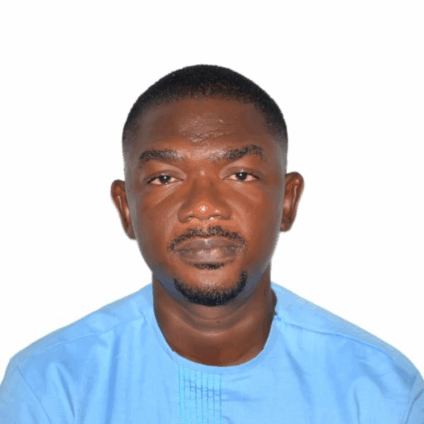
Anatomic Pathologist Professor Patrick Kafui Akakpo has stressed the importance of cancer prevention through screening, citing cervical, breast, prostate and colon cancers as examples where early intervention can dramatically improve health outcomes.
Speaking on Joy FM’s Super Morning Show (SMS) today, October 6, Prof Akakpo highlighted that while some cancers remain difficult to detect early, many are preventable or manageable if identified at an early stage.
“There are those [types of cancer] that are easily preventable,” he said. “Cervical cancer is one of them. When you are infected with the human papillomavirus (HPV), it takes a long while, often around 20 years, for the virus to integrate into your genome and eventually lead to cancer. Unless your immune system is compromised, such as in people living with HIV,” he said.
According to Prof Akakpo, this long development period offers a critical opportunity to track cellular changes and intervene before cancer fully develops.
Countries that have invested in robust cervical cancer screening programmes including HPV testing and regular pap smears have seen cases significantly decline, with some nearing eradication.
Turning his attention to breast cancer, Prof Akakpo noted that early detection is equally life-saving.
“In Western countries, you can go for a mammogram, ultrasound or MRI depending on your risk and needs. These tools can detect even the smallest changes in breast tissue,” he explained.
“While breast cancer screening is not preventative in the same way, it is life-saving because it allows you to detect the disease at stage one, when treatment is most effective.”
On prostate cancer, he said routine screening using PSA (Prostate-Specific Antigen) tests can be valuable, though decisions should be based on an individual’s risk profile.
“You check your PSA levels, and if they’re high, that raises a flag. But ultimately, you make the decision based on your own risk,” he noted.
Prof Akakpo applauded countries that have prioritised cancer screening, leading to great success in controlling not only cervical and breast cancers, but also colon cancer.
“Screening has made all the difference. These countries have seen remarkable results, and in some cases, near elimination of certain cancers,” he said.
However, he acknowledged that not all cancers lend themselves to routine screening. “Some cancers are deeply seated and don’t follow a detectable process. They are concealed until it’s too late,” he cautioned.
“For these types like certain brain tumours or blood cancers the focus must be on early diagnosis. Researchers are now exploring whether such cancers can be put on a screening schedule in future.”
He further emphasised the role of viruses in cancer development. “For cancers caused by viruses, like HPV, most of them are actually easy to screen for,” he stated.
Latest Stories
-
Banks NPL ratio of 16.1% is still too high – S&P
2 minutes -
Guidelines, regulations of cryptocurrency in Ghana fall short of comprehensive oversight – IMF
36 minutes -
COCOBOD’S GH¢16.3bn SPV: Real progress toward a sustainable cocoa sector
57 minutes -
Ghana lose Morocco friendly as Atlas Lions turn to Mali
3 hours -
2026/2027 GPL: Kelvin Nkrumah strike sends Medeama top of league table
3 hours -
Emmanuel City crowned champions of maiden Global Game Scouting Tournament
3 hours -
Thomas Partey loses father Jacob Teye Partey
3 hours -
Martin Kpebu explains when EOCO can arrest Manhyia South MP after securing court warrant
4 hours -
EOCO’s reasons for seeking Manhyia South MP arrest warrant not justified – Kpebu
4 hours -
MTN Ghana warns SMEs against sharing PINs amid digital fraud risks
4 hours -
Yendi nursing students warn restricted access to skills lab could affect their training
4 hours -
Minority awaits formal notice of arrest warrant for Manhyia South MP – Annoh-Dompreh
4 hours -
LTIF announces 2026 Pan-African edition in Accra from October 6-7
4 hours -
Mfantsipim needs broader funding partnerships to bridge infrastructure gap – Prof Baiden
4 hours -
MP status must not shield anyone from law enforcement – Kwakye Ofosu
4 hours