

Audio By Carbonatix
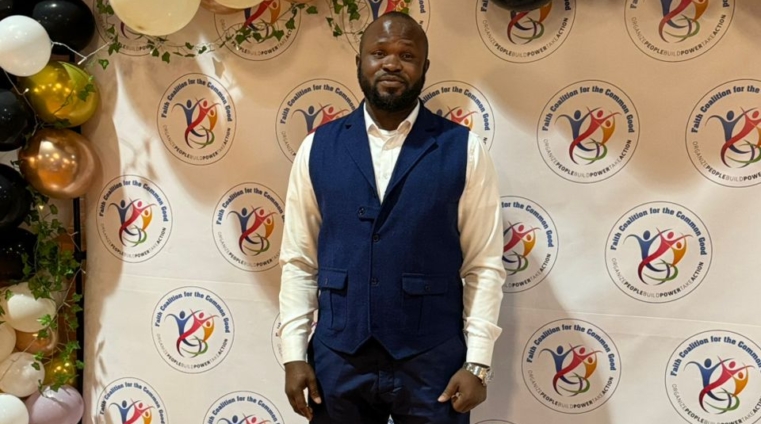
Education and public health practitioners in Ghana are taking note of Nigerian educator Alaba Kunlere, whose integrated approach — Community Food Systems & Youth Development Science — is reshaping how schools and local partners respond to nutrition challenges.
Kunlere’s model equips student teams to gather community food-access data, analyse it using simple digital tools, and co-create interventions that schools and district partners can sustain.
At the heart of the model is a practical cycle that schools can implement each term: define local nutrition questions, collect geotagged observations, visualise risks on a dashboard, plan targeted actions such as school gardens, nutrition clubs, or sourcing adjustments, and track outcomes over time. The process embeds leadership development, assigning students structured roles in data collection, peer education, and project management.
“Ghana has a proud tradition of community-driven education,” Kunlere said. “Our approach respects that tradition while adding scientific structure and youth leadership. The result is actionable plans that fit the realities of schools and neighbourhoods.”
Program partners in Ghana have praised the model’s compatibility with existing school and agricultural initiatives. Because the tools are lightweight and designed for accessibility, teachers can easily integrate them into lesson plans, while district stakeholders gain clearer evidence to guide resource allocation and community partnerships.
Teacher trainers reviewing Kunlere’s materials cite several strengths, including step-by-step guides for student projects, Universal Design for Learning (UDL) checklists that help include all learners, and reporting templates that facilitate progress documentation for school heads and donors. The model also fosters cross-school collaboration, enabling teams to compare what works best across coastal, urban, and inland contexts.
“When students gather the evidence, they become the messengers,” Kunlere noted. “They lead conversations about nutrition and food resilience in ways adults can’t replicate.”
As interest grows, Kunlere is partnering with Ghanaian educators to localise the content, incorporating region-specific crop calendars, market mapping exercises, and culturally relevant nutrition literacy activities.
Upcoming priorities include a Ghana–Nigeria educator exchange and the rollout of open-access resources to help schools launch programs with minimal costs.
Latest Stories
-
Pope calls for an end to West Bank violence against Palestinians
4 hours -
Shipping slows through Strait of Hormuz after tanker attacks, data shows
4 hours -
Why I stopped trying to quit smoking – Omah Lay
4 hours -
‘What if sharks swallow you’ – Teni warns Burna Boy over ocean stunt
4 hours -
What’s driving men to get penis fillers, despite the risks?
4 hours -
Ngah brace fires Cameroon to historic first WAFCON crown with dominant Malawi victory
5 hours -
Ariana Grande leaves problems at home as her tour hits the UK
5 hours -
‘Ghana was the crime scene’ – the country leading the demand for slavery reparations
5 hours -
Court dismisses Nana Kwame Bediako’s fresh bid to halt $14.9m judgment
5 hours -
Air India pilot’s reported cannabis test: What it can and can’t tell investigators
5 hours -
France’s top court blocks social media ban for under-15s
5 hours -
Fery wins on return as Djokovic reveals health condition after loss
6 hours -
‘Probably my last year’ – Ronaldo hints at retirement
6 hours -
Arsenal cruise to Community Shield win against disappointing Man City
6 hours -
Barcelona agree £65m deal to sign Rodri from Man City
6 hours