

Audio By Carbonatix
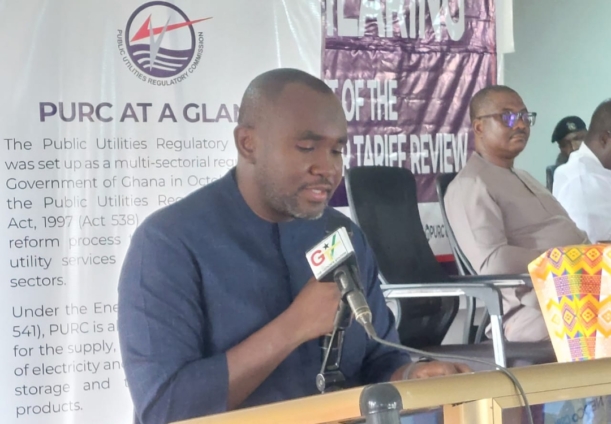
The Executive Secretary of the Public Utilities Regulatory Commission (PURC), Dr Shafic Suleman, has assured that the commission is working to ensure a fair and moderate tariff structure for utility consumers.
He said the commission had received proposals from utility providers seeking tariff adjustments but stressed that PURC would strike a balance that benefits both service providers and consumers.
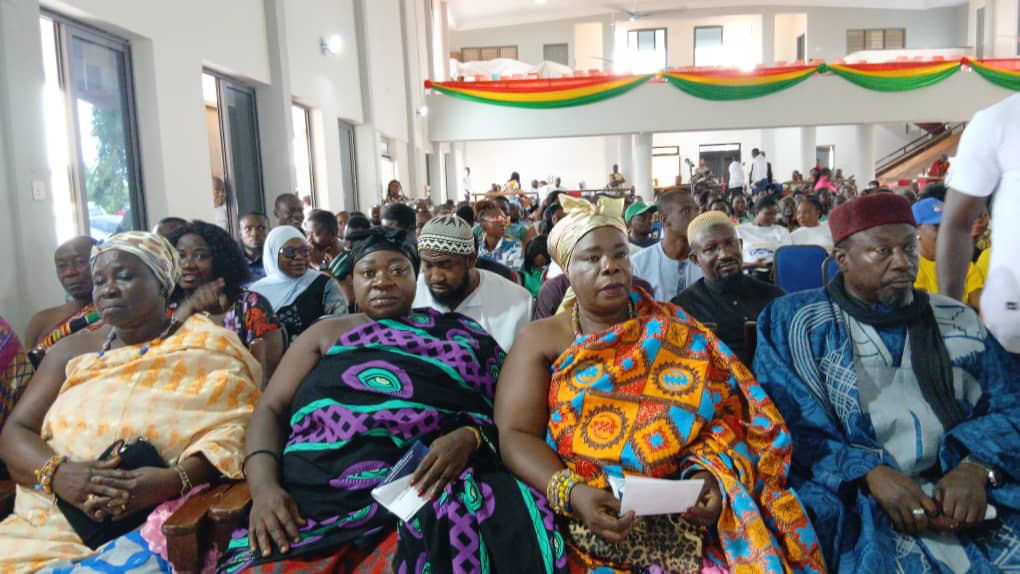
Dr. Suleman said this at a public hearing on the 2025–2030 Multi-Year Tariff Review held in Sunyani, in the Bono Region, which served as a platform for stakeholders, including farmers, entrepreneurs, trade unions, utility providers, and other community representatives, to present their perspectives.
The PURC is yet to analyse the proposals submitted by the utility companies. We will take into account the socio-economic conditions in the various regions before issuing a tariff order,” he explained.
He added that all submissions and questions from the public would guide the commission’s final decision on the new tariff framework.
“Conversations about tariffs directly affect local economies — from agriculture and agro-processing to education and small-scale industries,” Dr Suleman said.
He noted that farmers heavily depend on electricity for mechanised processing and cold storage, and when power becomes unstable or unaffordable, post-harvest losses increase, thereby reducing profits.
“Similarly, when water tariffs go up without corresponding improvements in supply, agro-industries and communities suffer operational constraints that affect local markets,” he added.
Dr Suleman emphasised that reliable and affordable utility services are essential for economic growth, saying, “Reliable utilities are not a luxury but a necessity for sustainable development.”
The Paramount Chief of the Sunyani Traditional Area, Odeefour Ogyeamansan Boahen Korkor II, urged utility agencies to inform customers ahead of any power or water interruptions to enable proper planning.
He said customers should be treated with respect and given adequate notice of service disruptions, just as is done in advanced countries.
Some participants also shared their views on the proposed tariff adjustments.
Imam Seidu Yeboah, Vice Chairman of the Ghana Private Road Transport Union (GPRTU) in Techiman, urged service providers to invest in solar energy, describing it as a more affordable and sustainable option.
He also suggested that tariff adjustments should be made twice a year at moderate rates.
Felicia Konlan, a nurse, appealed to utility agencies to review the current tariffs downward, saying they were too expensive.
“They should come up with something moderate, and Ghanaians will be willing to pay,” she said.
Latest Stories
-
World Mission Society Church of God provides food packages to Weija-Gbawe flood victims
50 seconds -
Use Parliament recall to review COCOBOD Bill – Oppong Nkrumah tells Mahama
2 minutes -
Cecilia Dapaah appointed Chairperson of NPP National Executive Elections Vetting Committee
5 minutes -
Oppong Nkrumah urges media, public to stop sharing graphic Ofankor crash footage
6 minutes -
Government commits to consumer protection as Ghana’s fintech sector expands
9 minutes -
NPP Elections Committee pledges fairness ahead of national delegates conference
15 minutes -
National Mining Dialogue 2026 to bring Ghana’s mining stakeholders together in Accra on Aug. 18
21 minutes -
YEA provides skills training equipment to beneficiaries in Western North Region
28 minutes -
Upper West records 45% drop in maternal deaths ahead of free primary healthcare rollout
30 minutes -
One dead, 14 injured in Bunso Highway crash
34 minutes -
Prioritise party interest over individual interests – NPP tells aspirants
38 minutes -
NPP sets October 3 for National Executive elections, opens nominations August 17
48 minutes -
Accra Brewery calls for postponement of new excise duty increases
56 minutes -
HIV prevalence among drug users in Ashanti Region hits 6.6% – NACOC
1 hour -
26 suspected illegal miners arrested in Mpohor-Fiase operation
1 hour