

Audio By Carbonatix
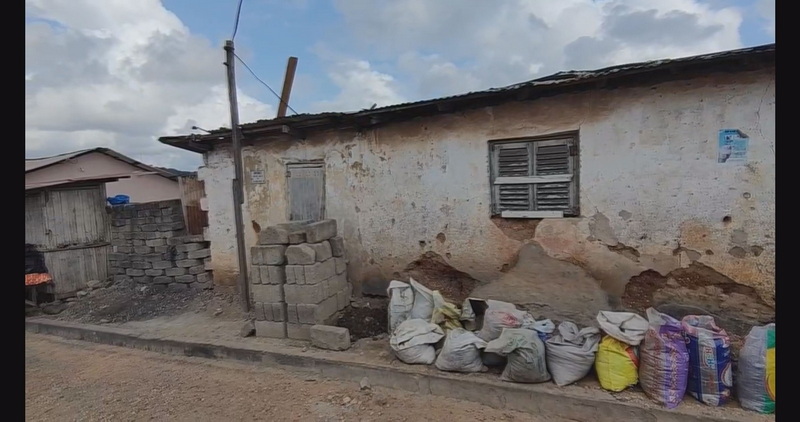
Rising temperatures are turning homes in Sekondi-Takoradi’s Zongo communities into unbearable heat traps. The combination of climate change, poor housing design, and limited ventilation is creating dangerously high indoor temperatures — threatening the health and safety of thousands of residents.
Children, the elderly, and pregnant women are among those most affected by the growing heat crisis, which many experts say is being overlooked in Ghana’s broader climate agenda.
Zongo residents battle extreme indoor heat
Ghana’s climate policies focus heavily on flooding, sea-level rise, and droughts. But in places like Takoradi Zongo, another crisis is quietly unfolding — extreme indoor heat.
With buildings constructed close together and little airflow between homes, residents say their living spaces have become almost uninhabitable during the day.
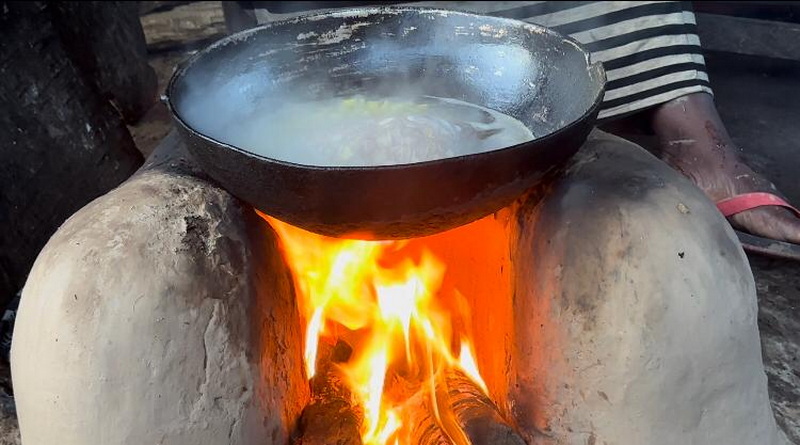
“The buildings are too close together, and we cook in tight spaces, so the heat just builds up,” — Theresah Binney, Zongo resident.
“I suffer from skin rashes because of it. I’m pleading with the government to step in — spacing out the buildings could help,” — she added.
Families struggling to stay cool
For many families, coping with the heat has become a daily battle.
“I use wet towels to cool my children, but the elderly can’t handle the heat. It’s too much for them,” — Barikisu Dauda, trader and mother of three.
Others say the heat drives them outside at night in search of relief.
“Sometimes we sleep outdoors just to get fresh air, but then we’re attacked by mosquitoes,” — Iddris Mohamed, resident.
He says the situation affects hygiene and well-being. “People develop body odor and other health problems. It’s frustrating.”

City authorities take action against urban heat
The Sekondi-Takoradi Metropolitan Assembly (STMA) says it is aware of the growing danger and is rolling out measures to tackle indoor heat and pollution in Zongo communities.
According to Abu Mahama, the Assembly’s Metropolitan Development Planning Officer and Climate Change Focal Point, interventions are being introduced to reduce the impacts of extreme heat — particularly in areas like European Town, where many women cook in enclosed spaces using wood and charcoal.
“We’re introducing clean cookstoves to reduce indoor heat and promote healthier living,” Abu Mahama explained.
“We’re also planning to educate residents on how to retrofit their homes — installing larger windows, adding ventilation outlets, and planting trees for natural cooling.”

Research reveals health threats from indoor heat
A recent study by Dr. Ebenezer Amankwaa of the University of Ghana reveals that extreme indoor temperatures in Sekondi-Takoradi’s Zongo communities are directly harming residents’ health.
Many households rely on electric fans and open windows to stay cool — but frequent power outages and high electricity bills make these solutions unreliable.
Dr. Amankwaa’s research calls for climate-responsive housing policies that emphasize ventilation, thermal comfort, and affordable cooling technologies for low-income communities.
“We need to design homes that can breathe — buildings that stay cool naturally and protect people’s health,” Dr. Amankwaa noted.
His recommendations align with Ghana’s National Adaptation Plan (NAP) and Nationally Determined Contributions (NDC), both of which urge urgent climate action that safeguards vulnerable populations from environmental and health risks.
Experts call for bold housing and climate reforms
As temperatures continue to rise, the heat inside Zongo homes is becoming more than just uncomfortable — it’s dangerous.
While the STMA’s efforts to introduce cleaner technologies and awareness campaigns are promising, experts warn that lasting change will require stronger housing reforms, better urban planning, and investment in climate resilience at the community level.
“We can’t fight climate change without protecting the people most exposed to it,” — Dr. Amankwaa emphasised.
This story is published in partnership with CDKN and the University of Ghana C3SS with funding from CLARE R4I Opportunities Fund.
Latest Stories
-
Fuel prices set to rise again from Sept 1; petrol could hit GH¢16.21 – COPEC
7 minutes -
REGSEC restricts Akwasidae celebrations in Denkyira amid security concerns
13 minutes -
Eric Adjei distributes free fertiliser to farmers in Jaman North
20 minutes -
Akufo-Addo urges NPP factions to unite behind Bawumia for 2028 victory
31 minutes -
NDC mourns Western Regional Elections Director Papa Assan
38 minutes -
Minerals Commission warns against fake job recruitment schemes
45 minutes -
10 recruits dismissed for defying phone ban – Interior Minister
51 minutes -
IEAG commends GoldBod, BoG for improving forex stability
1 hour -
Bawumia donates GH¢50,000 to St Jude Catholic Church at Weija
1 hour -
Mahama calls for faster mobilisation of AU Peace Fund resources
1 hour -
Improved roads bring new vehicle options to Tumu-Bolga, Tumu-Tamale, Tumu-Wa routes
1 hour -
Cedi records 7.9% depreciation against US dollar in first half of 2026
1 hour -
GIS launches operation on anti-human trafficking and exploitative street begging
2 hours -
Awutu-Senya District Assembly organises clean-up ahead of Awubia Festival
2 hours -
Vice President Opoku-Agyemang receives Democracy Cup
2 hours