

Audio By Carbonatix
There are indications that barring any last-minute unforeseen changes, the country’s national food aggregator, the National Food Buffer Stock Company (NAFCO), could hold its first Annual General Meeting (AGM) since its establishment in 2010.
The holding of the proposed AGM is subject to approvals from the state entities’ regulator, the State Interest and Governance Authority (SIGA), and the company’s own governing board, and is expected to complete months of reforms after being engulfed in years of underperformance.
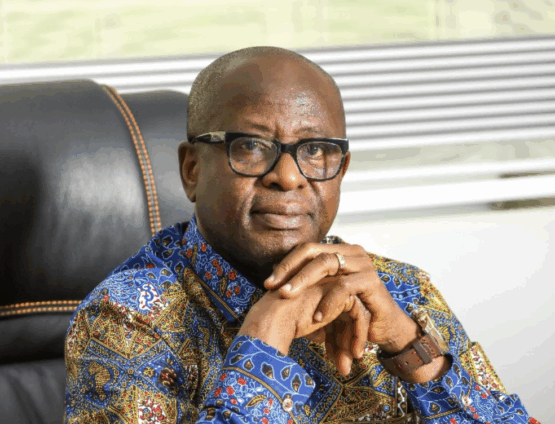
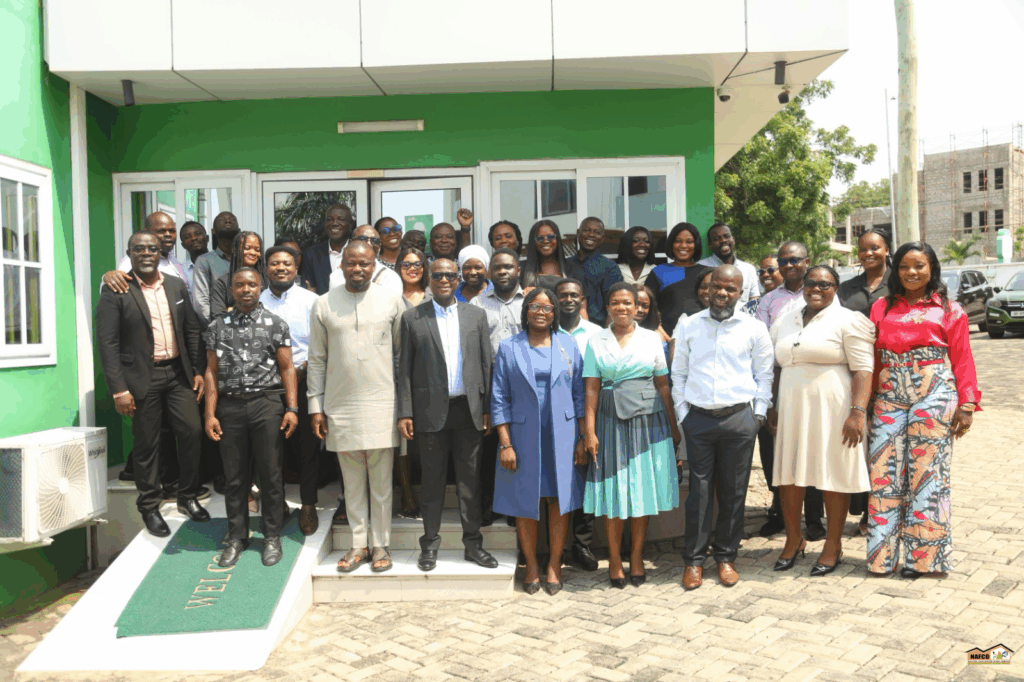
The company’s Chief Executive Officer, George Abradu-Otoo, who dropped the hint during the 2026 maiden staff interactions in Accra, also intimated that some “modest gains” were made in the year 2025, necessitating the urge to fulfil a major regulatory requirement by holding the AGM.
An Annual General Meeting (AGM) is a mandatory yearly gathering where a company's directors report to shareholders on financial performance and future plans, allowing shareholders to exercise ownership rights by voting on key issues like board appointments, auditor selection, and dividends, ensuring transparency and legal compliance under specific statutes like the Companies Act.
It's a vital governance mechanism for accountability and engagement between management and stakeholders, requiring formal procedures for notice, conduct, and minutes.
NAFCO is wholly owned by the government of Ghana and is required to hold Annual General Meetings (AGMs), per the provisions of the Companies Act, 2019 (Act 992).
Records from SIGA indicate that, over the years, NAFCO has been compliant with its up-to-date Audited Accounts, and holding a maiden AGM will consolidate its performance
It is yet to be known how the company performed financially in the year under review until the ongoing audits are completed, but there are indications that its 2025 performance improved over 2024.
In 2024, the company is reported to have incurred financial losses.
In terms of operations, the company seamlessly carried out food supply to schools under the Free Senior High School Programme and took on the major task of revamping the National Food Security Reserve (NFSR) after the government released GH¢100 million for its initial take-off.
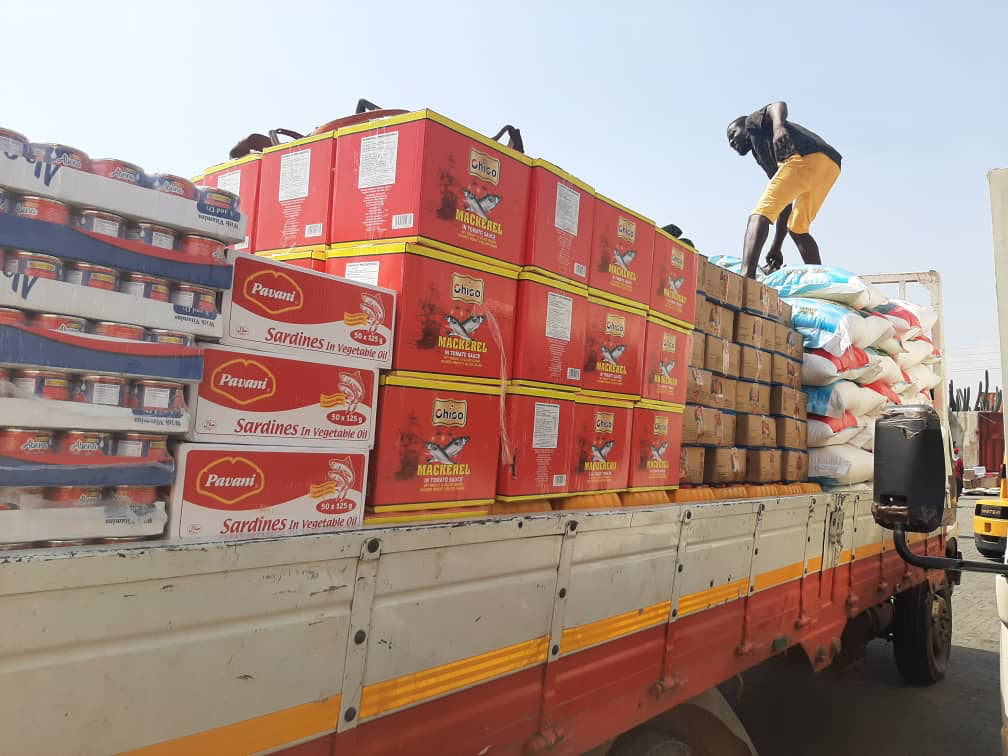
The NFSR entails mopping up excess grains from specific parts of the country where a glut has been reported.
Last year, Mr Abradu-Otoo spearheaded a series of institutional reforms, including the setting up of internal audit and entity tender committees to tighten oversight and ensure the company's risk management, control, and governance processes are effective.
He commended staff for their dedication and urged them to brace themselves for what he termed “greater works” ahead.
Latest Stories
-
Photos: Mahama swears in Emelia Afi Agbenyo, Joseph Kwaku Asamoah as EC Deputy Commissioners
1 minute -
Centre for CSR, West Africa partners with Climate x Culture Summit to champion corporate sustainability at Google AI Centre
7 minutes -
Petrosol donates medical equipment to Bolgatanga Hospital
8 minutes -
Zongo Health Campaign screens over 110 Mamobi residents
22 minutes -
Cybercriminals using AI tools to carry out operations – Cyber Security Authority
29 minutes -
Ghana must invest more in mental health and healthier workplaces – Nurse advises
29 minutes -
NAPG Summit equips Administrative Professionals for strategic impact and the AI-driven workplace
38 minutes -
NHIA urges amendment of Health Insurance Act to accommodate free primary healthcare
41 minutes -
Ghana is tackling cybercrime head-on, not becoming a hub for it – CSA
43 minutes -
We’ll deliver without fear or favour – New EC Deputy Chairpersons assure Mahama
44 minutes -
Six Ukrainian energy sites hit by Russia since Trump announced ceasefire, Zelensky says
1 hour -
Government directs GTEC to prepare public universities for weekend reopening as it intensifies efforts to end GAUA strike
1 hour -
Multimedia Group’s Raymond Nii Doodo Larbie called to the Ghana Bar, seeks to combine HR practice with law
1 hour -
Credible elections are the cornerstone of democracy – New Deputy EC Chairperson
1 hour -
Mahama charges new EC deputies to put national interest above political loyalties
1 hour