

Audio By Carbonatix
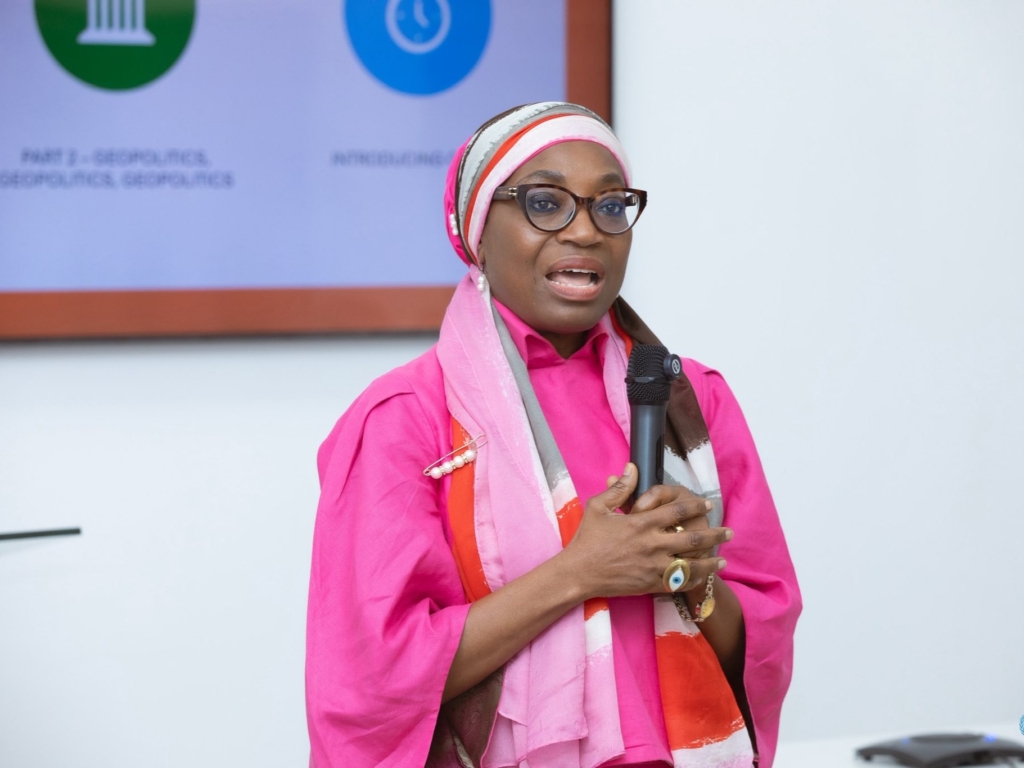
Director of the United Nations University Institute for Natural Resources in Africa (UNU-INRA), Professor Fatima Denton, is calling for the development of resilient systems to support Africa’s transition to clean energy, particularly within the agricultural sector.
According to her, without robust institutional and policy support, many promising clean energy solutions risk failing to achieve long-term impact.
Speaking at the closing workshop of the Innovate for Clean Agricultural Technologies project, Professor Denton stressed the need to build strong coping mechanisms to sustain emerging innovations and technologies aimed at accelerating the shift to cleaner energy sources.
“Climate change and some of the devastation we are seeing in terms of land systems are affecting Africa more than any other continent, so we need to have resilience so that people can have coping mechanisms, buffers and incentives to support them, and this project has been about creating the technologies required and also building the resilience that is needed so that women entrepreneurs and farmers can cope,” she mentioned.
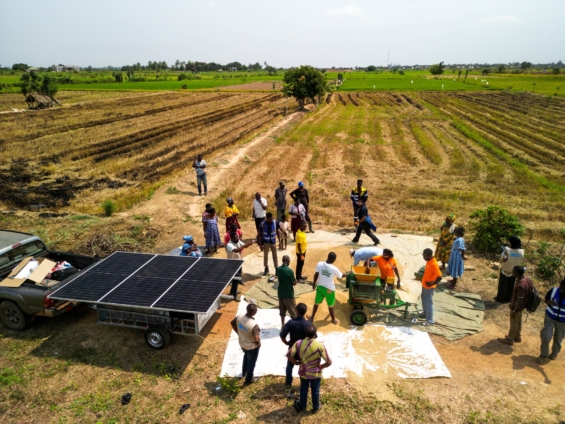
The Innovate for Clean Agricultural Technologies project, implemented by UNU-INRA, focuses on promoting the adoption and diffusion of affordable and clean energy technologies to enhance agricultural productivity.
The initiative demonstrates the potential of clean agritech innovations to transform farming practices, improve efficiency, and strengthen rural livelihoods across the sub-region.
Professor Denton noted that strengthening systems to support clean energy adoption is critical, particularly in rural communities where access to reliable and sustainable energy remains limited.
She emphasised that clean energy solutions must be embedded within broader development frameworks to ensure their scalability and sustainability.
Program Coordinator at ENDA Energie, Jean Pascal Correa, explained that the project has been particularly impactful for women in agriculture, helping them overcome barriers to increased production through the integration of clean energy into their processing and farming activities.
As part of the project, selected innovators received a total of 37,000 dollars in seed funding to scale up their clean agritech solutions.
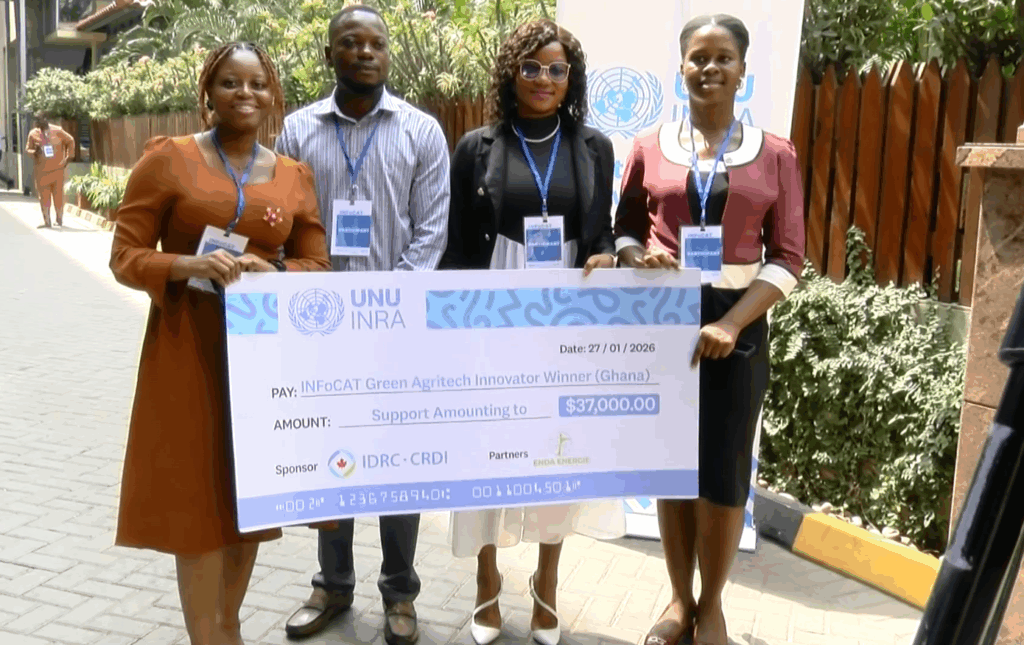
The Innovate for Clean Agricultural Technologies project was implemented in selected rural communities in Ghana, Côte d’Ivoire, and Senegal, contributing to efforts to promote sustainable agriculture and accelerate the transition to clean energy across West Africa.
Latest Stories
-
Investigation launched after male body found in County Cork
59 seconds -
We have been scammed by NDC, government is only doing PR – Abanga Fuseini
1 minute -
Tamale Teaching Hospital records 44 new breast cancer cases in six months
3 minutes -
GES declares October 30 CPD day for private school teachers; learners to observe holiday
4 minutes -
South Korea to support Ghana’s forts and castles restoration with $4.5m over five years
5 minutes -
Ashanti Region to get second Passport Application Centre by 2027
9 minutes -
School headscarf ban sparks rare protests in Azerbaijan and row with Turkey
13 minutes -
Ghana explores underwater sightseeing and shipwreck tourism
14 minutes -
Association of Women Lawyers calls for national sexual offenders register to protect school children
15 minutes -
Soaring commodity prices influenced our 2026 revised growth forecast of 5.7 % for Ghana – IMF
18 minutes -
Government urged to recruit more speech therapists to support children with language disorders
20 minutes -
Chef Abbys: Feeding 50,000 people, putting food security on Ghana’s agenda
48 minutes -
Ho set to host Republic Bank–JoyNews Habitat Fair as multiple firms prepare to showcase housing solutions
56 minutes -
NPP demands public inquiry into alleged $600,000 World Cup visa fraud, wants Sports Minister, GTA CEO summoned
1 hour -
I want my brand to be bigger than just music – Yaw Wazinga
1 hour