

Audio By Carbonatix
Nearly 95 percent of family owned businesses worldwide do not survive beyond the third generation, according to the International Finance Corporation, highlighting persistent governance and succession challenges confronting such enterprises.
The statistic has renewed calls for stronger governance structures and deliberate succession planning to safeguard long term sustainability. Many family businesses struggle with leadership transition, governance gaps, unmanaged growth risks and maintaining family cohesion, factors that often undermine their continuity and legacy.
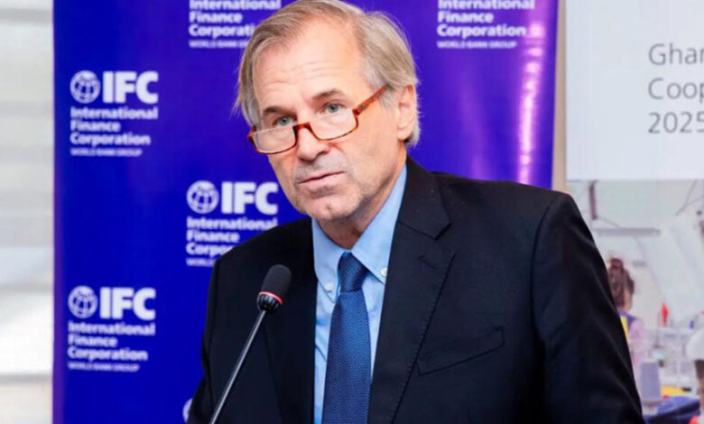
Speaking on the sidelines of the 3rd IFC Family Governance Workshop, the Senior Country Manager for Ghana and Liberia, Kyle Kelhofer, stressed the need for a strategic re-evaluation of governance systems within family owned enterprises.
“Family owned businesses are the engine of business and the engine of growth in most markets around the world,” he said. “Whether you're working with the first or second generation, or even the fourth, fifth and in some cases like Japan, the twentieth generation, governance is fundamental to their sustainability.”
He noted that the private sector accounts for about 90 percent of job creation globally, making strong governance in family owned businesses essential to sustaining employment and private sector development.
“Ensuring solid governance in family owned businesses helps sustain job creation and private sector development in markets around the world, including here in Ghana,” he added.
Family owned enterprises play a critical role in economic growth, particularly in emerging markets where they dominate the private sector landscape. However, experts say that without structured leadership transition frameworks and clearly defined governance systems, many of these businesses risk collapse within a few generations.
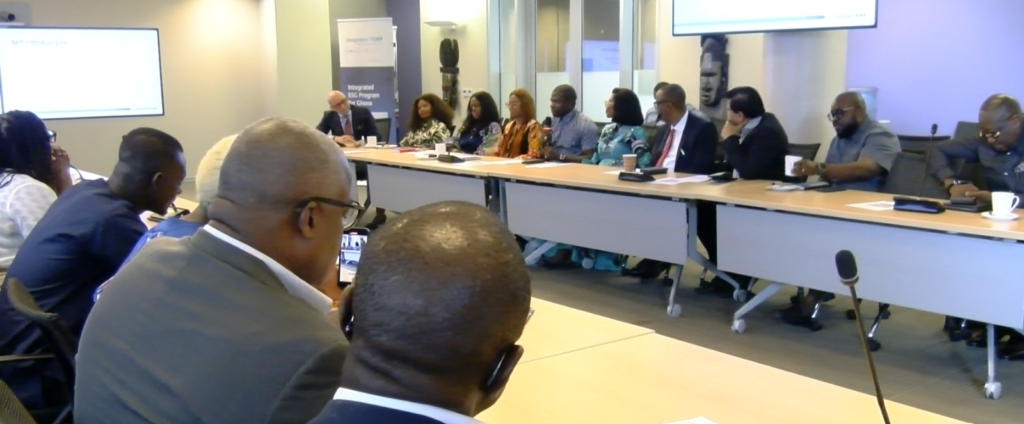
The IFC Family Business Governance Workshop was held under the theme, “Passing the Baton, Preserving Purpose: Managing Generational Transitions,” and focused on equipping family businesses with the tools needed to navigate succession and strengthen institutional structures.
The workshop forms part of IFC’s broader efforts to support sustainable private sector growth and enhance access to finance for domestic enterprises.
Latest Stories
-
How a $125m plant meant to fix Teshie-Nungua’s water crisis became a $235m judgment debt
37 seconds -
NPP calls for parliamentary inquiry into cocaine trafficking concerns
1 minute -
Appiatse redevelopment enters final phase with 69 new housing units
2 minutes -
Ahafo Ano South West DCE was tipped to win parliamentary for NDC seat in 2028 – Ashanti Region NDC Chairman
8 minutes -
UniMAC Dean urges freshers to build strong personal brands, networks
11 minutes -
Meet Larry Prince: Maamobi-born artiste turning street experiences into music
12 minutes -
Career opportunity: Senior Geologist sought for key mining role
13 minutes -
Africa Nations Volleyball Championship: Ghana’s Black Spikers suffer narrow defeat to Cameroon in quarterfinals
14 minutes -
Jordan Ayew ruled out of Ghana’s AFCON qualifiers
26 minutes -
10% Sanitation Fund under DACF not enough– Parliamentary Committee
41 minutes -
From wooden stick to national gold: Wa West Girl’s remarkable javelin journey
44 minutes -
My Bestie and I: How Gen Z partners are redefining courtship
46 minutes -
Central Regional Culture Coordinator urges students to balance free expression with cultural values
53 minutes -
BSIFF 2026 brings four days of African cinema to Kumasi
55 minutes -
Krachi East Assembly hails Zoomlion’s IRECOP intervention at Yabram
57 minutes