

Audio By Carbonatix
Healthcare leaders and nursing professionals have called for an urgent improvement of welfare systems to address severe burnout and poor working conditions facing frontline health workers in the Upper West Region.
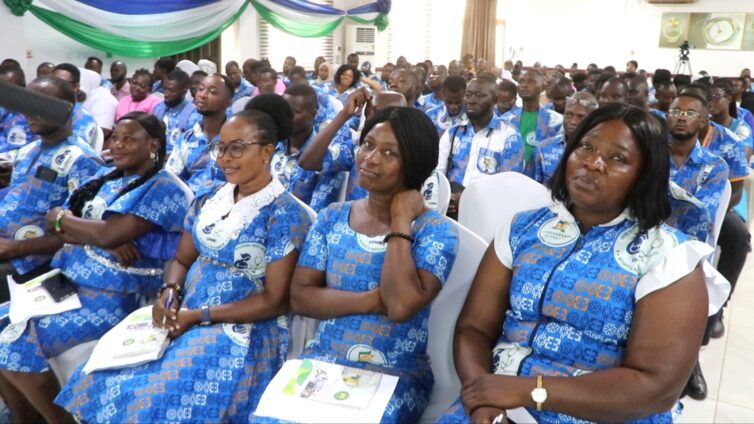
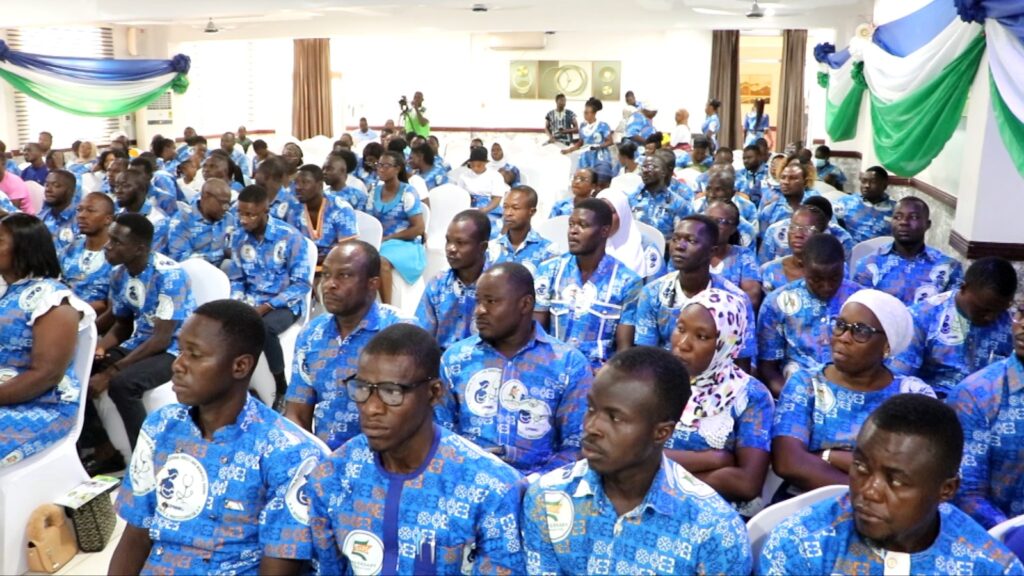
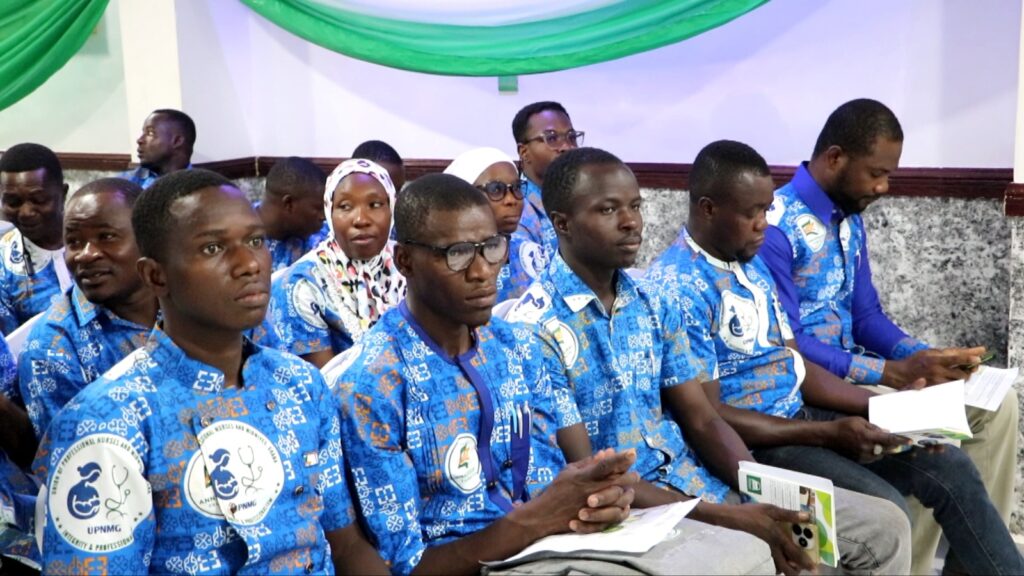
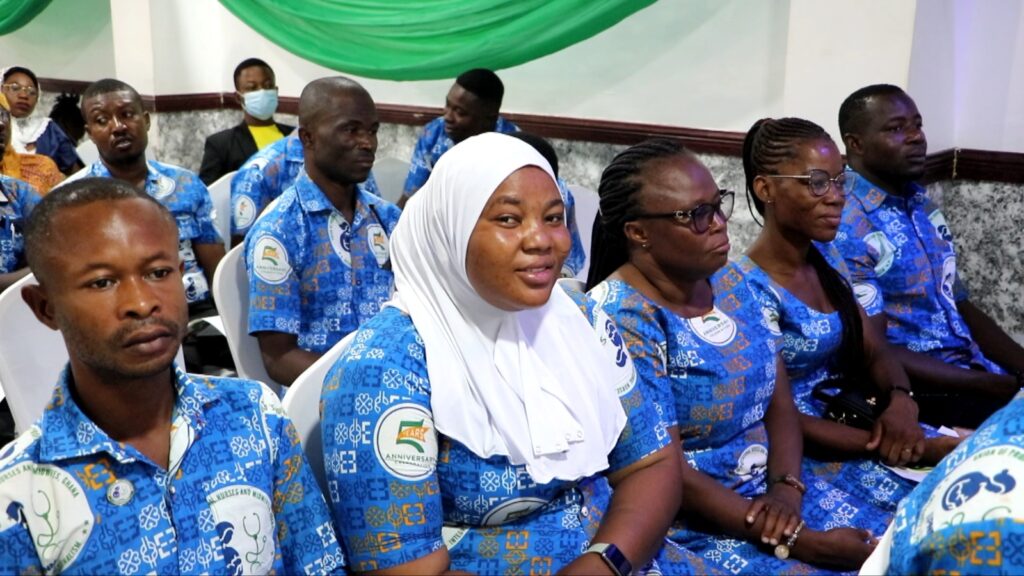
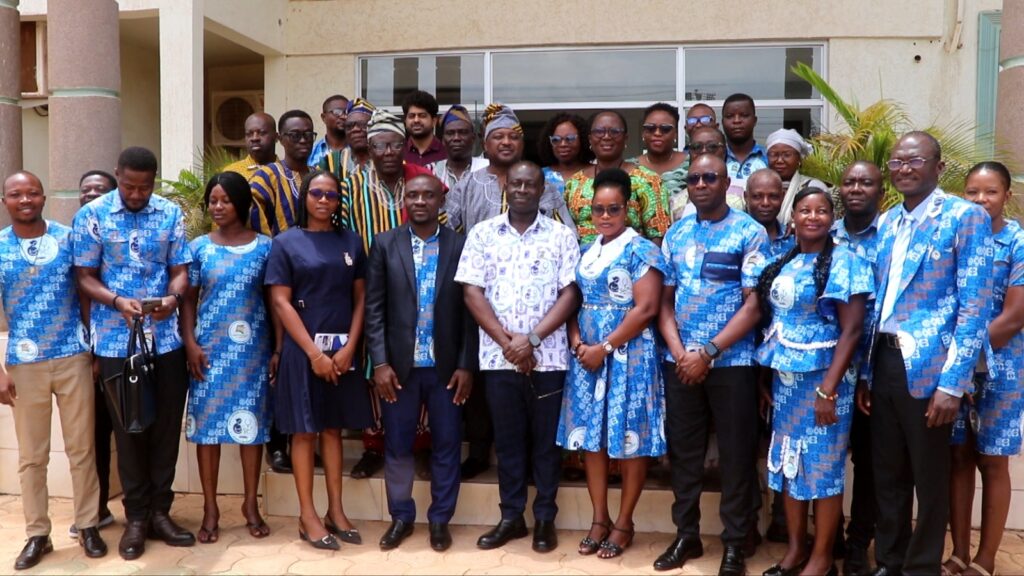
At the maiden Nurses and Midwives Durbar held in Wa, stakeholders gathered under the theme, “Who cares for the caregiver: the plight of the Ghanaian Nurse or Midwife,” to confront the stark reality that the region's health workers are severely under-resourced and emotionally drained.
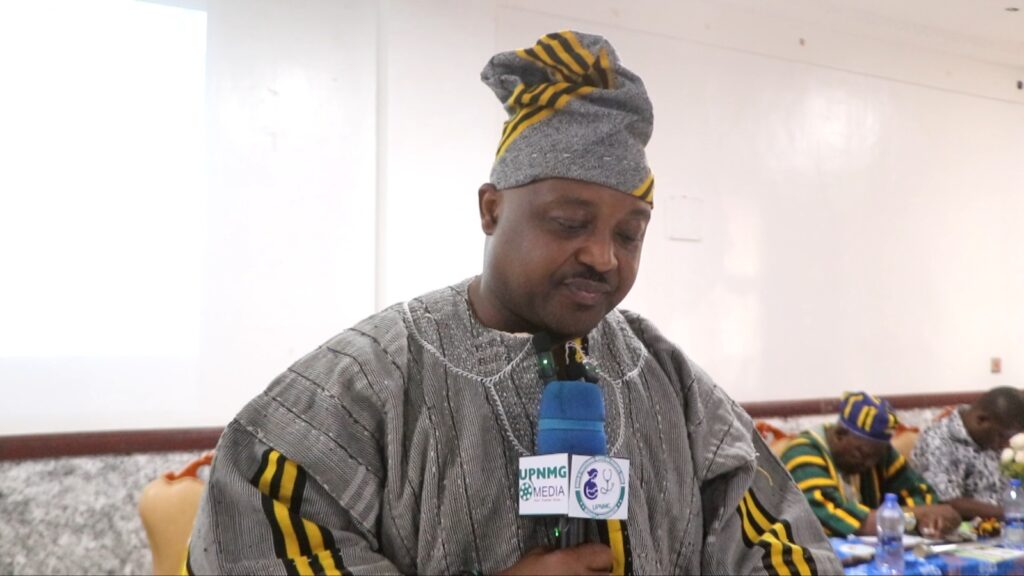
The Upper West Regional Minister, Charles Lwanga Puozuing, acknowledged that the severe challenges facing caregivers are a matter of national responsibility.
He recognised nurses and midwives as the backbone of the healthcare delivery system, serving as the critical first point of contact from urban centers to the most remote communities.
"Yet, even as you give so much of yourselves, it is evident that many of you continue to work under conditions that do not fully reflect the value of your service," Mr Puozuing noted, citing long hours, emotional strain, and severe resource constraints.
To address these systemic issues, the Regional Minister reaffirmed the National Democratic Congress (NDC) government's 2024 manifesto commitments to significantly improve conditions of service.
He outlined actionable interventions focusing on enhanced remuneration, expanded opportunities for continuous professional development, and improved workplace infrastructure.
However, Mr Puozuing balanced his assurances with a strong demand for ethical conduct, noting that unprofessional behaviour severely undermines patient trust.
He urged practitioners to remember that their calling demands sacrifice and integrity.
"As we advocate for better conditions and greater recognition, we must also hold ourselves to the highest standards of professionalism and accountability," he stated.
Echoing the urgent need for institutional support, Deputy Director of Ghana Health Services, Abarry Tahiru Mohammed, representing the Regional Director of Health Services, Dr. Josephat Ana‑Imwine Nyuzaghl, highlighted the glaring irony that nurses and midwives do not receive free healthcare when they fall sick in the very facilities where they dedicate their lives.
He warned that this chronic lack of support remains a major driving factor behind the mass exodus of Ghanaian nurses seeking better opportunities abroad.
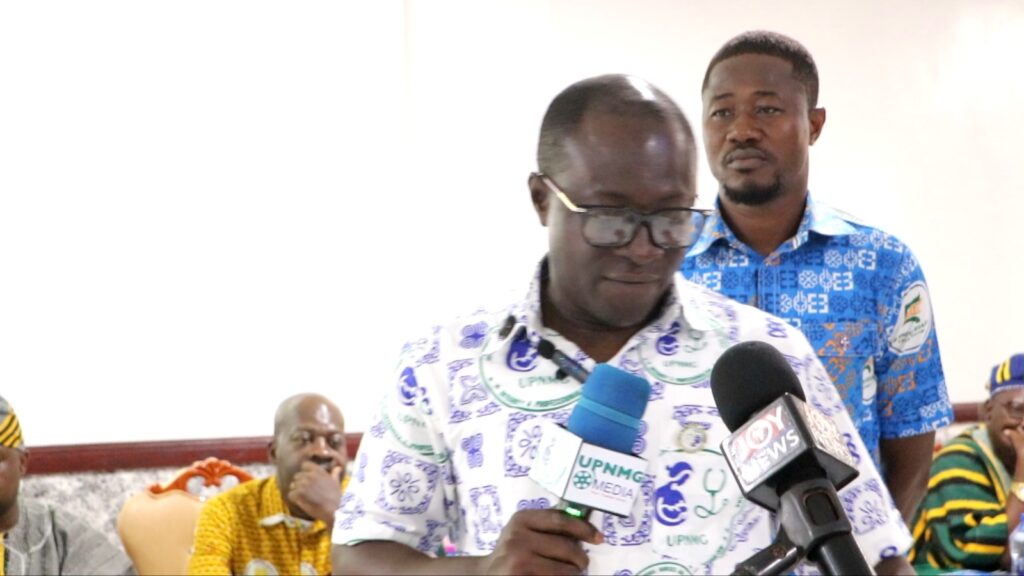
National President of the Union of Professional Nurses and Midwives, Ghana (UPNMG), Maxwell Odro Yeboah, lamented the intense pressure faced by staff, emphasising that caregivers are human beings susceptible to exhaustion and illness.
He demanded an immediate end to workplace bullying and delayed promotions, while highlighting UPNMG’s proactive interventions, which include establishing insurance policies, accessible loan schemes, and the creation of an advanced medical center to support its members.
On her part, the Acting Chief Nursing and Midwifery Officer, Geadys Cheyuo, laid bare the hidden psychological burden of the profession.
She revealed that nurses frequently suffer silent trauma from witnessing patients pass away without any systemic counselling services provided to help them cope.
Madam Cheyuo urged the government to institutionalise staff welfare and strongly encouraged nurses to utilise their annual leave to prevent total burnout.
Senior Midwife Officer from the Nursing and Midwifery Council (NMC), Portia Yagason, reminded practitioners of their duty to remain "fit to practice."
She stressed the vital importance of maintaining public trust, urging nurses to utilise the NMC's online portals for seamless PIN renewals and to promptly report any workplace harassment through official grievance channels.
The Acting Regional President of UPNMG, Kenneth Naaeder, emphasised that the cries of caregivers from the wards, clinics, and rural health posts can no longer be ignored.
The durbar concluded with a unified consensus: while healthcare professionals remain fully committed to saving lives, the survival of Ghana's healthcare system now heavily depends on the government and institutions finally stepping up to care for the caregiver.
Latest Stories
-
Africa World Airlines unveils first Embraer E190 as part of 10-aircraft fleet expansion
1 hour -
Civilian hospitalised after alleged machete attack by prison officers, inmates
1 hour -
Toobu rejects calls to recall Parliament over 3.9-tonne cocaine shipment
2 hours -
Residents in 5 Northern Regions warned of approaching rainstorm
2 hours -
Constituency Games still a work in progress – Sports Minister
2 hours -
Team Ghana set for historic Karting Africa Showrun in Angola
2 hours -
52-year-old South African arrested with suspected heroin after arriving from Accra
3 hours -
Shatta Wale challenges UPSA students to build entrepreneurial mindsets
3 hours -
Finance Minister advises African governments to strengthen regional tax cooperation
5 hours -
NPP accuses NDC of master-minding demolition of Ho regional office fence
5 hours -
Ghana plans stronger regional power trade with Nigeria
5 hours -
GRA Commissioner-General calls for stronger tax cooperation to boost regional revenue mobilisation
5 hours -
NACOC needs more personnel to tackle drug trafficking – Toobu
5 hours -
Railway workers resist KMA eviction order, demand consultation
5 hours -
Legacy Leadership Africa Institute to host boardroom women’s leadership programme
5 hours