

Audio By Carbonatix
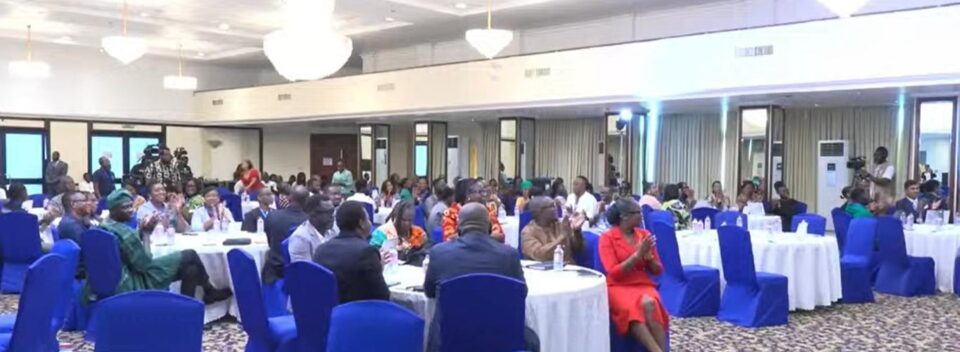
A high-level gathering of academics, media practitioners, policymakers and technology leaders has convened in Accra to interrogate the future of journalism in Ghana, as the industry navigates an increasingly digital-first landscape.
The one-day Media Convergence Conference, organised by the Africa Media Bureau, is being held on Wednesday, 29th April 2026, under the theme “The Future of Media Practice, Education and Policy in Ghana.”
The event seeks to provide a strategic platform for dialogue and collaboration at a time when traditional media models are under significant strain.
Participants are engaged in critical discussions on the evolving interplay between traditional media, radio, television and print, and emerging digital technologies that are rapidly redefining how content is produced, distributed and monetised.
According to organisers, the conference is not merely diagnostic, but solution-oriented, designed to chart a forward-looking pathway for Ghana’s media ecosystem.
Central to the deliberations is the recognition that audience behaviour has shifted dramatically, compelling legacy media institutions to rethink their operational models or risk obsolescence.
The forum brings together a cross-section of stakeholders, including lecturers and deans from communication schools, newsroom leaders, regulators, digital entrepreneurs and final-year students preparing to enter the profession.
A dominant thread running through the conference is the widening gap between media education and industry practice. Speakers are interrogated whether existing academic curricula adequately equip graduates with the practical, technological and ethical competencies required in a converged media environment.
There is a strong emphasis on fostering deeper collaboration between universities and media organisations, particularly through internships, joint research initiatives and curriculum reform. This, stakeholders argued, is essential to nurturing a workforce that is both industry-ready and innovation-driven.
Among the notable speakers is Professor Abena Animwaa Yeboah-Banin of the University of Ghana, who highlighted the importance of aligning scholarly inquiry with real-world media dynamics.
Her work spans brand communication, media development and gender representation, offering a multidimensional perspective on the transformation underway.
The conference is also examined how technological convergence is reshaping newsroom culture. The integration of digital tools, data analytics and multimedia storytelling is altering editorial workflows, requiring journalists to adopt more agile, multi-skilled approaches.
Equally pressing is the question of sustainability. With traditional advertising revenues declining, media organisations are being urged to explore diversified revenue streams, including digital subscriptions, branded content and platform partnerships.
Organisers are expected to produce a communiqué outlining key recommendations on media convergence and education in Ghana. These will include proposals for policy reform, curriculum updates and ethical frameworks suited to the digital age.
The anticipated outcomes also include a shared understanding of Ghana’s media convergence reality and the establishment of stronger institutional partnerships to drive innovation.
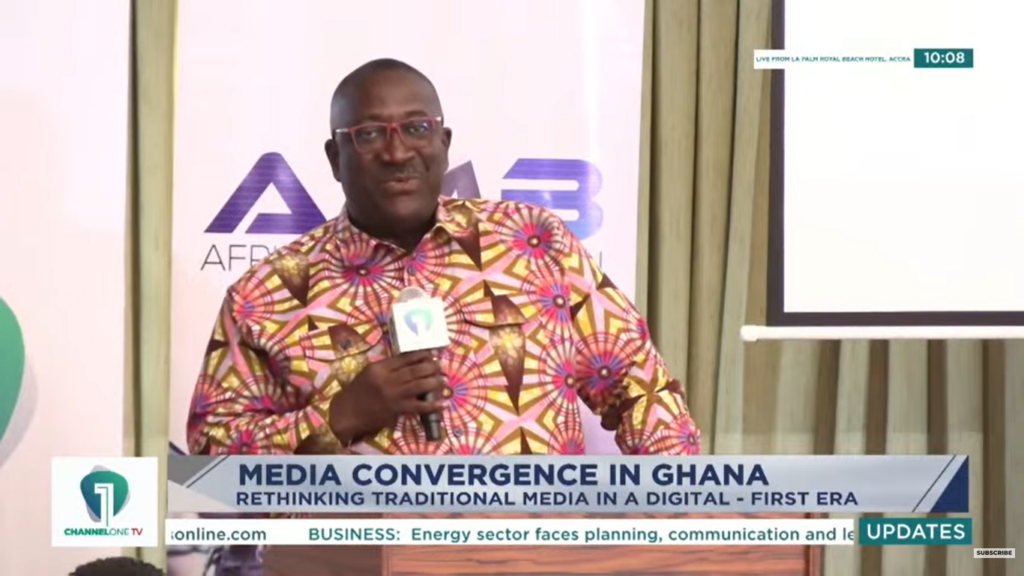
Delivering his address on the theme at the conference, Managing Director (CEO) of Channel One TV and Citi FM, Samuel Attah-Mensah said "Technology has transformed how stories are told, how audiences engage and how media businesses survive and thrive. This conference is not just about examining the change , it is about shaping the future, it is about bringing together the academia and industry to ask important questions."
"Are we preparing for the next generation of media professionals to embrace the realities of tomorrow? are our newsrooms adapting fast enough? and how do we ensure that our ethics, credibility and public trust remain the center of innovation," he added.
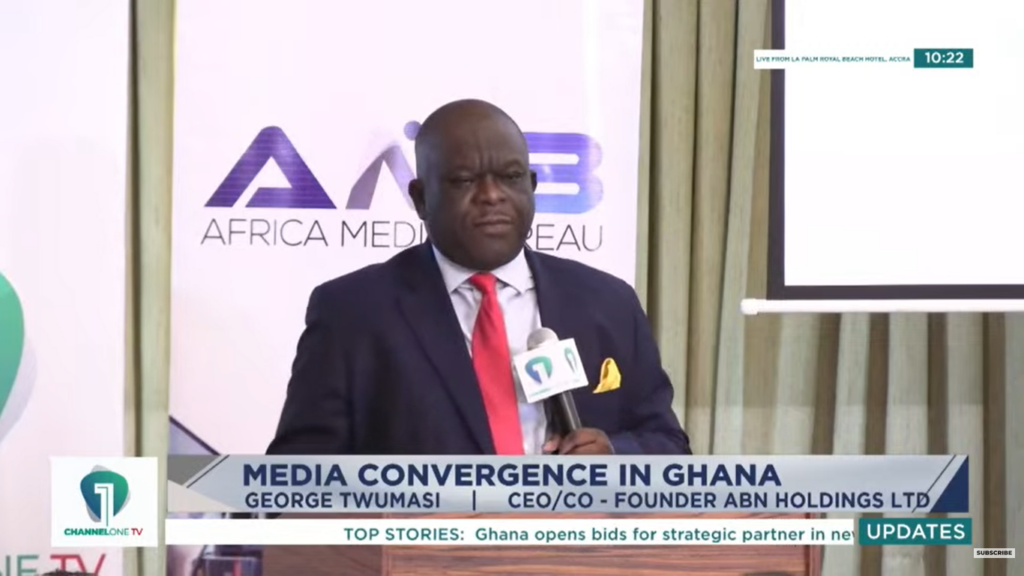
In his keynote address, George Twumasi, CEO, ABN Holdings/Co-founder, Africa Public Interest Media Initiative, he addressed the issues of declining audiences versus digital growth, platform dominance and newsroom adaptation and what the traditional media must learn and unlearn.
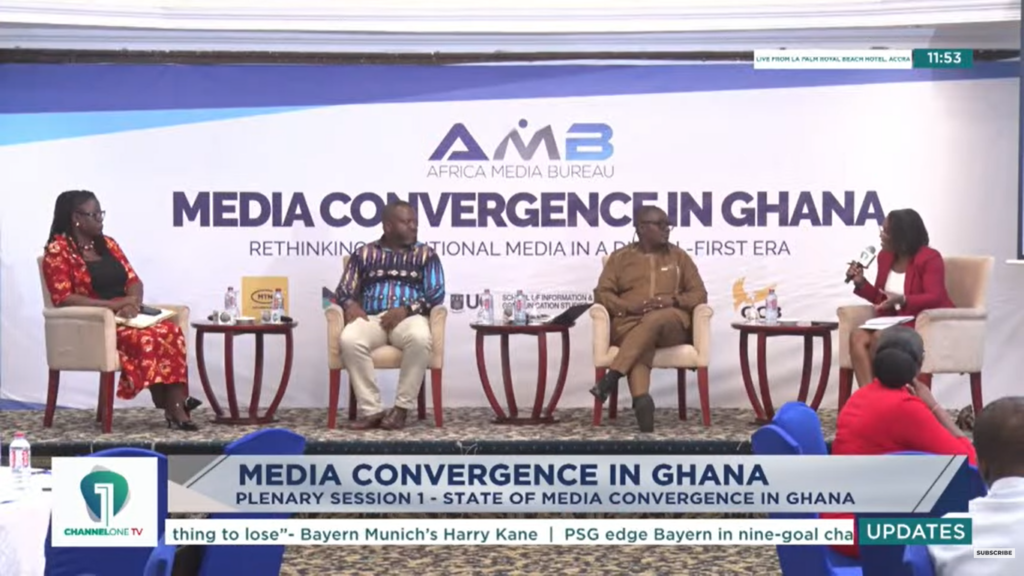
Panel discussions were also held on from Radio and Print to Multimedia newsroom: Ghana's convergence journey, metrics, monitasation and sustainability in converged media market and media education in a converged world.
Latest Stories
-
Today’s Front pages: Tuesday, September 1, 2026
4 minutes -
More work ahead despite significant progress in Africa’s food systems – AGRA report
19 minutes -
Young Ghanaian entrepreneurs pursue investment opportunities at Africa Food Systems Forum in Rwanda
24 minutes -
Ex-gang boss found guilty in 1996 murder of rapper Tupac Shakur
33 minutes -
Ghana between resources and rival powers: The politics of strategic choice
49 minutes -
I’ll do everything possible to help Bawumia win power in 2028 – Boakye Agyarko
56 minutes -
Zanetor pledges to turn scientific research into jobs, industrial growth
2 hours -
Trade Minister inspects site for Cape Coast garment factory
2 hours -
$270m poultry investment to create 12,000 jobs under 24-Hour Economy
2 hours -
My petition against Special Prosecutor put on ice after political intervention – Kpebu
2 hours -
‘Don’t fail our teachers’ – Parents demand full implementation of strike deal
2 hours -
Ghana Baptist Convention ordains 92 ministers, urged to live above reproach
2 hours -
SIGA’s GH¢19.8bn SOE profit claim misleading – Bright Simons
2 hours -
Kpebu vows to publish full petition if case against OSP is thrown out
2 hours -
Central Regional Minister inspects projects in Assin South
2 hours