

Audio By Carbonatix
Instagram users will no longer be able to send ultra‑private direct messages, as the feature is switched off globally.
The removal of end‑to‑end encryption (E2EE) on messages amounts to a major U‑turn by parent company Meta, which previously championed the tech as the gold standard for user privacy.
E2EE is the most secure form of online messaging - allowing only the sender and recipient to view messages - but has long been opposed by campaigners who say it allows extreme content to be spread online without the authorities being able to intervene.
That means Meta's decision has been welcomed by groups including children's charities - but condemned by privacy advocates.
By switching off E2EE, Instagram will now be able to access all the content of direct messages, including images, videos and voice notes.
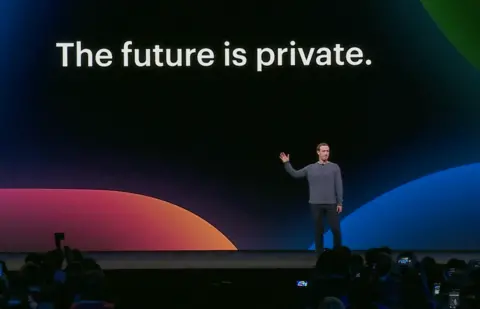
In 2019, Meta pledged to introduce the technology across messaging on Facebook and Instagram, saying "the future is private".
The company completed the rollout on Facebook Messenger in 2023 and later made the feature optional on Instagram with plans to make it default.
But, after seven years, Meta has decided not to proceed with the wider deployment to Instagram, which will now only offer standard encryption.
Standard encryption means an internet service provider can access private material if needed. It is the common system in most major online services such as Gmail.
The decision has been welcomed by child protection groups, including the NSPCC, which has long warned the technology could put children at risk.
"We are really pleased," said Rani Govender from the charity, adding E2EE "can allow perpetrators to evade detection, enabling the grooming and abuse of children to go unseen."
Privacy campaigners, however, say the move represents a step backwards.
Maya Thomas from Big Brother Watch was "disappointed" by the decision and said E2EE was "one of the key ways children can keep their data safe online, so we're concerned that Meta may be caving to government pressure."
Years-long fight
Since 2019, Meta has defended its plans amid criticism, while working through the technical challenge of bringing the technology to Facebook and Instagram.
The company did not publicly announce its decision to abandon plans for the Instagram rollout.
Instead, it quietly updated the app's terms and conditions in March.
"End‑to‑end encrypted messaging on Instagram will no longer be supported after 8 May 2026.
"If you have chats affected by this change, you will see instructions on how to download any media or messages you may wish to keep," it said.
Meta told reporters the decision was taken because too few users were opting in to use the feature.
But commentators say take‑up of optional features is often low, as requiring users to opt in creates extra friction.
Some analysts, including cyber security expert Victoria Baines, professor of IT at Gresham College, believe the decision reflects a shift in Meta's attitude towards privacy.
"Social media platforms monetise our communications — our posts, likes and messages — so they can serve targeted advertising," she said.
"And increasingly, companies like Meta are focusing on training AI models, for which messaging data can be extremely valuable. I think the decision is more complex."
Instagram has previously said direct messages are not used to train AI.
The company declined to comment further on its decision to reverse course on privacy, and Instagram boss Adam Mosseri declined to be interviewed.
Last month, Meta told staff their clicks and activity on work devices would begin to be collected as training data for the company's AI models.
Campaigners such as Big Brother Watch say Meta's decision could influence the wider social media industry.
Until recently, the spread of E2EE had been the clear direction of travel.
- E2EE is the default on Signal, WhatsApp, Facebook Messenger, Apple's iMessage and Google Messages
- Telegram offers it as an option, but not by default
- X, formerly Twitter, offers an similar system for direct messages, though critics say it does not meet industry standards
- Snapchat uses it for direct message photos and videos and has previously said it plans to extend it to text
- Discord plans to make voice and video calls end‑to‑end encrypted by default
However, in March, TikTok told the BBC it had no plans to introduce the technology for direct messages.
Fourteen days later, Instagram updated its terms and conditions to confirm it would not proceed with its rollout.
Commentators including Baines believe these decisions may slow the spread of E2EE, leaving it largely confined to dedicated messaging apps in the future.
Latest Stories
-
AK24 Entertainment makes history with sold-out ‘R2Bees Live in Ohio’ concert
3 minutes -
NPP acting lawlessly by allowing Wontumi to pursue chairmanship – Rashid Tanko
7 minutes -
‘Hungry to win’ – Villa’s Konsa joins Arsenal in £55m deal
19 minutes -
Argentina’s Paredes banned for 10 games
19 minutes -
Republic Bank Ghana and Enterprise Life launch enhanced insurance products for customers
25 minutes -
Patrons explore property, construction solutions as Day 1 of Republic Bank-JoyNews Habitat Fair ends
34 minutes -
NSMQ 2026: Anglican SHS cruise to one-eighth stage as Namong SHTS shine on debut
35 minutes -
Obaahemaa Nana Aframoa Fri
43 minutes -
Oppong Nkrumah challenges Deputy AG’s claim that his court application was based on ‘falsehoods’
53 minutes -
Germany investigates Russia links to weapons cache discovered in woods, reports say
54 minutes -
Two teenagers seriously injured after sword attack at Swedish school
57 minutes -
Prince Harry and six others face privacy case legal bill of up to £34.5m
60 minutes -
Court orders return of No.1 Oxford Street Hotel to Keningston Residential Partners
1 hour -
Ebola outbreak ‘growing faster, wider’ as DRC death toll passes 2,500
1 hour -
QNET supports EOCO in repatriation and handover of 33 Burkinabes rescued during anti-trafficking operation
1 hour